Ukraine Launches More Than 1,000 Drones at Russia in Largest Attack on Moscow
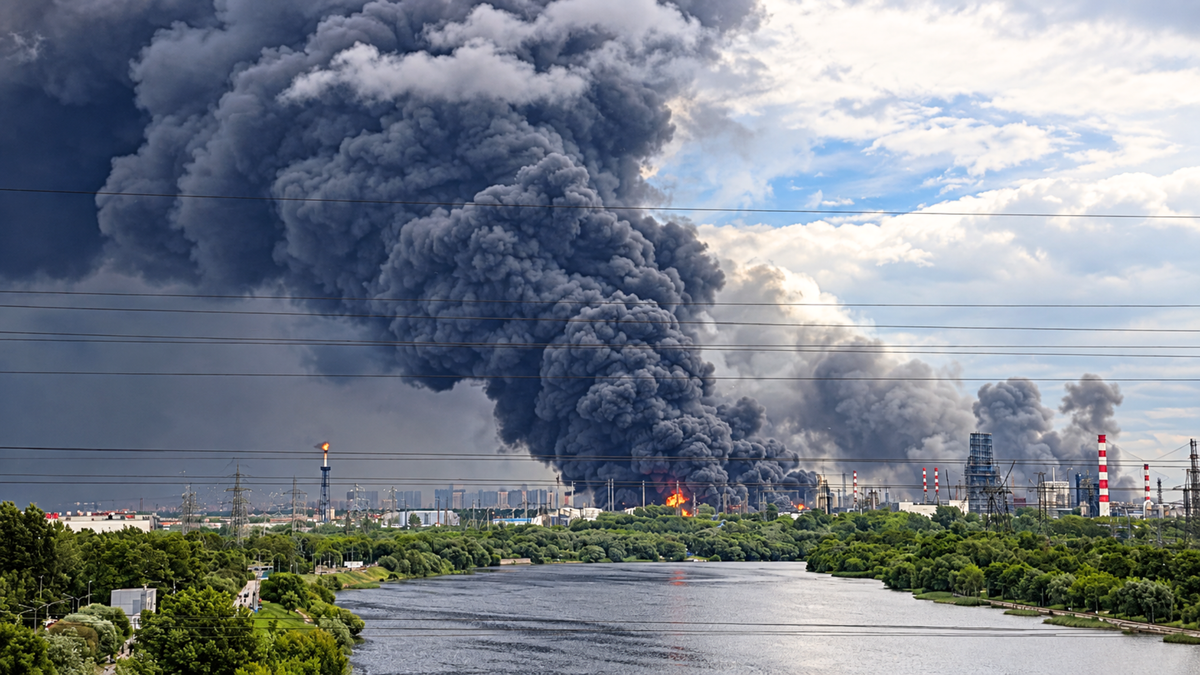
Ukraine launched more than 1,000 drones toward Russian territory overnight, with hundreds aimed at Moscow in what Moscow's mayor described as the largest drone attack ever against the Russian capital. Russia's Defense Ministry said its forces intercepted or destroyed 1,110 Ukrainian drones across Russia, Crimea and the Black Sea.
450 Drones Reportedly Headed Toward Moscow
Moscow Mayor Sergei Sobyanin said Russian air defenses destroyed 450 drones heading toward Moscow. He described the assault as unprecedented for the capital. Russian authorities also reported that drones reached the Moscow Oil Refinery and struck a residential building.
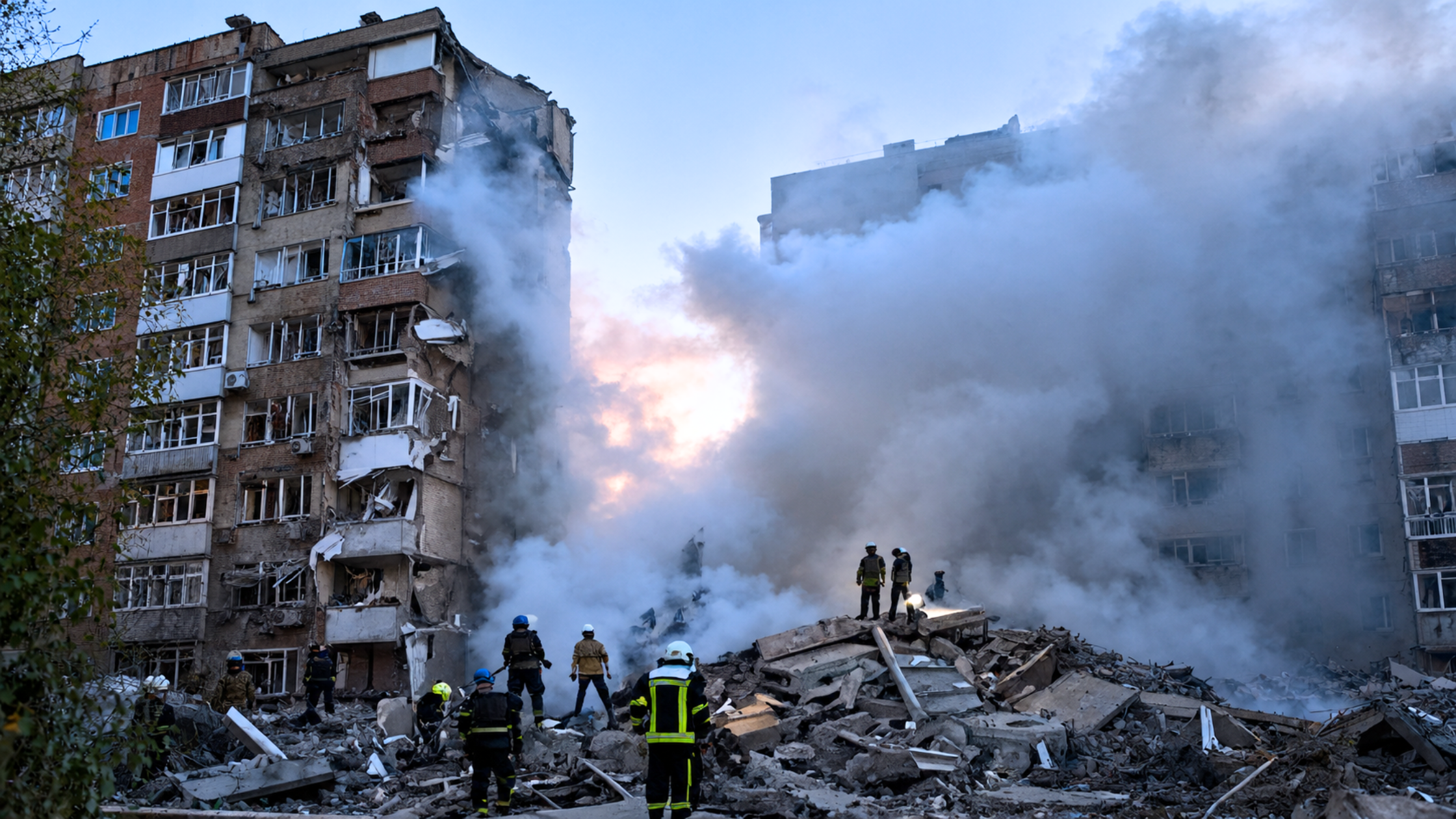
Moscow Oil Refinery Damaged
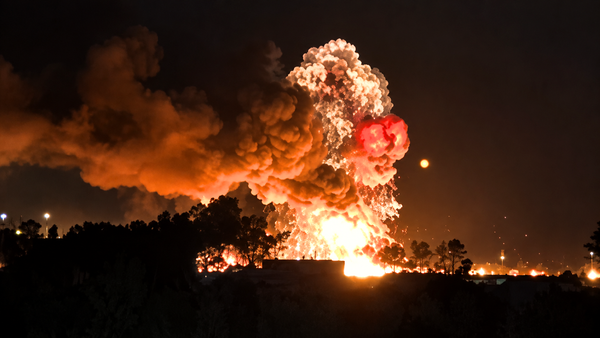
Several drones reportedly reached the grounds of the Moscow Oil Refinery, one of Russia's major refining facilities. Reuters reported damage to part of the refinery, while witnesses in Moscow reported explosions and smoke rising from the site.
Two Killed and 20 Injured
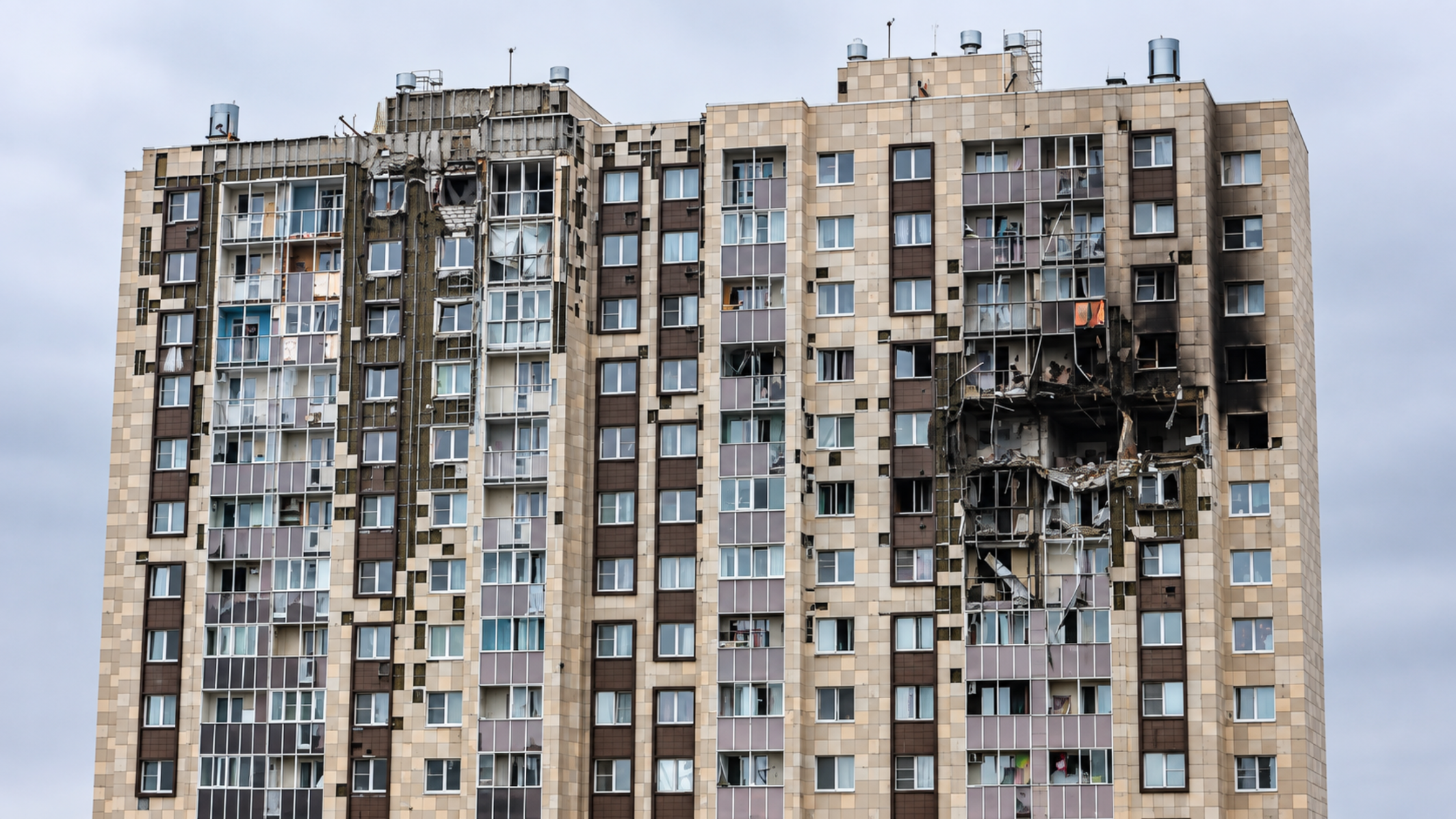
The wider Moscow region suffered civilian casualties. Regional authorities reported two people killed and 20 injured, while hundreds of residents were evacuated from a damaged apartment building.
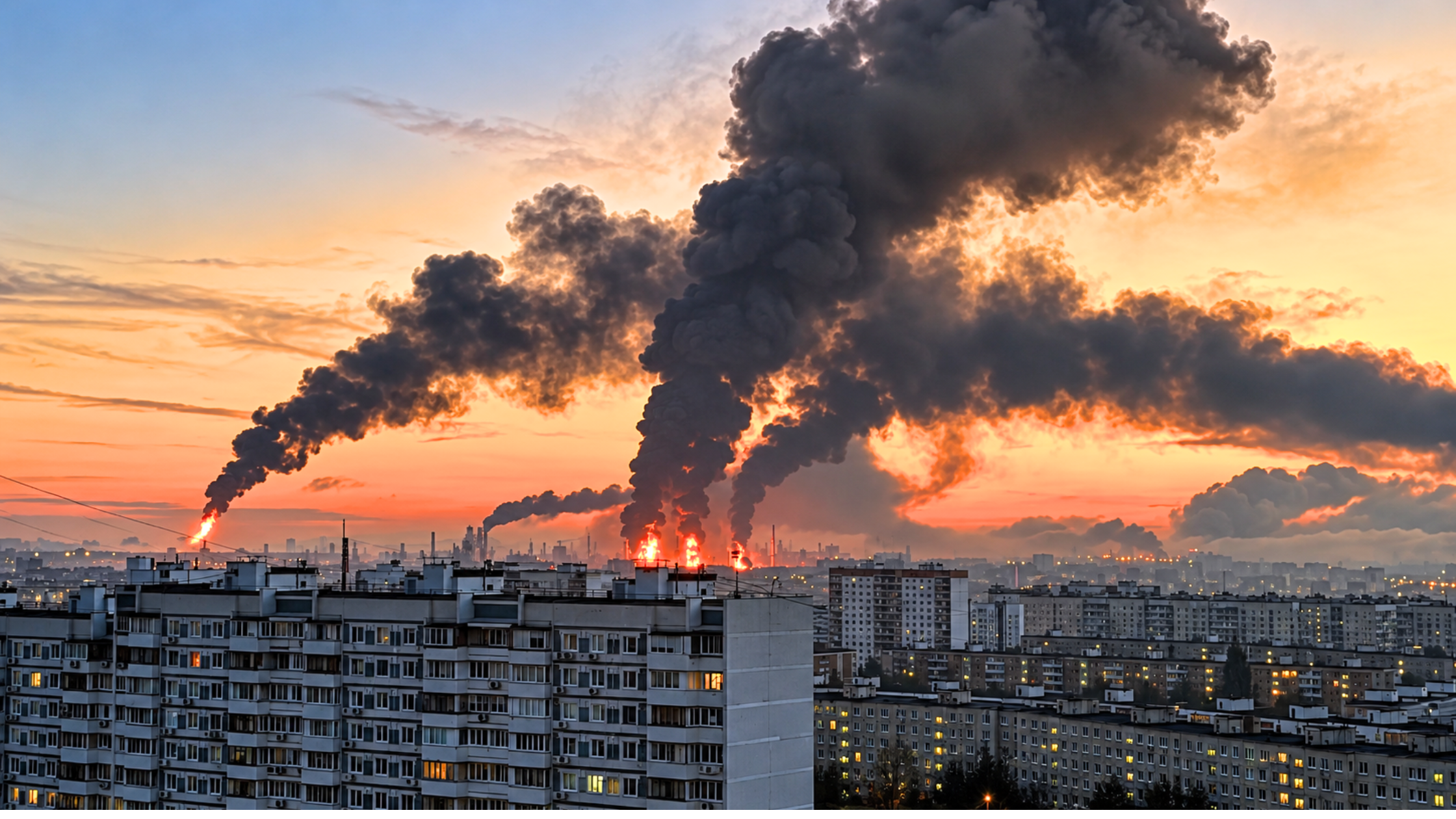
Attack Came During Russia's Parliamentary Election
The attack occurred on the final day of Russia's parliamentary elections. Sobyanin said the assault was intended to disrupt voting, although that attribution was a Russian official's claim and was not independently established.
Ukraine Says Strategic Facilities Were Targeted
Ukrainian President Volodymyr Zelenskyy said Ukrainian forces struck a major Russian oil-industry facility and a logistics facility. He said the attacks were intended to put economic pressure on Russia's ability to sustain its military operations.
A Major Escalation in Long-Range Drone Warfare
The scale of the reported attack highlights the expanding role of long-range drones in the Russia-Ukraine war. Russia and Ukraine have increasingly used unmanned systems to strike targets far behind the front line, including energy, logistics and military infrastructure.
Author: Kevin Macmellon