Pentagon Accelerates New MQ-9 Replacement Amid Iran Combat Losses
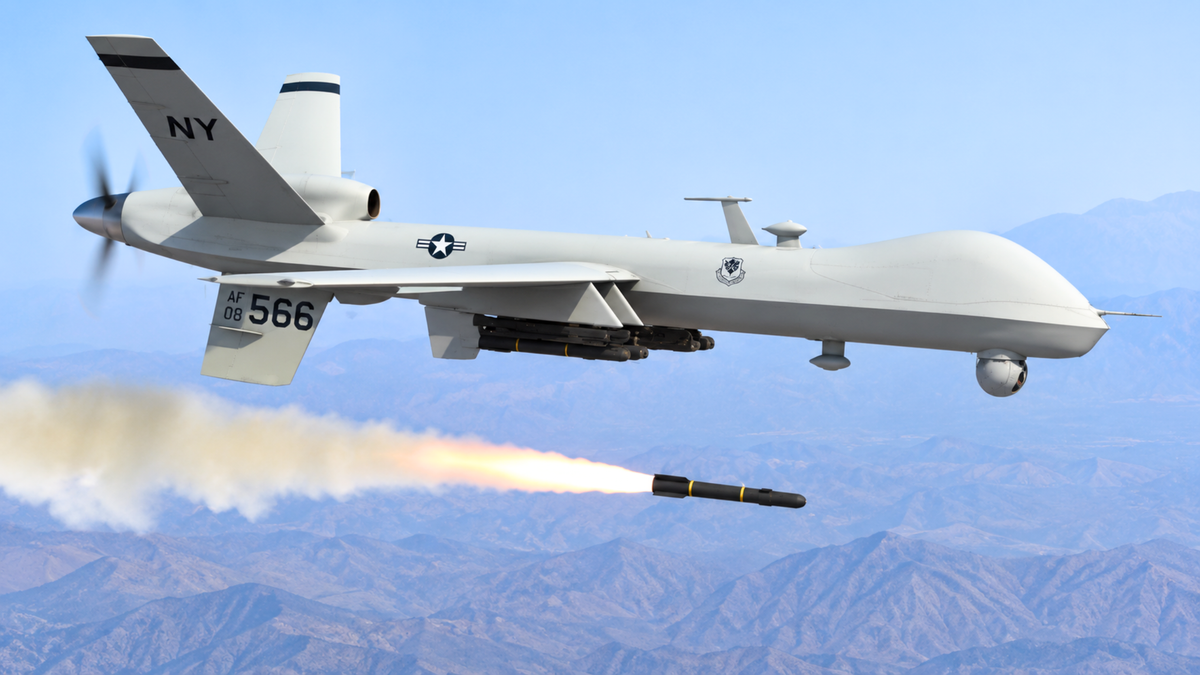
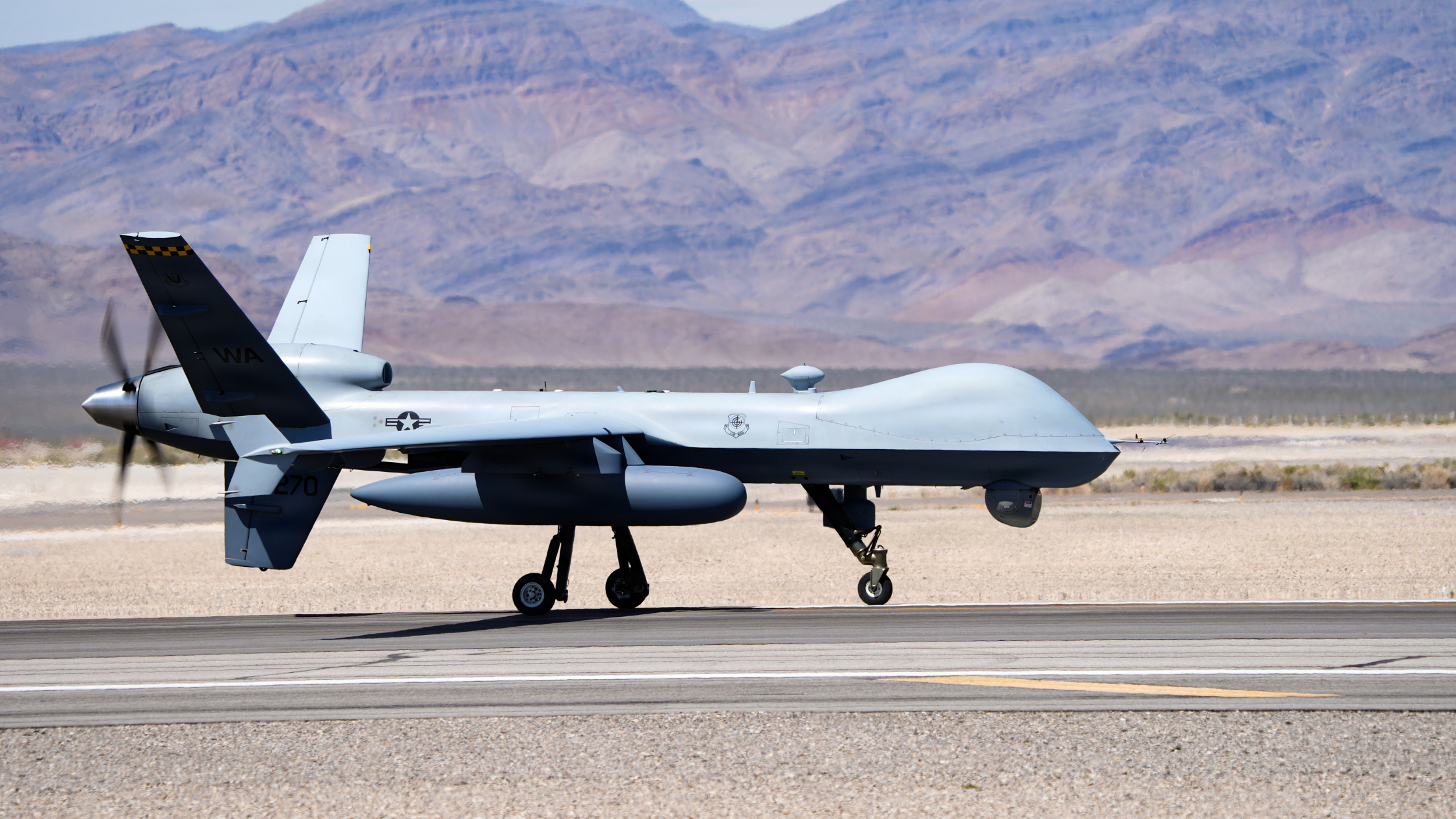
The U.S. Air Force is accelerating plans to replace its MQ-9A Reaper fleet after suffering heavy combat losses during operations against Iran.
Air Force Lt. Gen. Christopher Niemi said the losses have accelerated discussions about the Reaper's successor. The service is now pursuing a new concept called the Massed Modular Aircraft (MMA), designed to be cheaper, easier to produce and more expendable than the MQ-9.
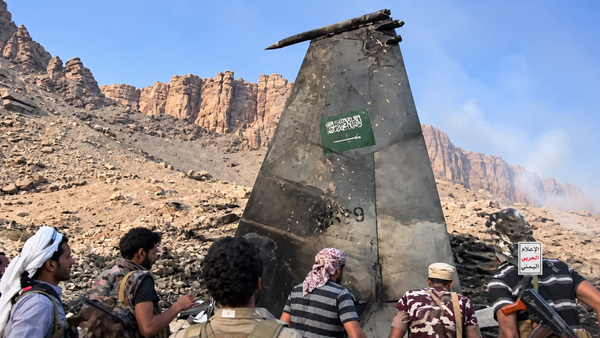
At Least 45 Reapers Reportedly Lost
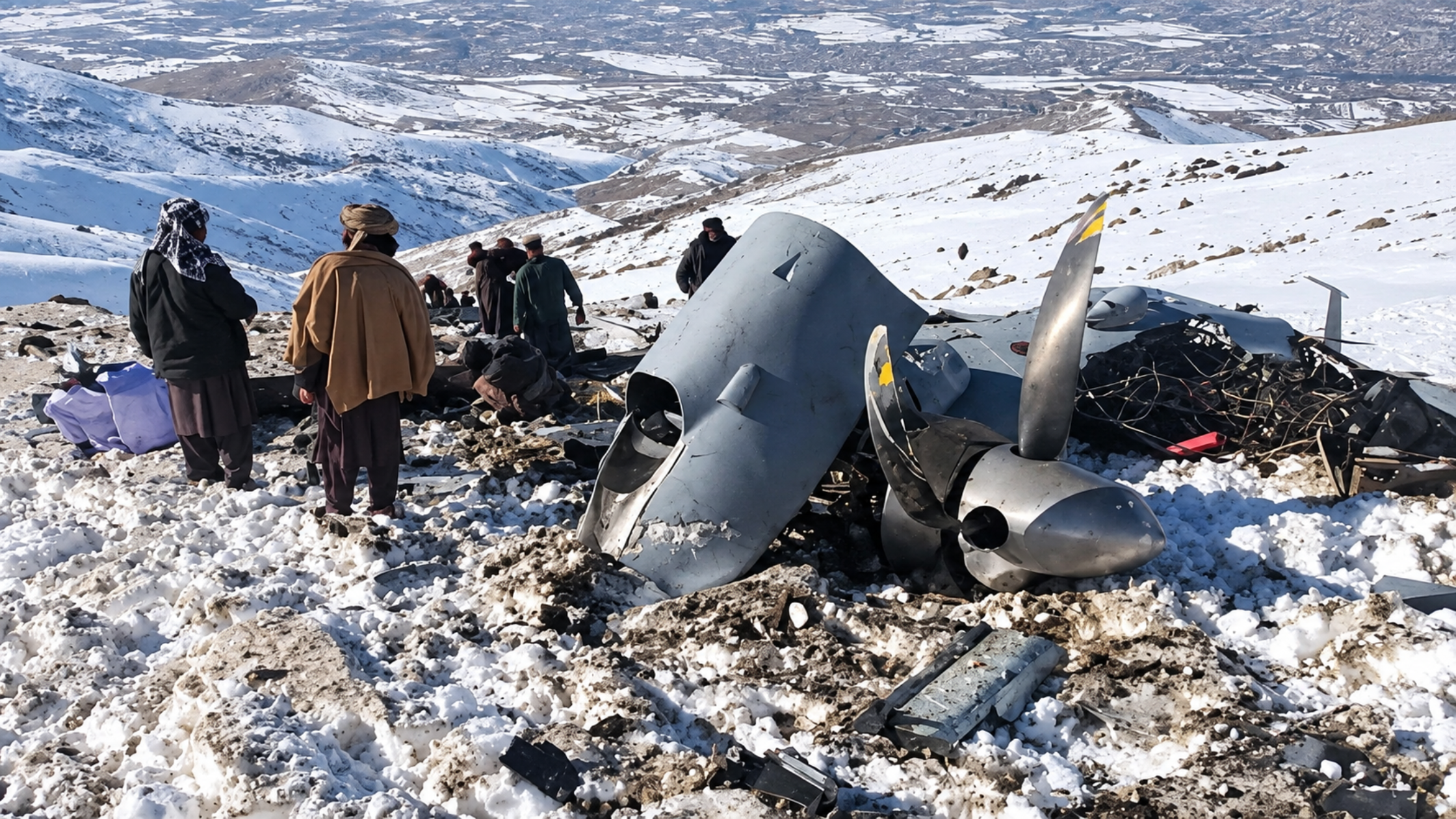
The scale of the losses has become a major factor behind the accelerated program. The Washington Post reported in August that the U.S. military had lost at least 45 MQ-9 Reapers, representing roughly 25% of the fleet, according to three U.S. officials.
Separately, a recent U.S. Lead Inspector General report covering Operation Epic Fury from February through June 2026 put the number of MQ-9 losses at around 30 during that period. Reports indicate additional Reapers were lost after June.
A Cheaper Successor
The Air Force does not simply want another aircraft with the same cost and operating model as the Reaper. Instead, MMA is being developed around the idea that future conflicts could result in substantially higher aircraft attrition.
Niemi said the service wants systems that are easier to produce, cheaper to purchase, and available in larger numbers. The objective is to create an aircraft that can perform many of the missions currently handled by the MQ-9 while accepting a higher level of operational risk.
$10 Million Airframe Target
The Air Force is targeting an approximate $10 million price for the MMA airframe, although that figure does not represent the complete cost of a mission-ready aircraft.
Sensors, communications equipment, weapons, and other mission systems would add to the final price. Air Force officials have specifically cautioned that the $10 million figure refers to the basic airframe rather than the fully missionized system.
Longer Range and Larger Payload
The MMA concept is also being designed around greater range and payload requirements.
A July Defense Innovation Unit solicitation called for an aircraft capable of carrying approximately 2,800 pounds of payload, with an unfueled combat radius of about 2,300 nautical miles and a one-way mission range of roughly 8,000 nautical miles.
The combination of long range, modular payloads and lower acquisition cost is intended to give commanders more options in environments where expensive aircraft could face significant air-defense threats.
Production Could Begin Much Faster
The Air Force is seeking a substantially faster development cycle than traditional aircraft programs. Recent reporting indicates that officials want to move from prototype development toward operational aircraft on an accelerated timeline.
The service has also discussed having at least 180 MMA aircraft, while separate Air Force planning now points toward 100 MMA platforms by 2029 and 500 by 2032. Those figures are planning targets rather than an established delivered fleet.
Why the MQ-9 Is Being Reconsidered
U.S.Air Force has previously considered upgraded versions such as the MQ-9B SkyGuardian. Niemi said an upgraded Reaper remains one possible option, but the service is increasingly looking toward a broader portfolio of more attritable aircraft rather than simply developing a more capable version of the existing platform.
General Atomics also ended production of the MQ-9A in 2025 after the Air Force decided not to continue purchasing additional aircraft at that time, making rapid replacement of combat losses more difficult.
The Reaper's Successor Will Be Built Around Attrition
The Air Force's July requirements document describes a future in which unmanned aircraft need to be modular, affordable, and rapidly producible. The service is working with the Defense Innovation Unit to bring commercial technology and nontraditional suppliers into the development process.
The experience in Iran has therefore accelerated an effort that was already underway. Rather than replacing every lost MQ-9 with another expensive remotely piloted aircraft, the Air Force is pursuing a new generation of systems intended to provide persistent intelligence and strike capabilities while allowing the service to field substantially larger numbers.
Author: Kevin Macmellon