Sirena Uncrewed Surface Vehicle (USV): The Future of Autonomous Naval Warfare
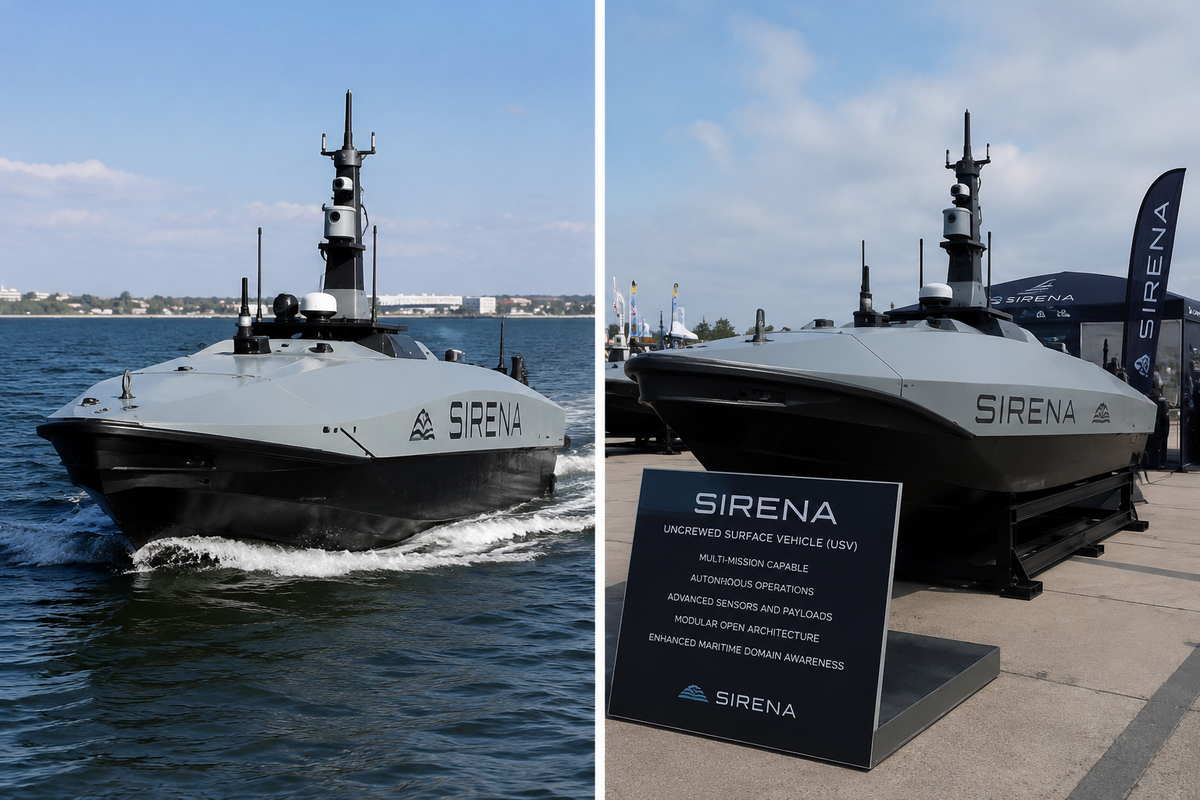
The Sirena Uncrewed Surface Vehicle (USV) is a fully autonomous marine vessel engineered to perform various naval and maritime security tasks.
Crewless in its operation, this maritime vehicle uses its sophisticated navigation, sensor, communications, and autonomous control software systems to execute missions in coastal and open-sea waters, minimizing the risks to naval personnel. The Sirena USV, characterized by its modular design, is engineered for numerous operational profiles such as ISR, maritime patrolling, mine countermeasure support, hydrographic mapping, infrastructure monitoring, and force protection.
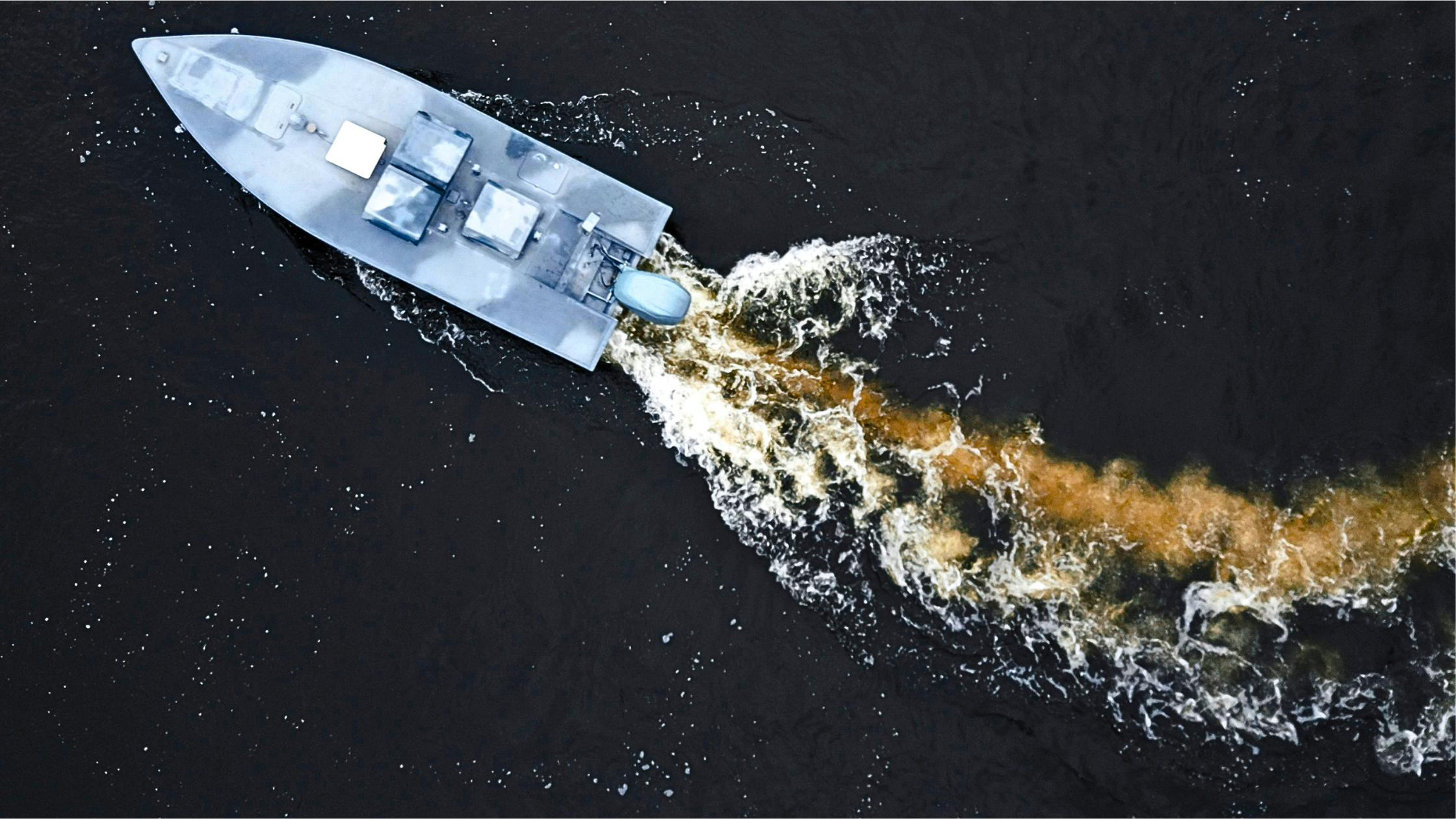
Various sensor systems can be attached to the platform in response to specific operational mission requirements, making it applicable for both government and defense maritime needs.
A combination of GPS guidance systems, radar systems, electro-optical and infrared sensors, onboard guidance technologies, and GPS is used by the Sirena USV to maintain real-time situational awareness and achieve safe navigation.
If required by an operational mission profile, the Sirena USV may be operated by human command or autonomous mode, depending on needs, and allows the vehicle to conduct a broad array of mission profiles for extended operational periods with limited need of an embarked crew.
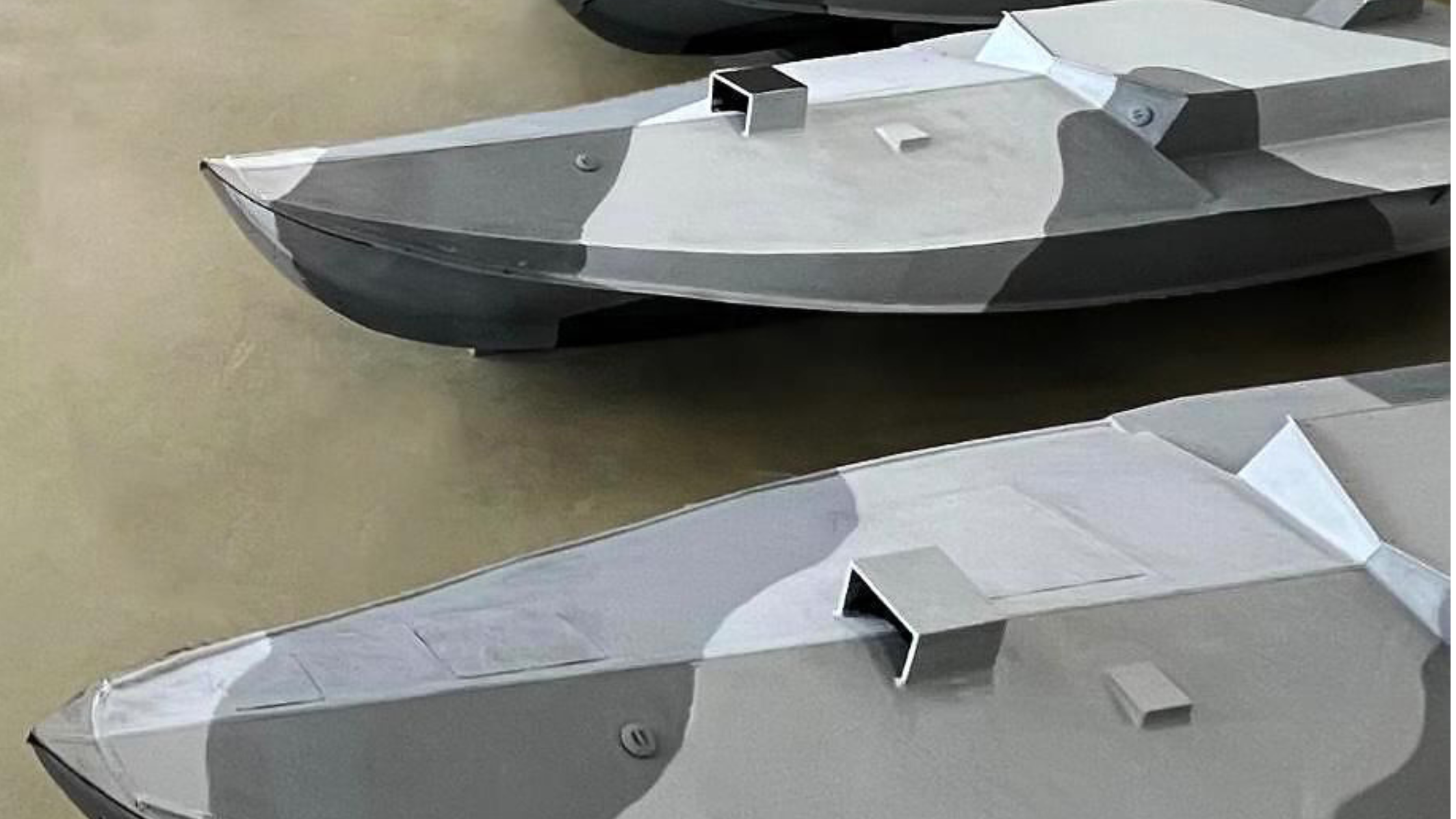
Unmanned Surface Vessels (USVs) are the modern future of maritime naval warfare and have gained prominence for naval organizations, with fleets seeking to adapt and invest in systems like the Sirena USV to extend the reach of their capabilities, conduct persistent surveillance, monitor traffic, and support surveillance and reconnaissance missions without deploying any humans into harm’s way.
One of the Sirena USV’s strengths includes conducting repeated or high-risk missions remotely, or in difficult operating environments, over prolonged durations. Using enhanced navigation and sensing systems, the USV is designed to monitor maritime sectors, conduct operational surveys, and return operational intelligence back to an operational command post. This can allow manned vessels to conduct other more complex operational requirements while increasing maritime awareness.
By utilizing a modular design, the Sirena USV can be readily tailored to meet a number of operational requirements.
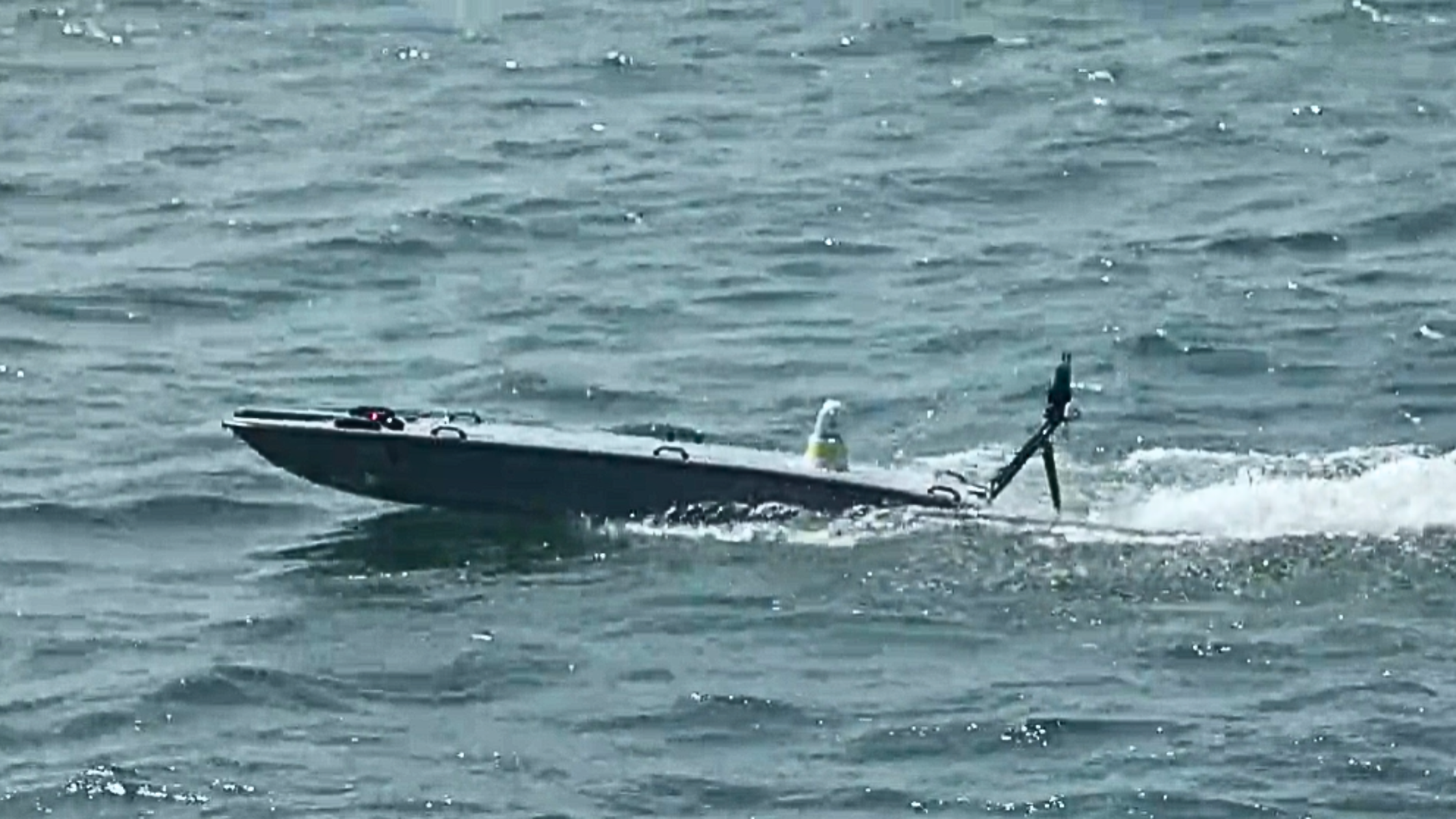
The USV can be outfitted with a variety of mission-unique payloads such as communications systems, search & rescue payloads, communications equipment, surveillance sensors, and environmental sensors to meet the demanding requirements of the navies, border forces, and commercial entities involved in operations such as border protection, naval patrol, search & rescue support, or to secure critical maritime infrastructure.
The deployment of autonomous systems is increasing as the maritime world increasingly moves to adopt networked operations. As these systems evolve and begin to incorporate higher levels of sensing, navigation, and communications systems, the operational benefits will allow commands to leverage real-time intelligence in challenging maritime operating environments.
Author: Kevin Macmellon