Pentagon Invests $847 Million in Next-Generation Laser Weapons for the U.S. Military
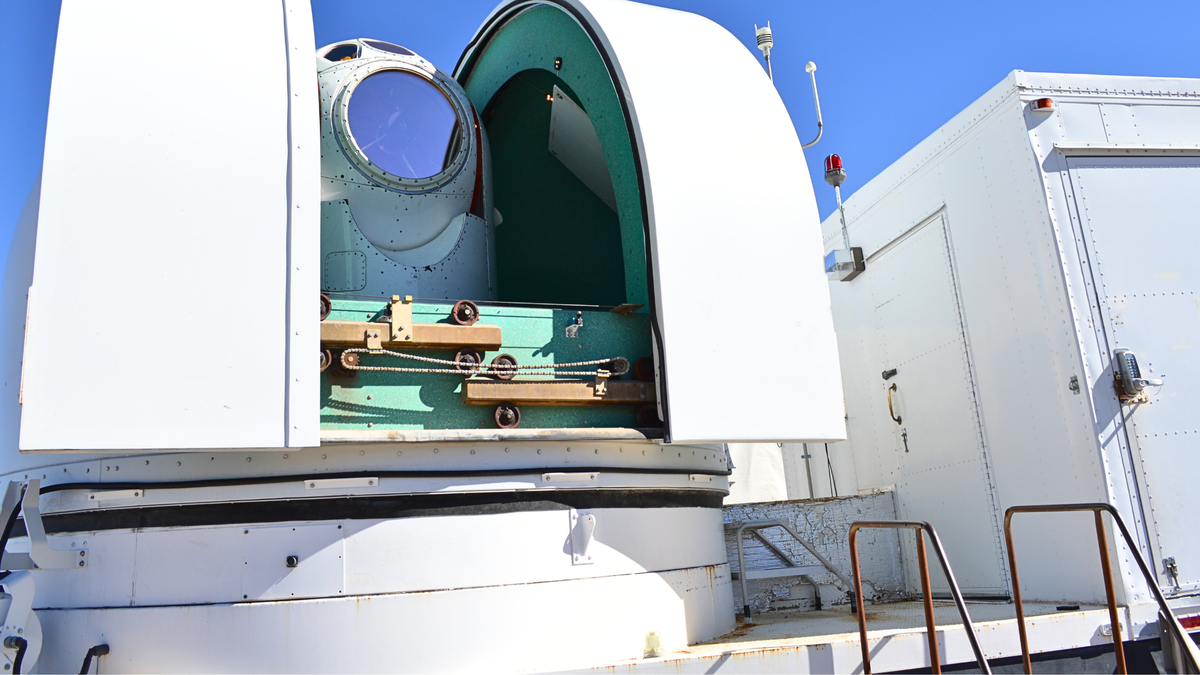
The U.S. Department of Defense recently awarded nLIGHT Defense and Lockheed Martin Aculight contracts of up to $847 million to accelerate the deployment of new-generation, containerized, field-deployable high-energy laser (HEL) weapon systems. These systems are intended to support laser systems as low as 150 kW, with capabilities for scaling to 300–500 kW and above to enhance U.S. Capabilities in air and missile defense.
Unlike existing missile-based air defenses that intercept threats with a projectile, a HEL system neutralizes a threat by focusing a concentrated beam of high-power energy at a specific spot on the target for a few seconds.
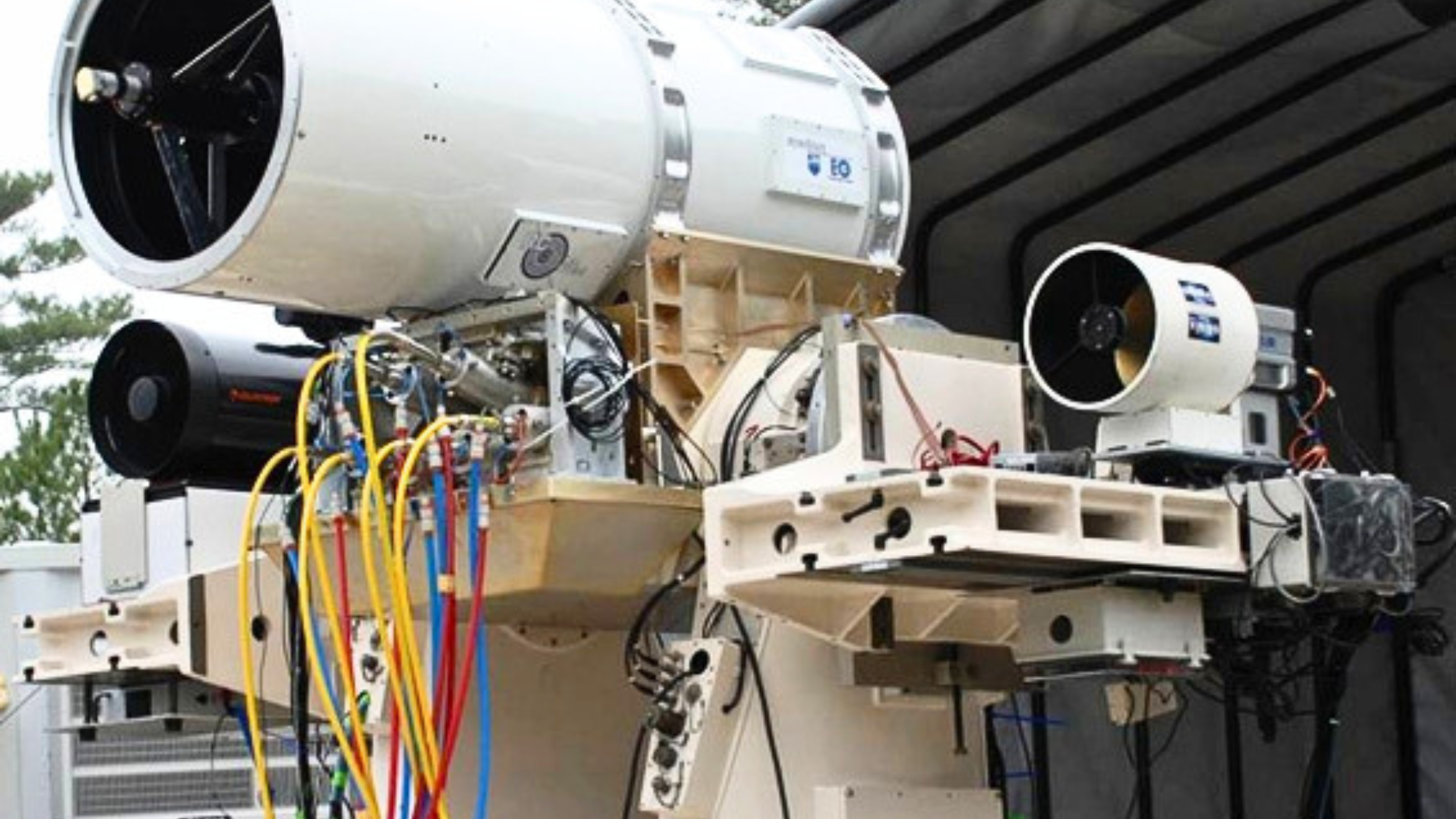
These weapons are designed to intercept a wide range of aerial threats, including drones, cruise missiles, rockets, mortars, and artillery, providing warfighters with another defensive layer in rapidly evolving air-defense environments.
One of the key benefits of HEL weapons is their extraordinarily low operating costs. Where interceptors fired by conventional air defense systems may cost several thousands, or even millions of dollars per shot, a high-energy laser can be fired at an operating cost as low as $1 per shot-depending on power production and system conditions-based on electrical power consumption.
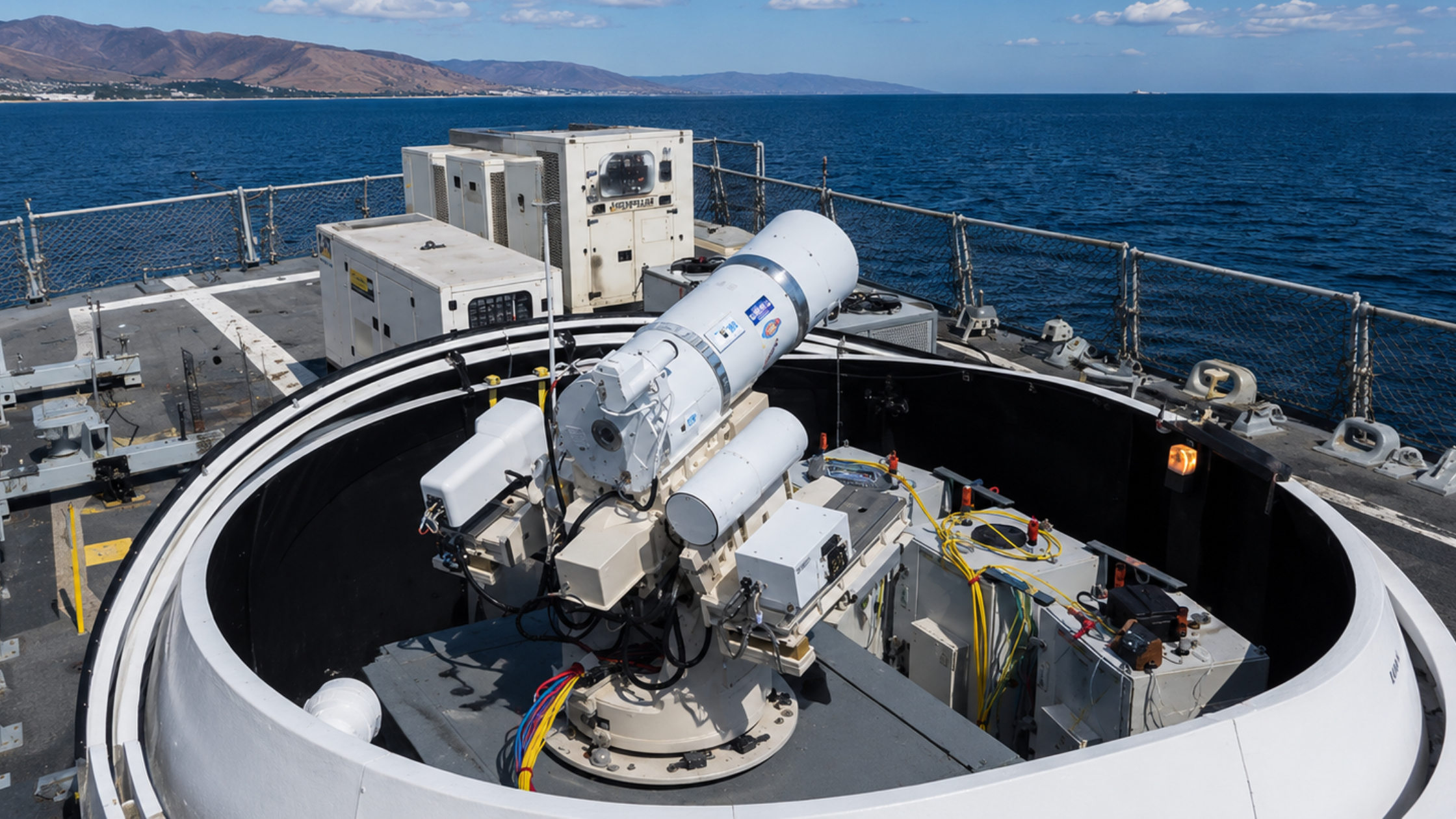
This is especially advantageous in situations where it’s necessary to defeat vast numbers of drones at low cost, and maintain high-intensity operations for extended durations.
New HEL weapon systems are to be developed in a containerized form, so they can be transported by truck, ship, or aircraft, and deployed to where troops need air defense protection. A modular design also facilitates integration with the radar systems and command and control (C2) networks employed in the U.S. Military’s air and missile defense architectures.
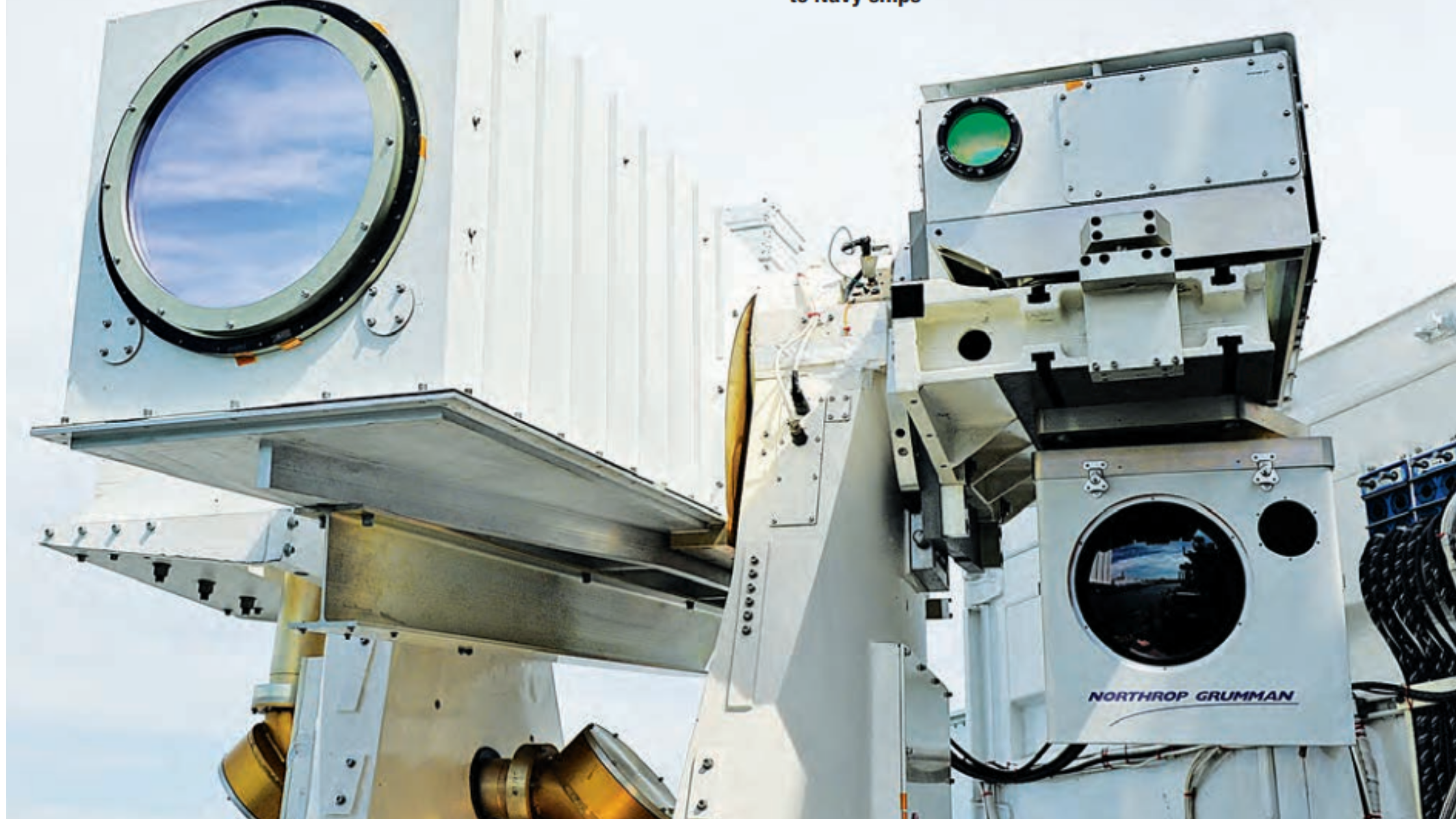
The first 150 kW lasers will help enable near-term operational deployment while paving the way for development of systems between 300-500 kW in the future. Higher-power lasers can address more robust targets and engage them at longer ranges, and spend less time damaging them before they're no longer an offensive threat. Development work is expected to allow the beams produced by these weapons to become more effective with each improvement to beam control, thermal management, and power production.
Directed-energy weapons are becoming a greater part of military defense, as militaries explore a sustainable way to defeat drones, cruise missiles, and other aerial threats.
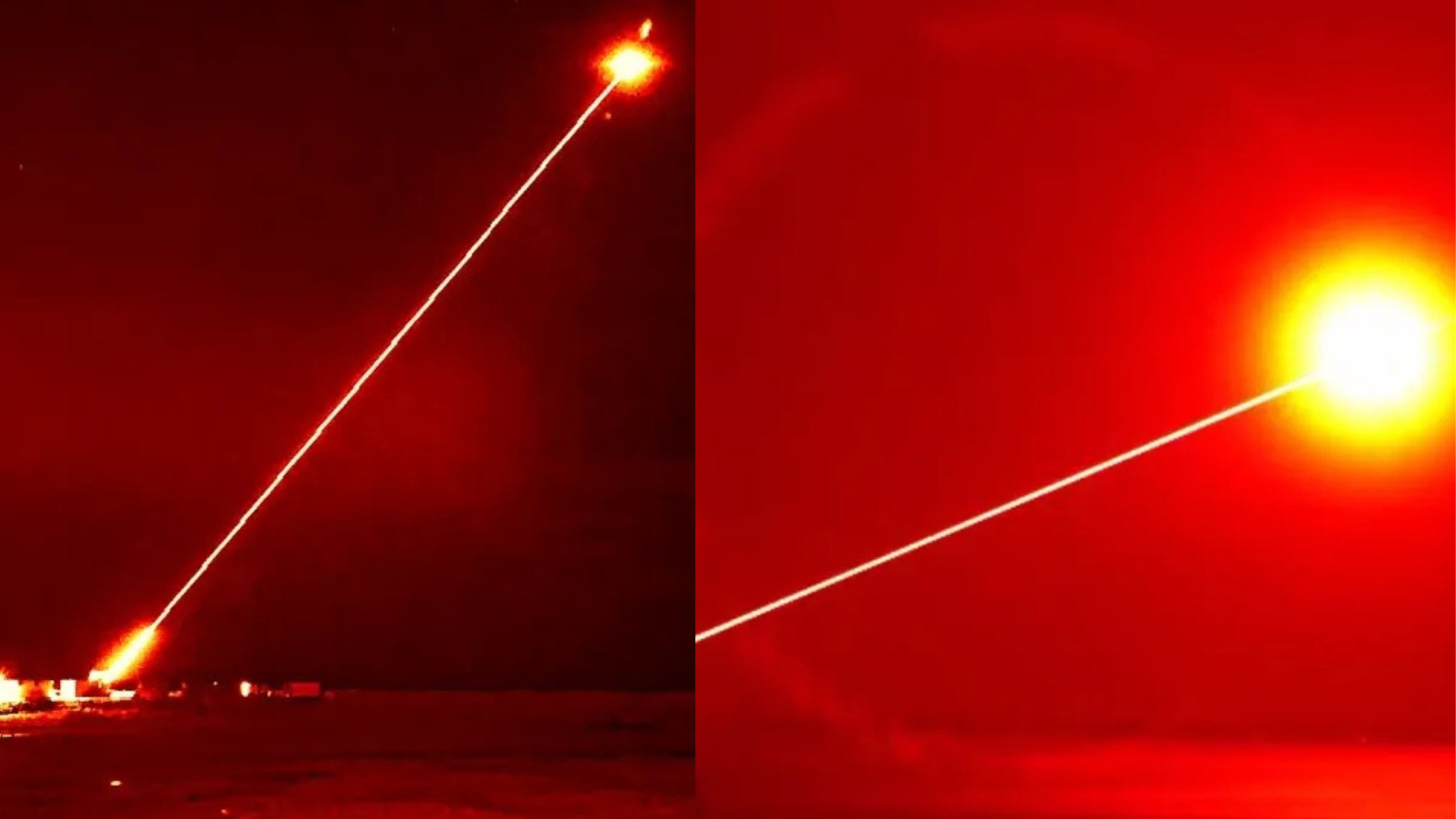
Since the weapon is only constrained by the available electrical power (rather than the number of missiles on hand, as with traditional interceptors), high-energy laser weapons give a commanding officer more latitude to defend against sustained assaults without rapidly expending valuable missile magazines.
The Pentagon's financial contribution signals a concerted drive to integrate advanced technologies in the Air and Missile Defense arsenal. Working with nLIGHT Defense and Lockheed Martin Aculight will accelerate development of the high-energy lasers for military operations, and ensure they become a central part of future defenses.
Author: Kevin Macmellon