Oshkosh Defense Unveils Family of Multi-Mission Autonomous Vehicles
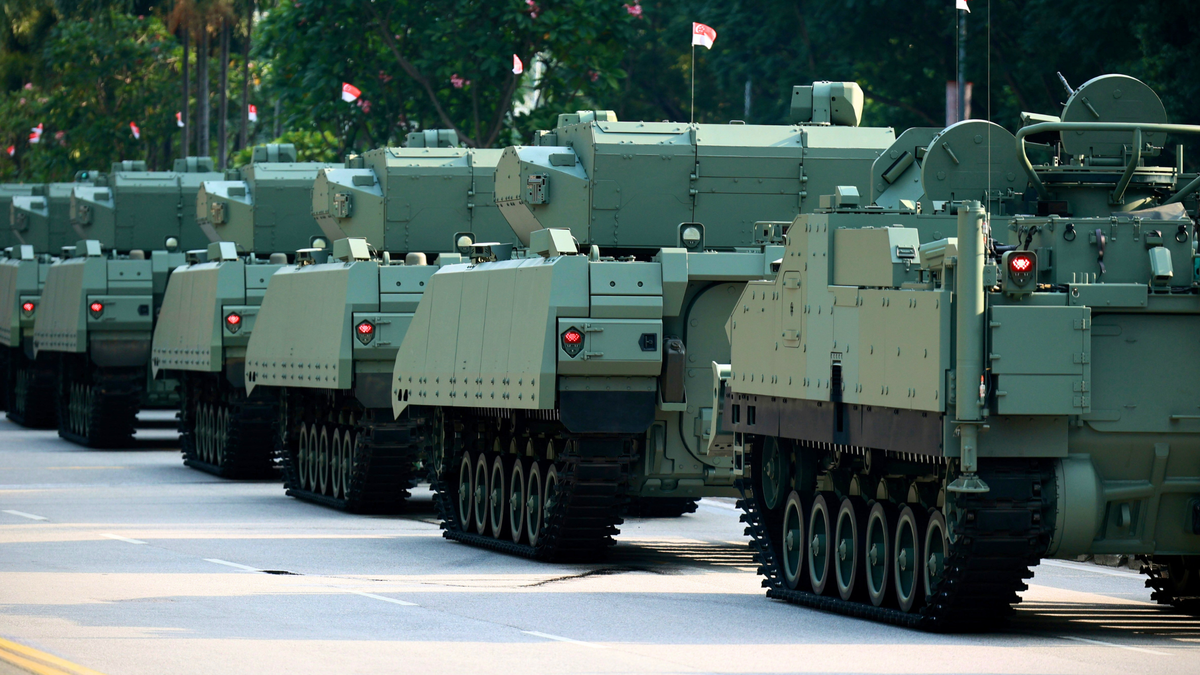
Oshkosh Defense unveiled its new Family of Multi-Mission Autonomous Vehicles (FMAV) this week. A new generation of robotic ground vehicles, the FMAVs are intended to enhance military operations by providing robotic capabilities with advanced autonomy and modularity for future battlefield support.
Oshkosh says the new FMAV will decrease the risk of soldier injury by handling the challenging operations on the battlefield with manned Army vehicles.
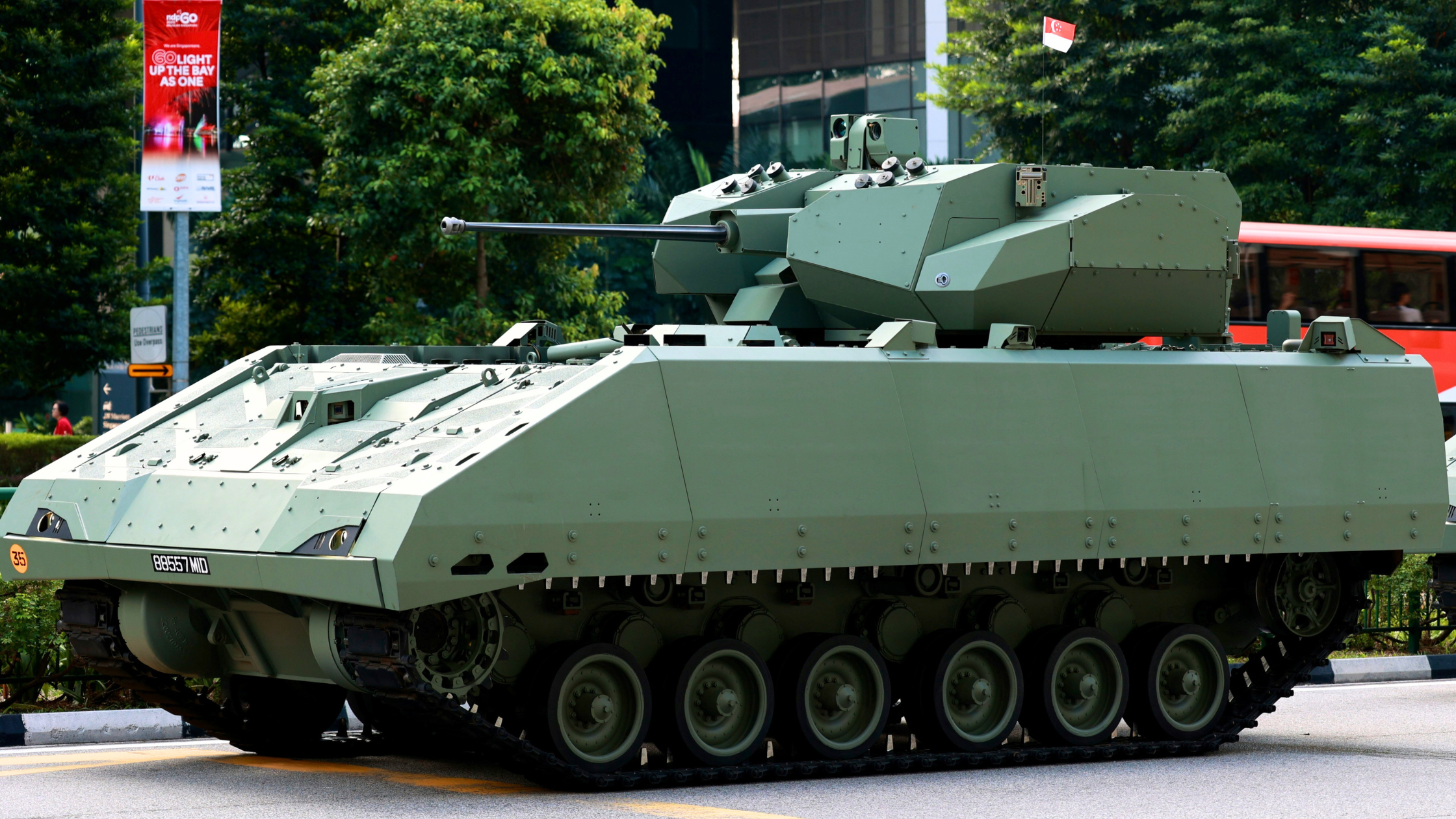
The FMAV has an open and modular architecture that allows military planners to reconfigure it to serve in many missions, such as combat service support, recon/surveillance, force protection, Casualty evacuation, and engineering operations, as well as logistics and cargo support.
The versatile FMAV platform will allow several payload options depending on operational conditions and environmental settings. Utilizing integrated sensors, advanced computing power and advanced navigation tools the robot will autonomously operate in the most challenging conditions while providing real-time situational awareness.
The robotic ground vehicles can be configured to operate in three different operating modes: remote, semi-autonomous, and autonomous, depending on the military mission. Oshkosh designed the FMAV with a networking-focused architecture that will enable it to be fully incorporated into future networked battlefields.
When coupled with manned and unmanned formations, FMAVs will provide enhanced operational flexibility and reduce the number of personnel needed to achieve the mission.
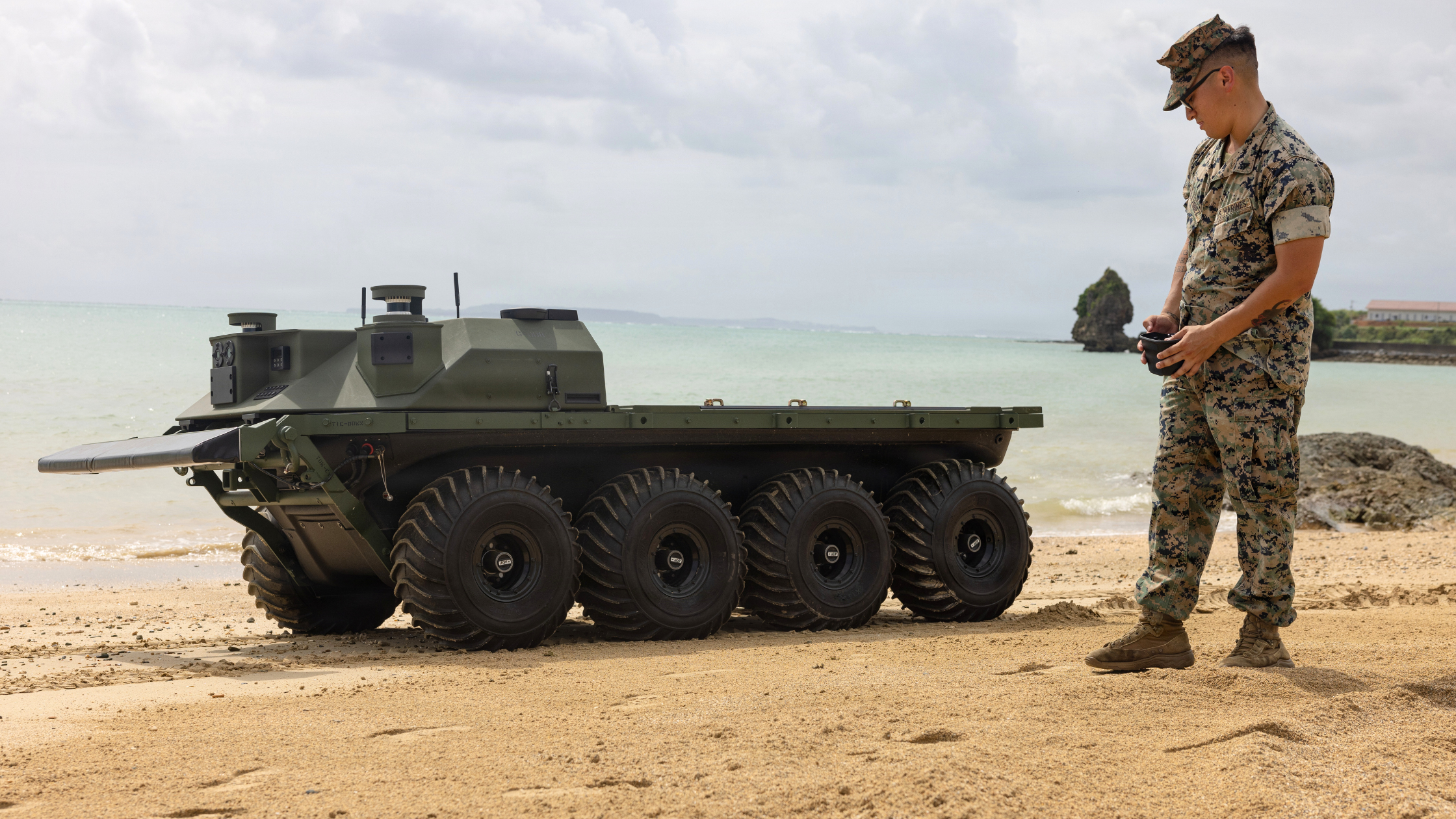
As automation improves, the role of combat support robots like Oshkosh's FMAVs is set to increase significantly in military operations.
Perhaps its strongest asset to military operators is the FMAV's modular mission design, a feature that allows a single platform to be equipped with mission-specific payloads, ranging from surveillance sensors to comm systems, to engineering capabilities, cargo systems, and other payloads approved by the services.
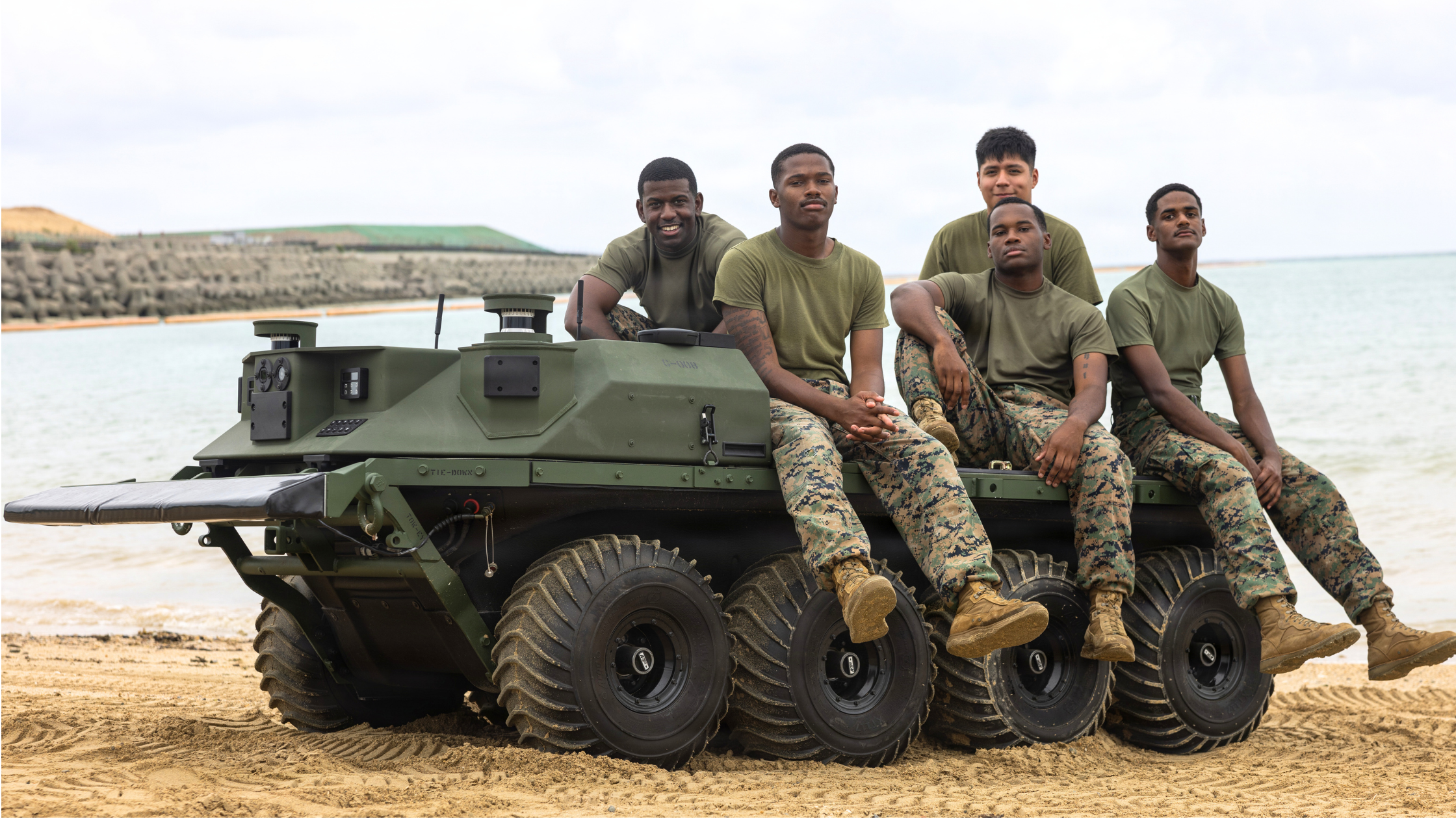
This avoids the need to procure a completely different vehicle for a given mission set and reduces the overall logistics burden associated with operating a fleet of varied vehicles.
Another key trend the FMAV embraces is that of human-machine teaming in ground combat operations, wherein vehicles will operate side-by-side with their human counterparts-they are designed to take on high-risk, repetitive or physically strenuous missions to allow humans to concentrate on more strategic and complex decision-making in an operational environment.
Oshkosh officials envision their FMAV eventually performing roles that might put humans in harm’s way.
The ongoing trend toward the militarization of robotics, A.I., and advances in ground mobility by U.S military services is illustrated well by platforms such as Oshkosh Defense’s FMAV – the new standard in the next generation of unmanned ground vehicles.
Author: Kevin Macmellon