Ohio-Class Submarines: America's Most Powerful Nuclear-Powered Submarines
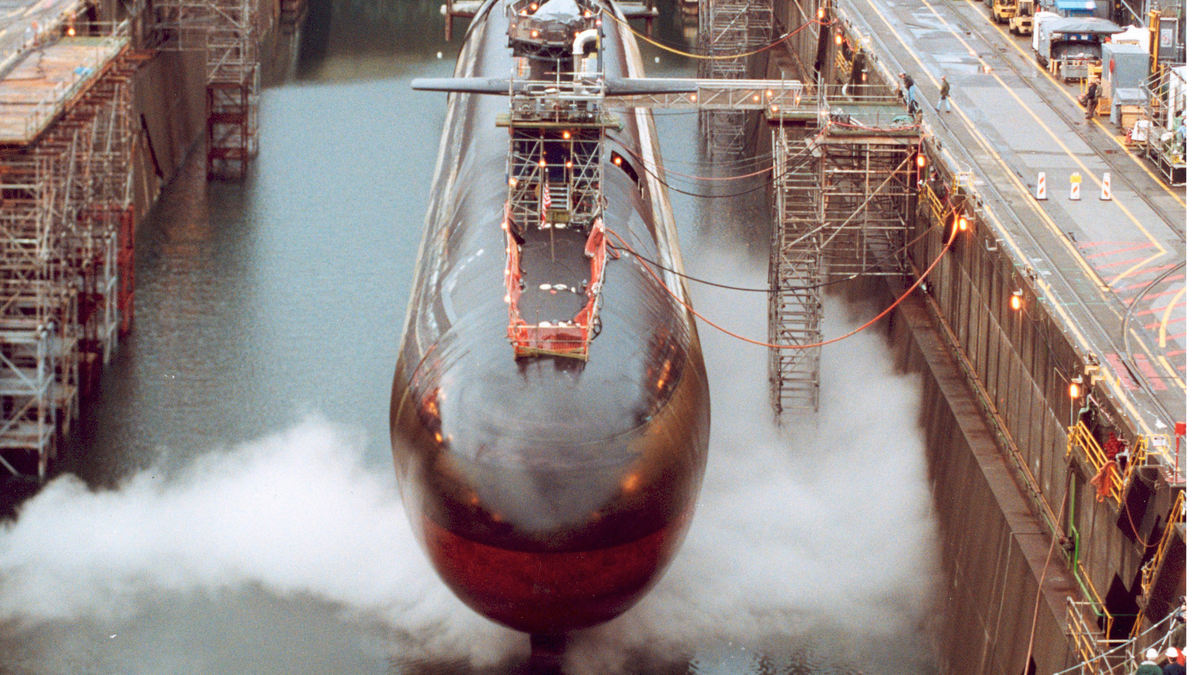
Perhaps one of the most significant and longest-lasting submarine designs in history, the United States Navy has operated its nuclearly powered class since the early 1980s. Providing the United States with one of its most important strategic naval assets, the Ohio-class submarine offers stealth capabilities, globe-spanning reach, and continuous operations deep beneath the surface of the sea for extended deployments. The U.S.
Navy’s Ohio-class submarine comes in two forms: the ballistic missile submarines (SSBN) that focus on nuclear deterrence missions and the guided missile submarines (SSGN) designed for special operations support and conventional strike missions.
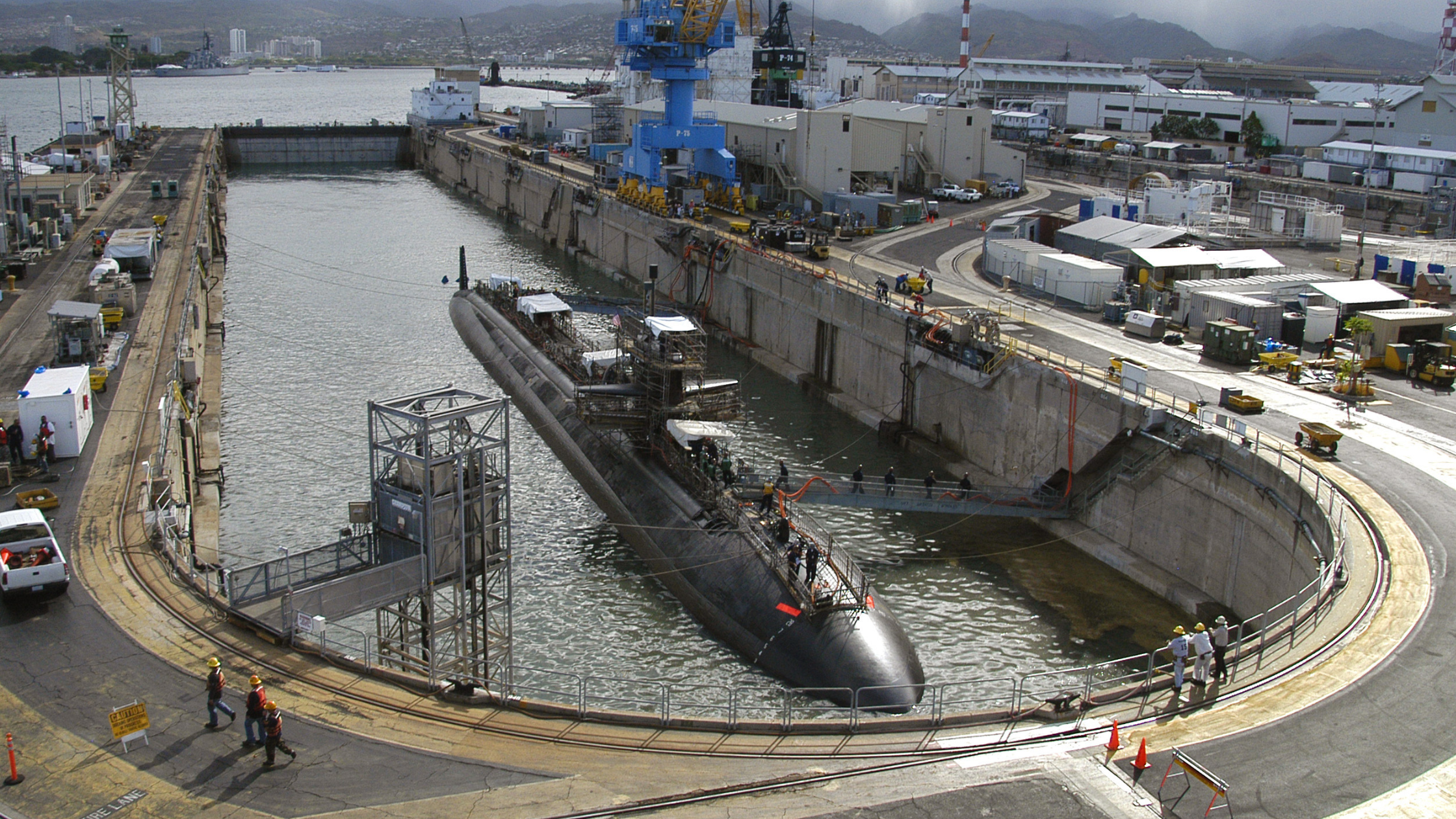
Combined, these provide unparalleled operational flexibility and power across the spectrum of global conflict and support for combined joint task force operations. With a nuclear-powered reactor at its core, an Ohio-class submarine can remain at sea for months at a time, with its mission duration set solely by the available food supplies for its crew.
Its extremely quiet drive system, array of sensors including passive and active sonar, along with an extremely sophisticated navigation suite means it can traverse the vast oceans while remaining undetected. The command, communications, navigation, and sensor suite aboard each vessel allows its crews the ability to view their surroundings and communicate remotely, while keeping up the command and control to conduct any mission, no matter the complexity or the number of forces involved with them.
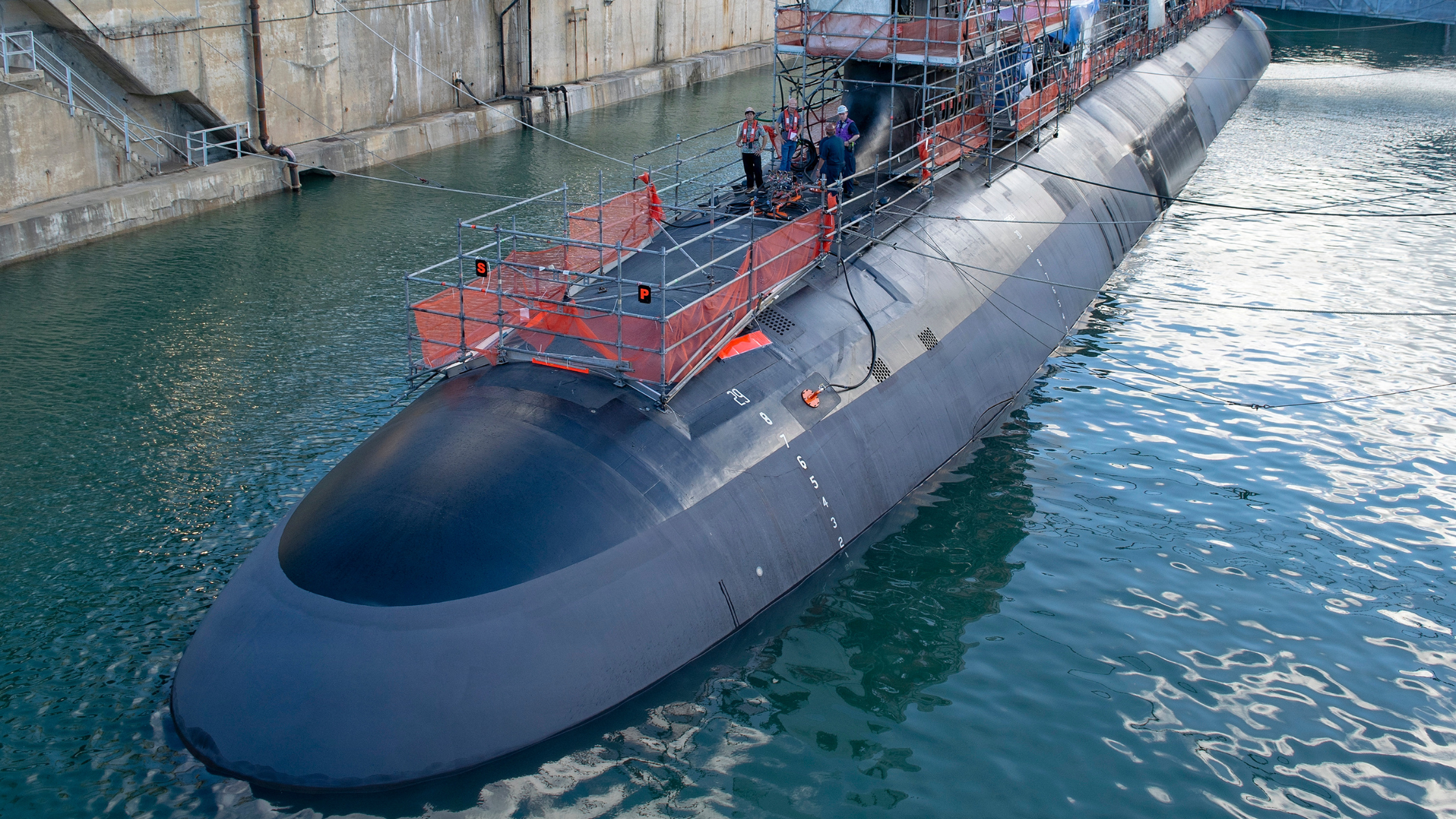
They also stay up to date with upgrade programs in order to provide their crews with the best possible assets while deployed, as the fleet ages.
One of the Ohio class's greatest strengths is its ability to remain hidden beneath the ocean for extended periods while maintaining continuous operational readiness. The combination of nuclear propulsion, advanced sonar systems, and low acoustic signature makes these submarines difficult to detect, allowing them to patrol vast maritime regions while supporting national defense objectives.
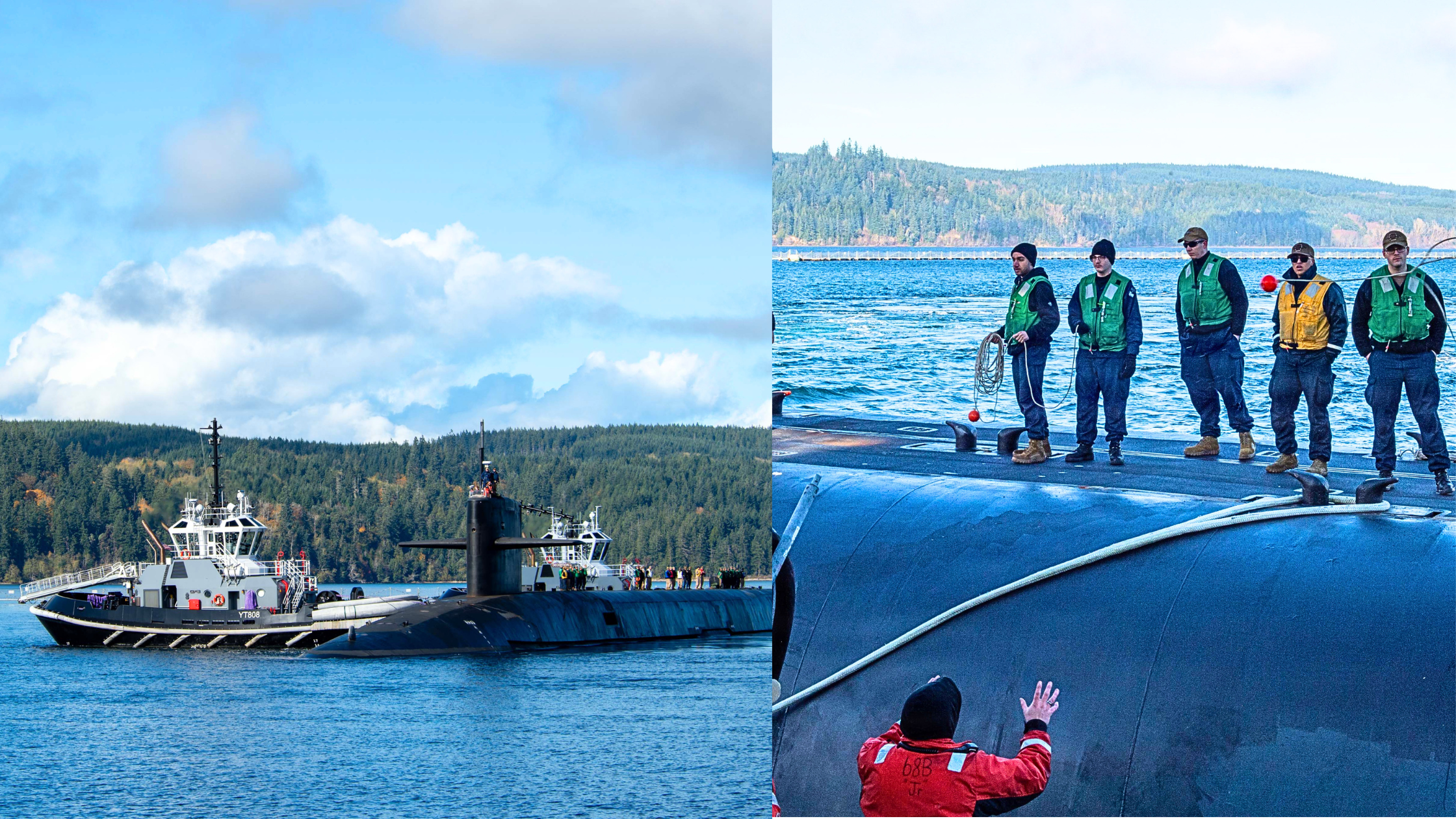
The guided missile variant of the Ohio class significantly expands the submarine's operational flexibility. In addition to carrying conventional strike capabilities, these submarines can support special operations forces by transporting personnel and equipment for maritime missions.
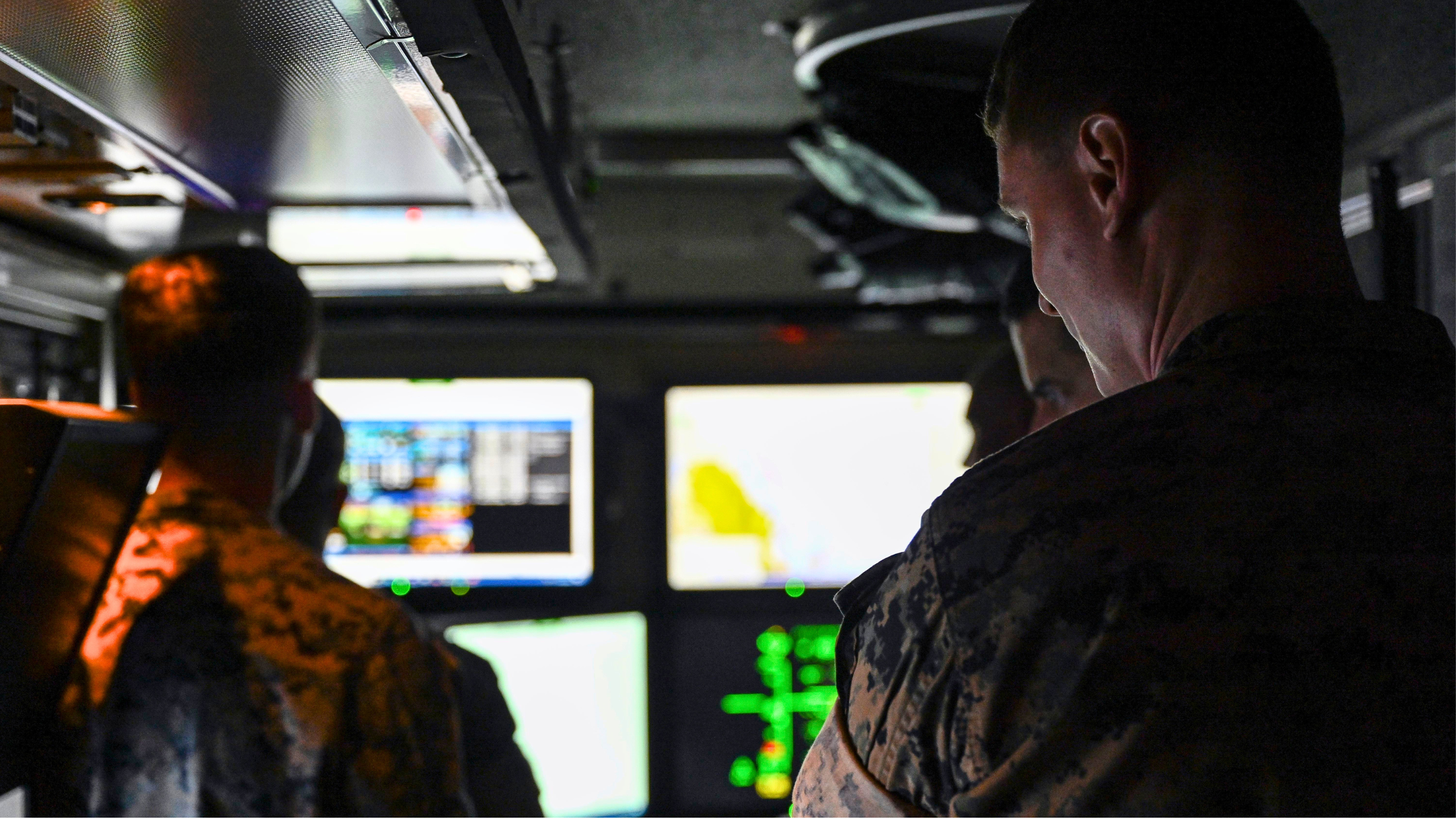
This versatility allows a single platform to contribute to a wide range of naval operations, including maritime security, intelligence support, and joint force missions.
As newer submarine programs continue to emerge, the Ohio class remains one of the most influential submarine designs in modern naval history. Decades of upgrades and modernization have ensured that these vessels continue to play a vital role in U.S. maritime strategy. Their combination of endurance, stealth, advanced technology, and mission flexibility has established the Ohio class as a cornerstone of America's undersea capabilities.
Currently, Ohio-class submarines configured as ballistic missile submarines (SSBN) carry a maximum of 20 Trident II D5 SLBMs under their present U.S configuration and arms control constraints.
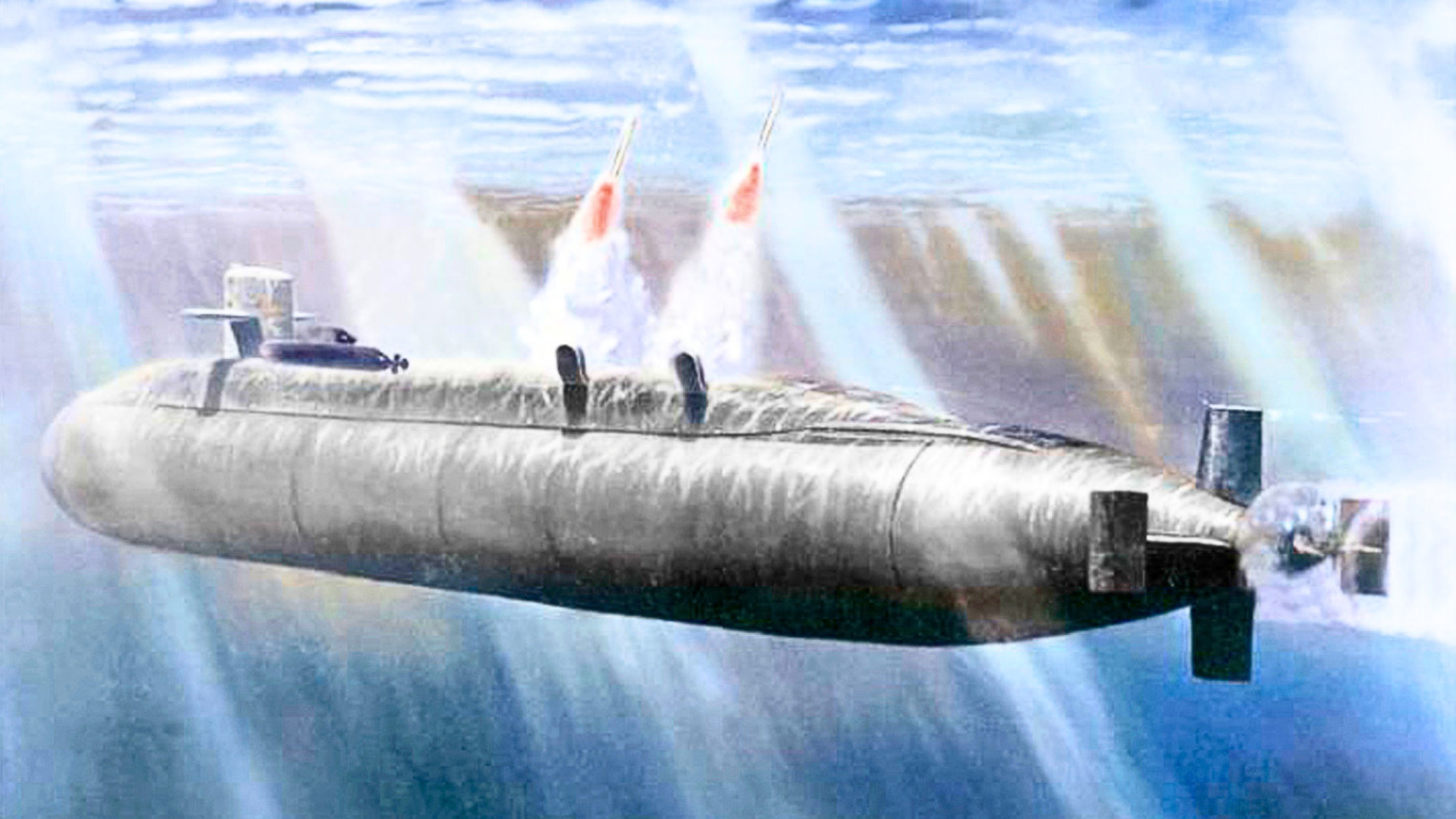
The Trident II D5 is a very long-range ballistic missile capable of flying thousands of kilometers, and represents a crucial element of America's nuclear deterrent posture. Earlier in their lifespan, Ohio-class SSBNs featured 24 tubes; the four forward-most tubes were retired in order to remain in treaty-compliant numbers.
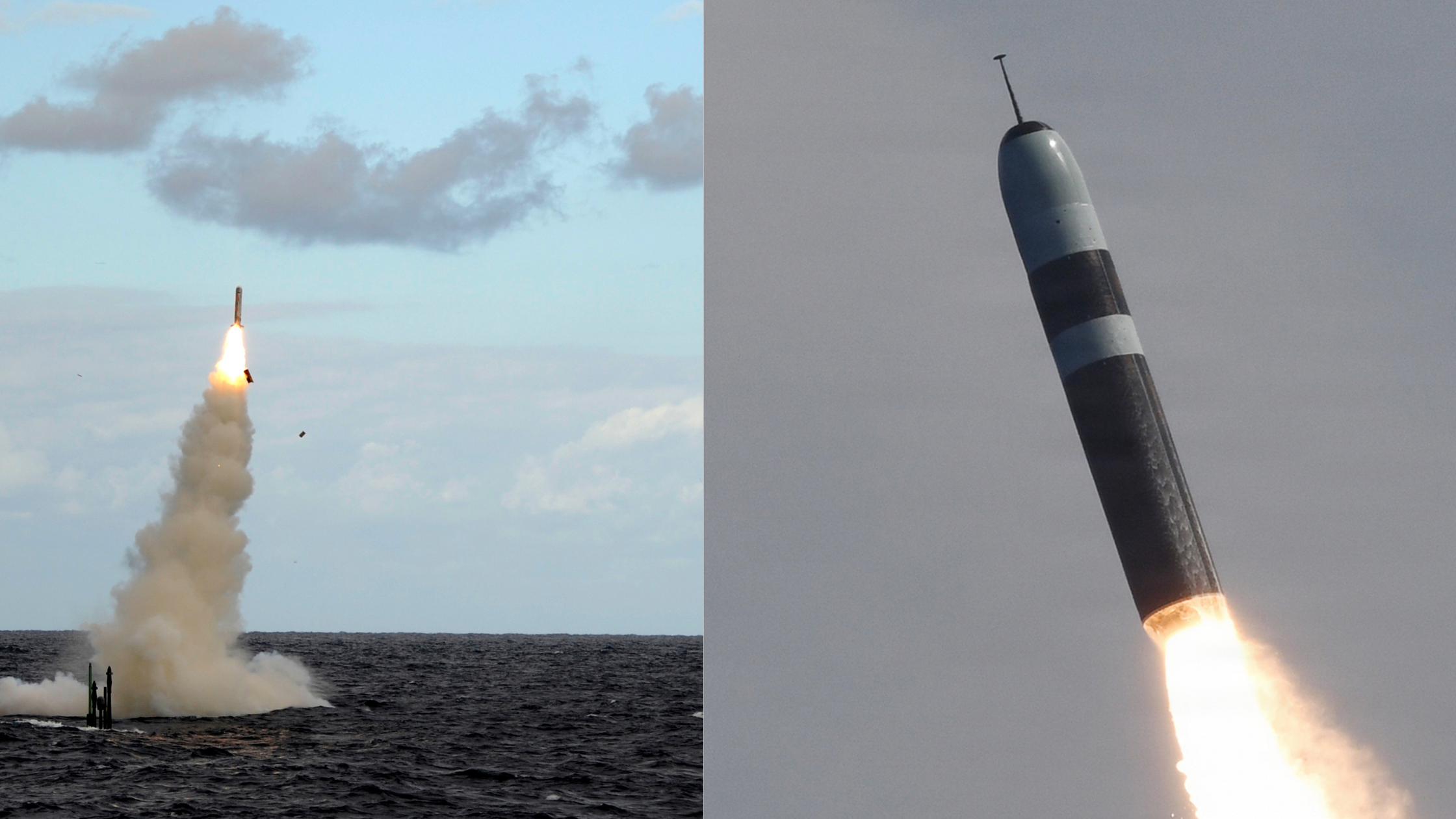
Ohio-class submarines have been converted into Guided Missile Submarines (SSGN), and rather than ballistic missiles, they can house up to 154 Tomahawk Land Attack Missile (TLAM) in vertically-launched tubes in order to provide a potent long-range, conventional capability.
The SSGN may also accommodate Special Forces detachments, and it stands among the most diverse platforms available to the Navy's fleet.
Author: Kevin Macmellon