KH-11 KENNEN: America's Secret Spy Satellite That Watches the World From Space
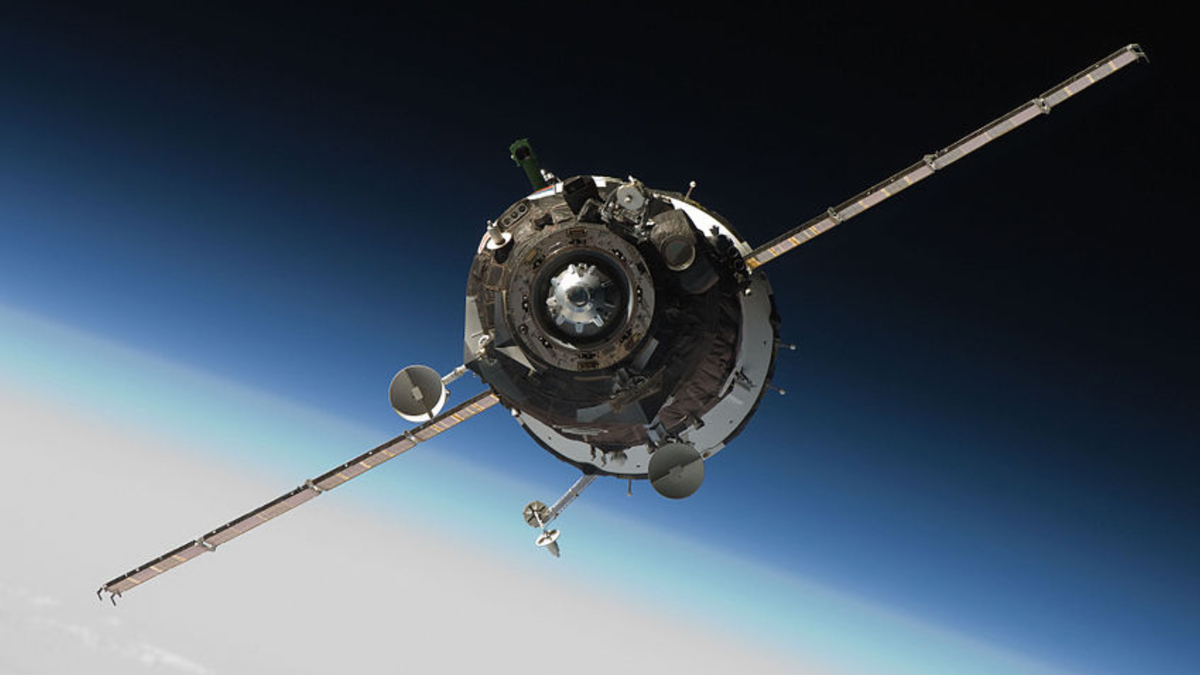
The KH-11 KENNEN (CRYSTAL) - A Peek at America's Eye in Space. On the cutting edge of aerial intelligence-in every sense of the phrase-sits theKH-11 KENNEN, believed by most to be the pinnacle of the American optical reconnaissance program.
Otherwise known as the CRYSTAL or the Evolved Enhanced CRYSTAL System (EECS), the satellites operated by the National Reconnaissance Office (NRO) form the backbone of the U.S.'s high-resolution imaging intelligence-an endeavor that supports America's global military strategy and national security objectives.
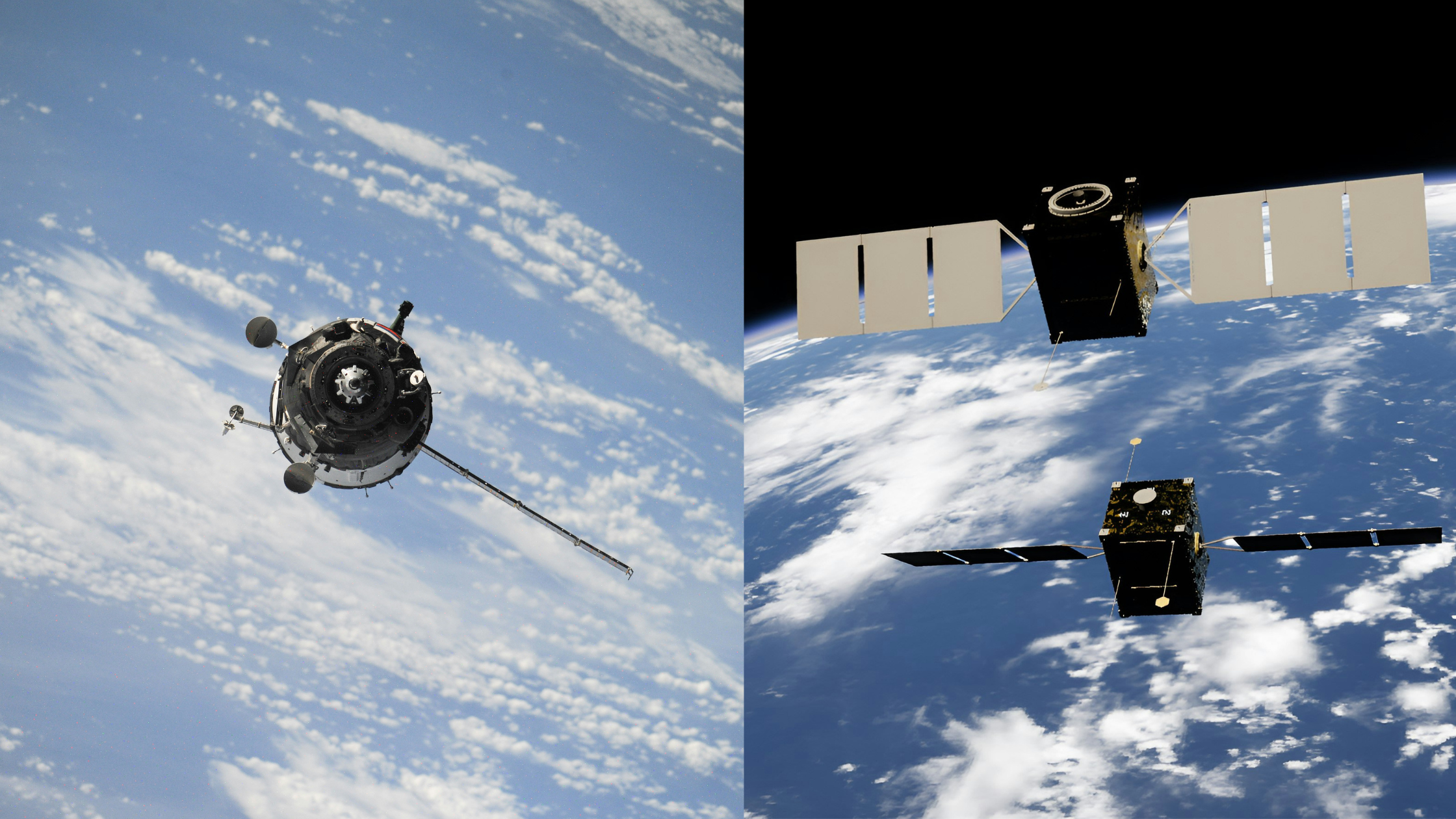
Though much of what happens behind the NRO's black curtain is classified, open-source information paints a fascinating picture of theKH-11's enduring role since the 1970s.Film Roll to Full HD: The KH-11 marks a significant departure from earlier reconnaissance satellites.
Instead of relying on film canisters parachuted back to Earth for processing, reports indicate that KH-11 satellites employ digital imaging systems, allowing the transmission of photographs to ground stations nearly instantaneously. This capability vastly accelerates the rate at which intelligence analysts can monitor troop movements, identify potential threats, and assist commanders dealing with dynamic situations on the ground.
The KH-11 is also equipped with an apparently enormous optical telescope, enabling it to take close-up photos of military facilities and sites from Earth orbit. Earth from Above: Every time theKH-11 orbits our planet-which it does several times daily-it is thought to capture detailed images of military facilities, naval bases, missile silo fields, airfields, and anything else that might pique the interest of the intelligence community.
This data collection plays a crucial role in gathering intelligence, maintaining awareness of the battlefield, verifying arms control treaties, and facilitating disaster relief and humanitarian efforts.
In conjunction with radar imaging and signals intelligence satellites, KH-11 imagery contributes to a holistic understanding of global events. Ongoing Evolution: Over the past few decades, several generations ofKH-11 satellites have been launched, each with improved performance and capabilities.

Experts believe these advancements have focused on enhancing image quality, on-board data processing, communications capabilities, and mission longevity.
Although precise details are shrouded in secrecy, analysts agree that theKH-11 system continues to be modernized and remains arguably the most important element of the U.S.'s space-based reconnaissance program.
Author: Kevin Macmellon