Inside THAAD: The U.S. Missile Defense Shield Protecting Against Ballistic Missiles
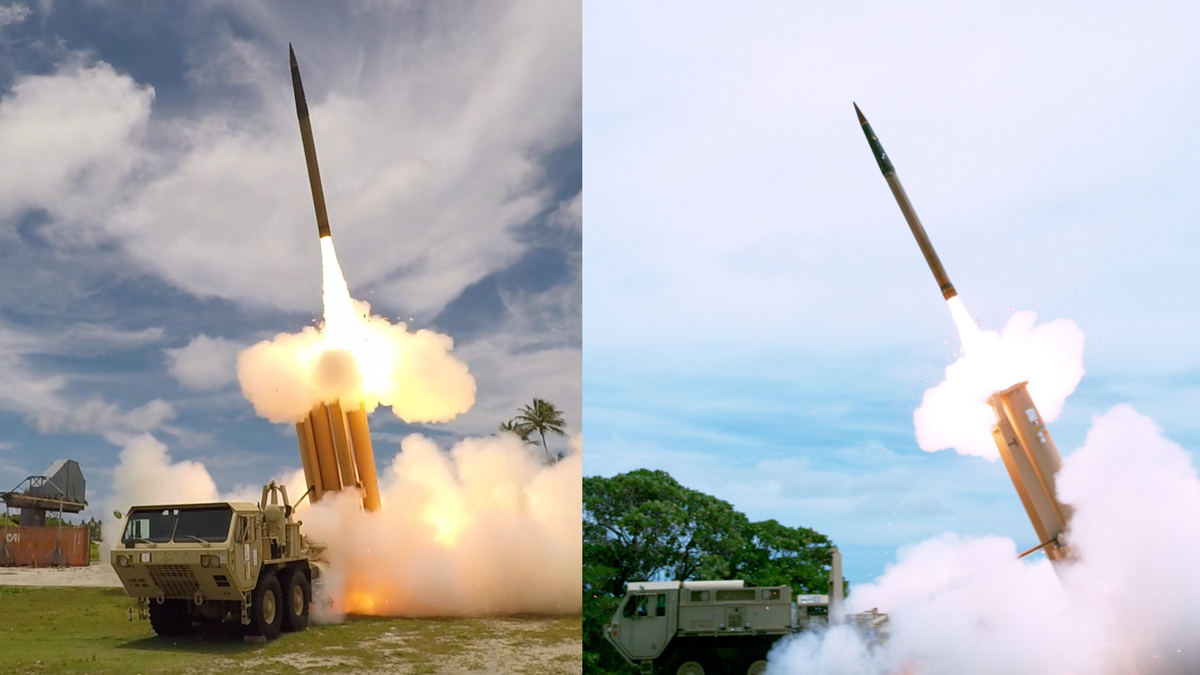
The Terminal High Altitude Area Defense (THAAD) system is the United States' premier ballistic missile defense platform. Its objective is to intercept short-, medium-, and intermediate-range ballistic missiles in the final stage of their trajectory, i.e., at the high altitudes that their trajectory reaches, in an area beyond what conventional air defense systems like the Patriot can reach. The U.S.Missile Defense Agency commissioned Lockheed Martin to develop the system.
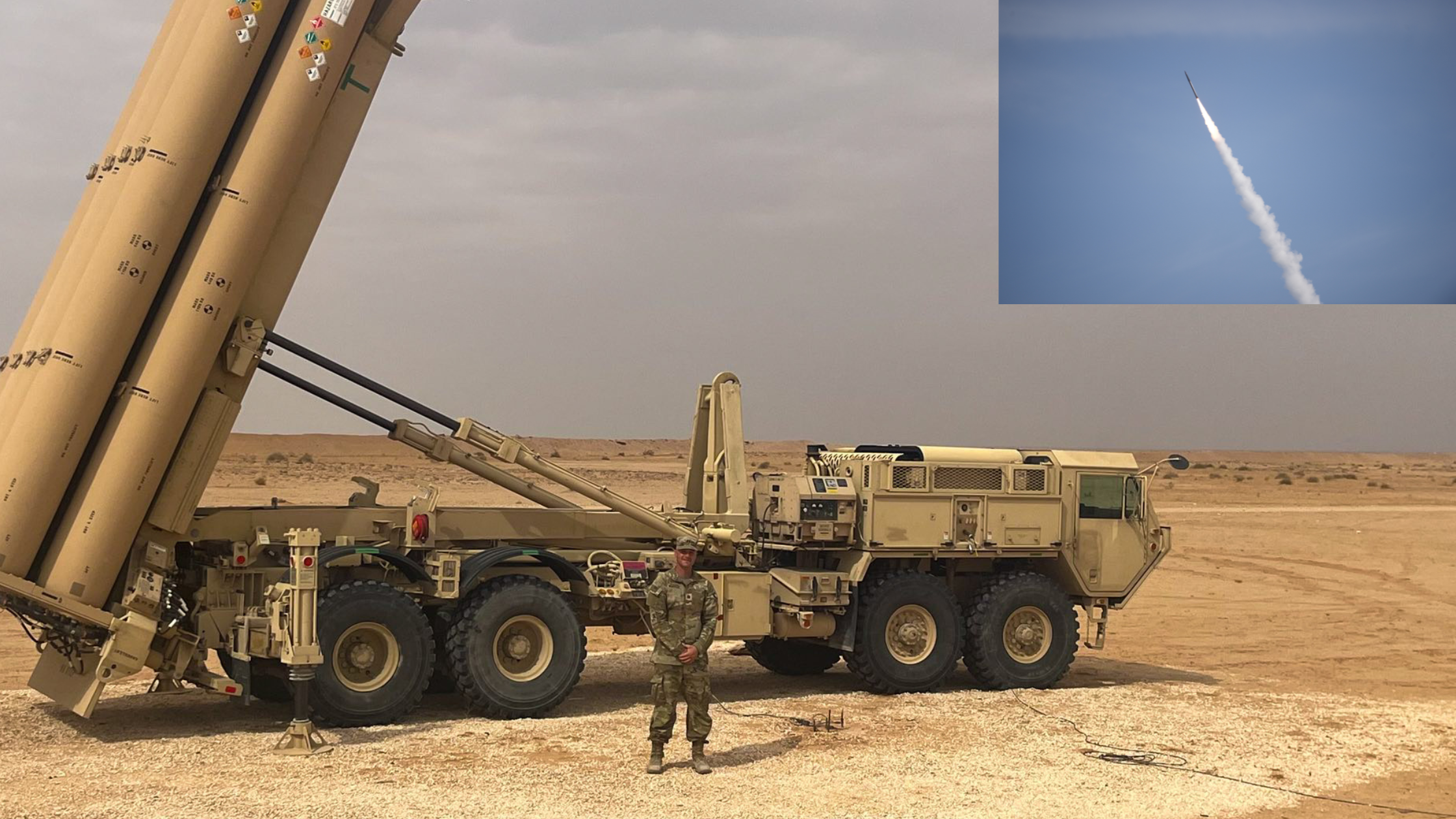
As it adds another layer to regional defense capabilities, the THAAD enhances the capacity to cope with and defend against future ballistic missile threats. Unlike some other air defense systems that are designed to detect and engage aircraft and cruise missiles, the THAAD is purpose-built for ballistic missile threats.
Its interceptors use a "hit-to-kill" technology, whereby an incoming ballistic missile is destroyed by impact itself, without an explosive warhead, thereby reducing the chance that unexploded material might reach defended areas. In addition, this also enables high-accuracy interception.
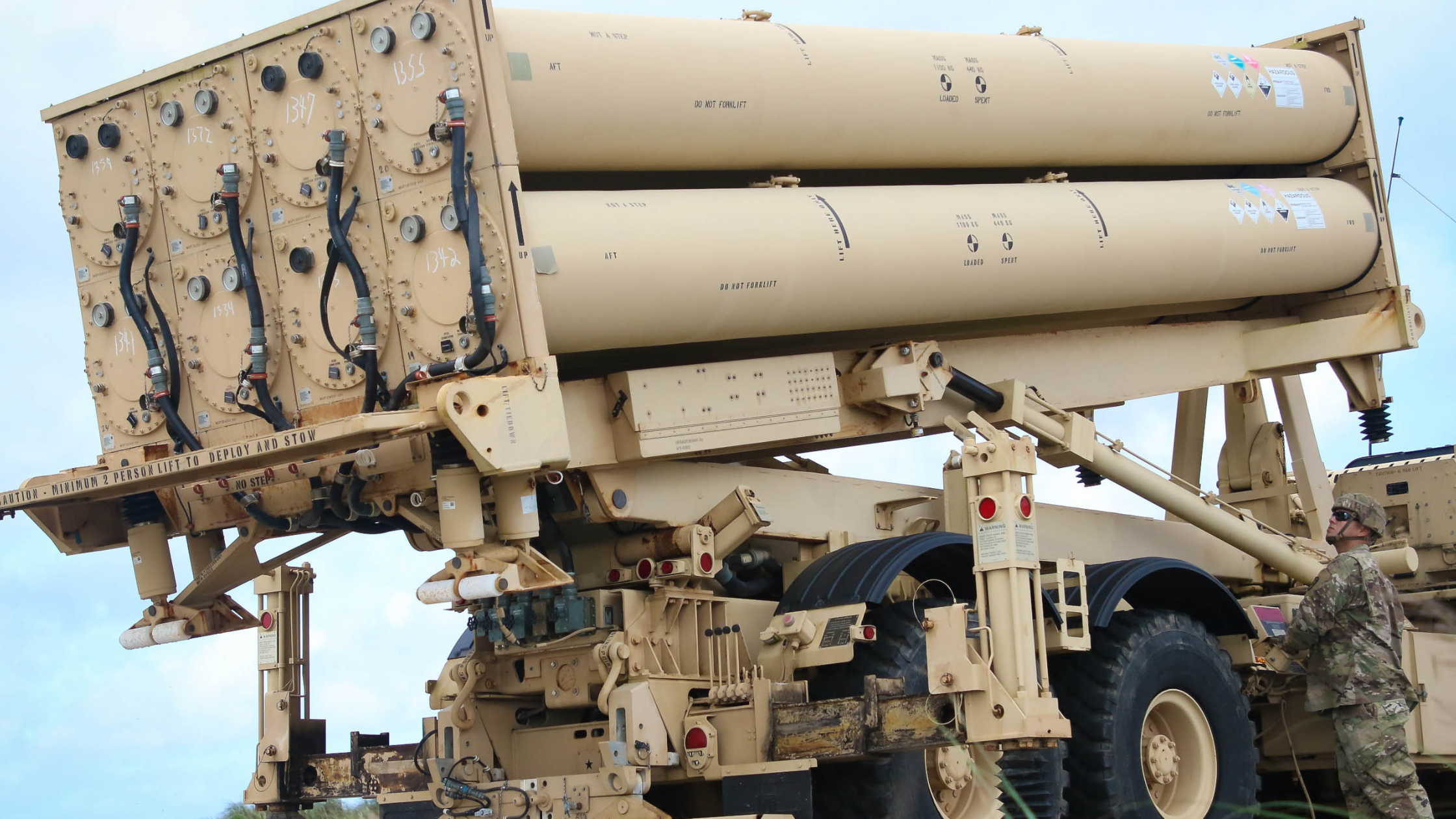
A standard THAAD battery includes the mobile launchers, THAAD interceptor missiles, the AN/TPY-2 X-band radar, a Fire Control and Communications (TFCC) center, and other support vehicles.
The highly potent AN/TPY-2 radar has the capability of detecting and tracking the threat, a distance at which commanders will assess it and respond accordingly, using information collected by other missile defense systems such as the Aegis Ballistic Missile Defense and the Patriot system.
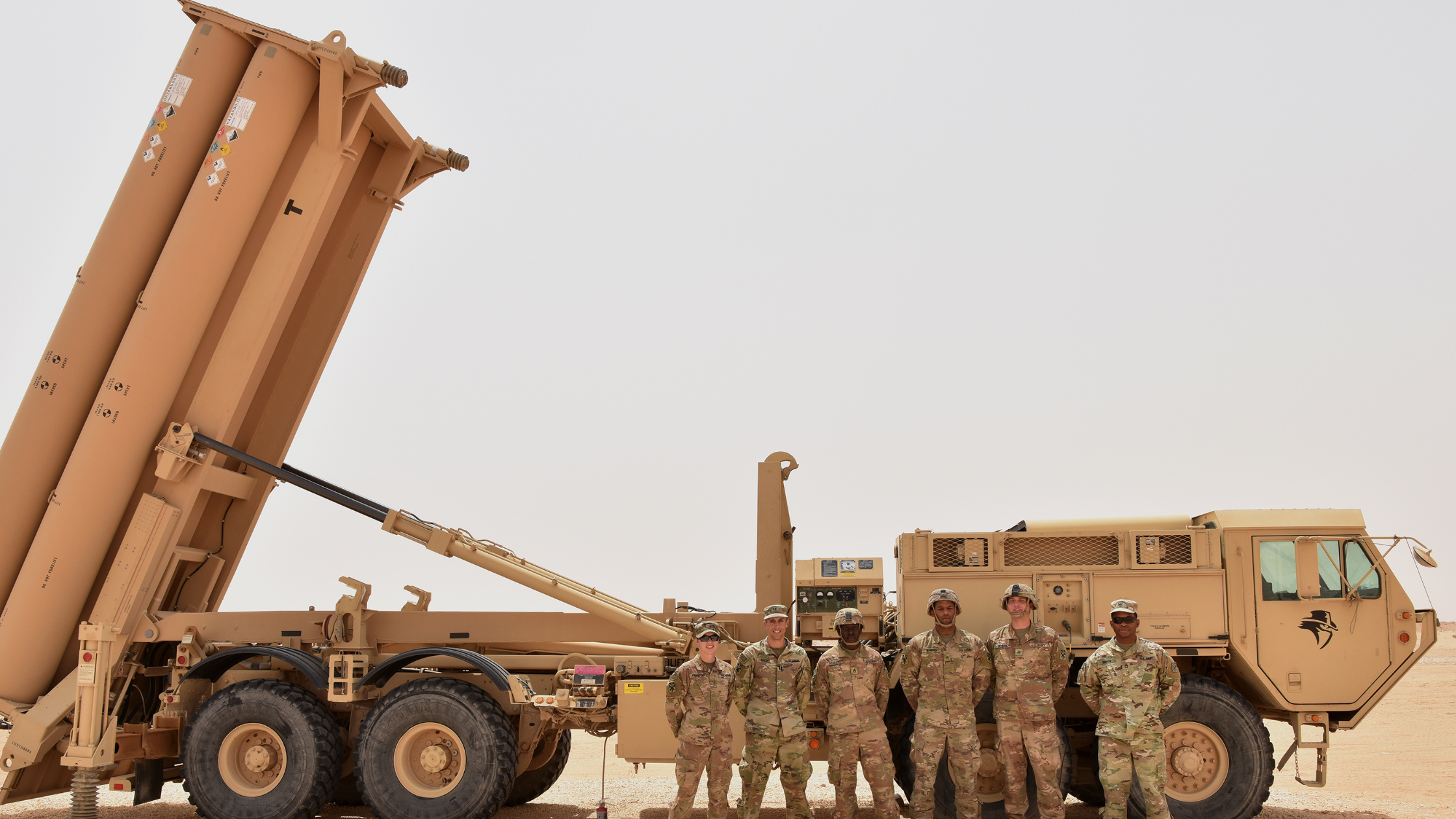
The THAAD has been deployed globally to complement regional missile defense efforts since becoming operational. Its mobility, mobility, mobility, the speed at which it can be brought to a desired location, and its coordination capabilities are considered essential for layered defense architecture.
Given advancements in missile technology, the THAAD system is among the world’s most effective means of countering the missile threat to US military forces and their allies.
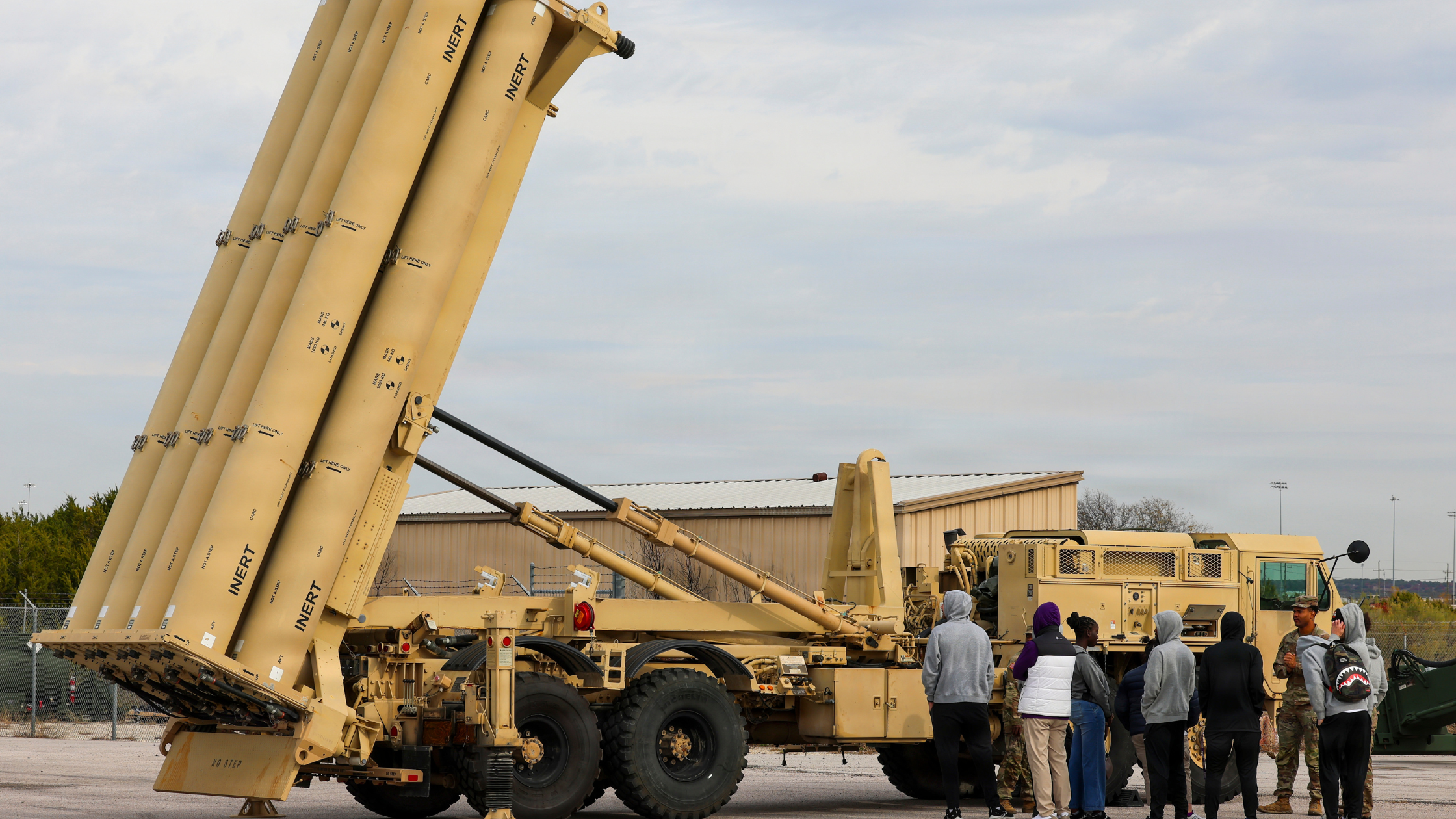
One of the most important features of THAAD is its capability to be deployed as part of an integrated missile defense system. THAAD shares tracking information with other missile defense systems such as the Aegis Ballistic Missile Defense system, Patriot Air and Missile Defense system, and early warning satellite systems.
Sharing data allows missile defense commanders to manage multiple layers of missile defense to protect from ballistic missile attacks, creating a greater defense against attacks.
Author: Kevin Macmellon