From Washington to the Battlefield: How the Pentagon Directs Military Operations
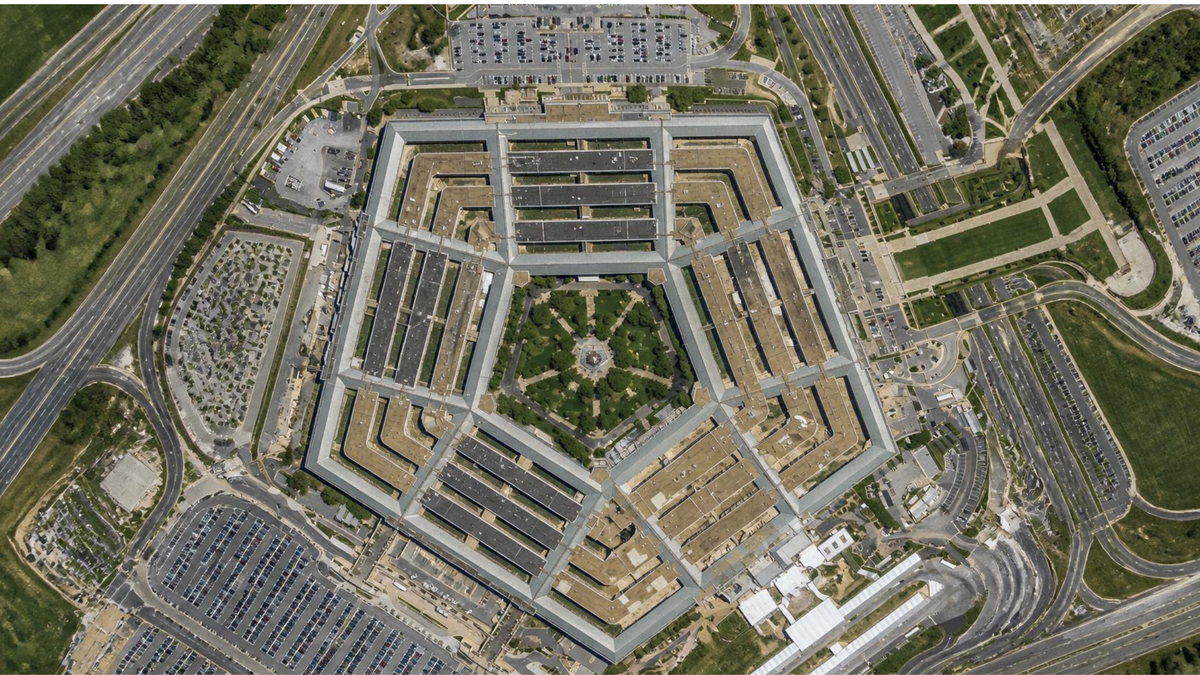
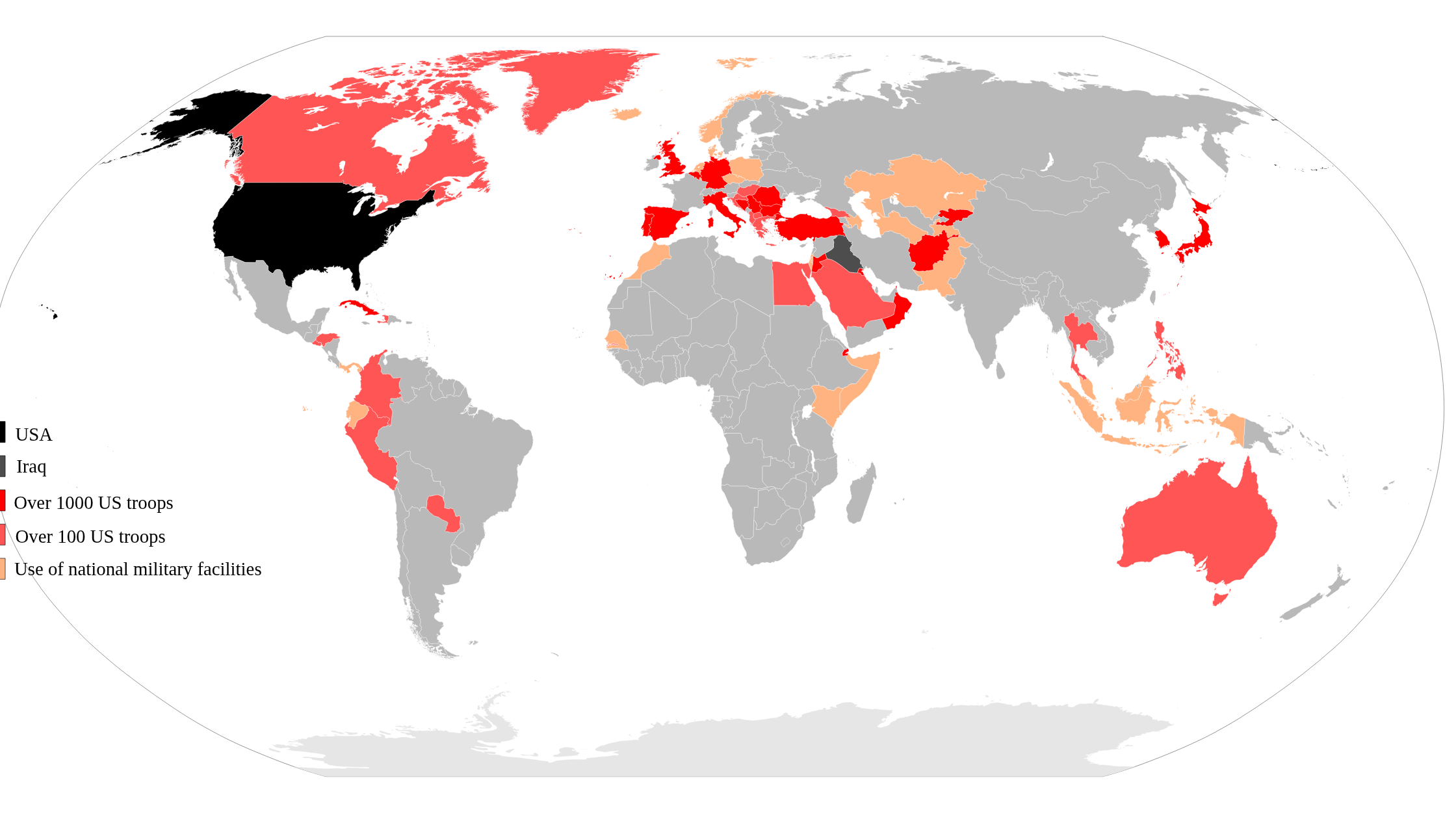
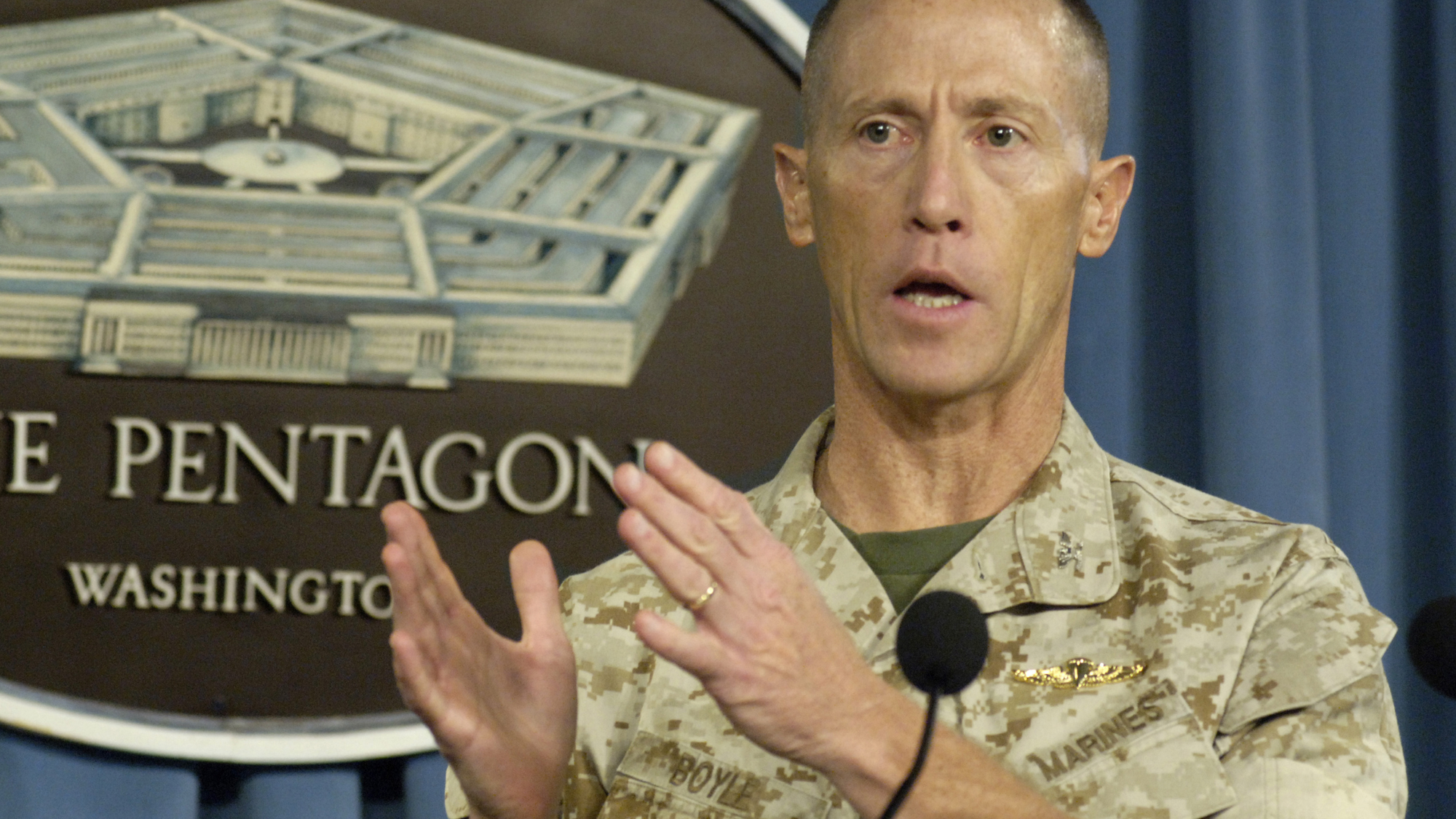
Pentagon Headquarters for U.S. Department of Defense and Global Network Of Military Bases The Department of Defense (DoD) is headquartered at the Pentagon, located in Arlington, Virginia, just outside of Washington D.C. Although, military bases are found in every U.S. State, in addition to many allied countries throughout the world, the Pentagon provides overall strategic policy and planning, and management of DoD resources, including the many Military bases around the globe.
Operations Army, Navy, Marine Corps, Space Force, Air Force, plus military command center operations in various countries throughout the world come together to produce a massive military network, consisting of the various services and commands of the U.S. Military.
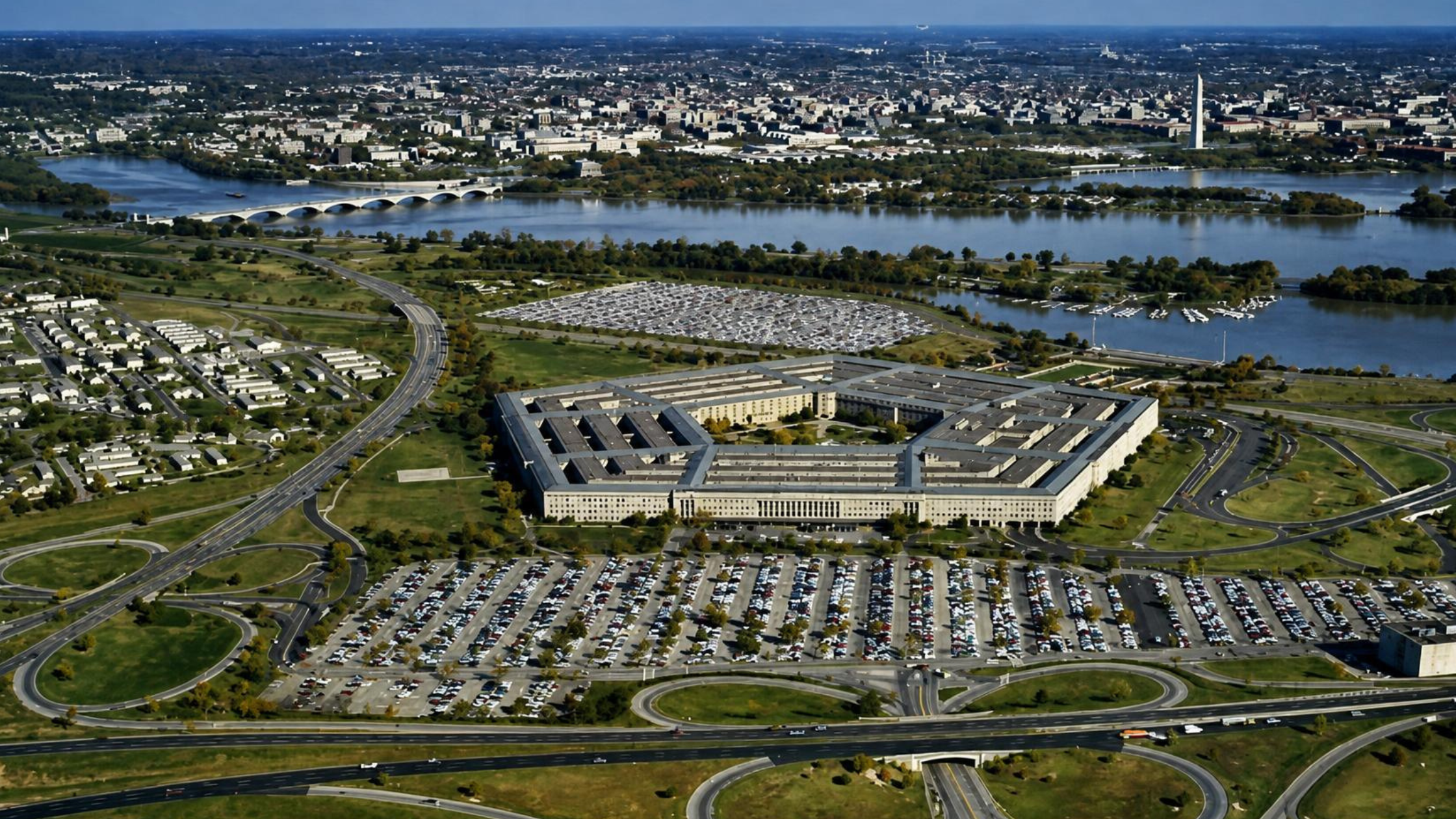
These major commands include the U.S. Indo-Pacific Command, U.S. European Command, U.S. Africa Command, U.S.Southern Command, U.S Central Command, and U.S. Northern Command. Operations in these commands are conducted at specific Military bases within their geographical areas, in coordination with the Pentagon.
A worldwide system of military bases and facilities maintains, operates, and commands our planes, navy, supplies, intelligence collection operations, training facilities, repairs of military equipment, and cyber defense of U.S. Military information and personnel around the globe.
The U.S. Military has a sophisticated communication system that connects the military bases all around the world. Intelligence: The intelligence operations are the hub that brings everything together and include satellite, aircraft, and naval reconnaissance and surveillance along with radar capabilities and the reporting of all activities related to intelligence gathering operations.
These are from officially known sources such as satellites that are not in a classified status, such as NASA, or planes with advanced equipment on board.
These include, but are not limited to, aircraft with sensors and maritime patrol operations, and anything else that helps the military maintain awareness. The United States Military operates within a world of Military bases, and it has a large global organization that controls and manages those facilities to allow them to work cohesively in providing security to the nation and U.S. Interests abroad.
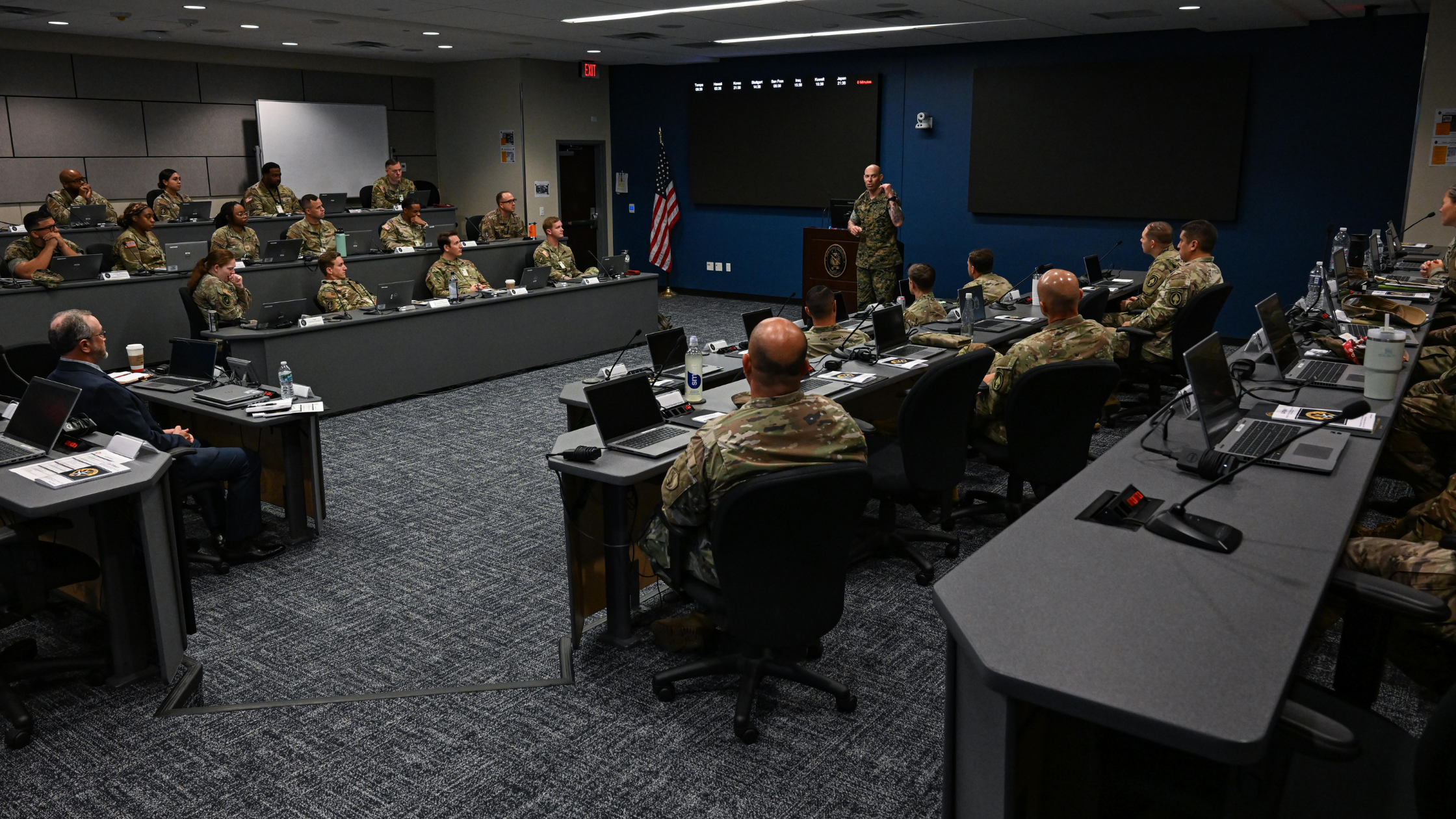
We bring together thousands of personnel, pieces of equipment, and aircraft to manage a coordinated operation with great effectiveness across this massive worldwide organization. This is great for a topic for Warfare Decoded, as it provides insight into how a large organization, such as our military, operates around the globe, using unclassified data and without speculation on classified operations.
The readiness of the U.S. Military isn't about just troops in combat-far from it. Every deployed soldier or ship represents a vast logistics chain, ensuring fuel, ammunition, spare parts, food, medical care, personnel, and hardware get from the U.S. To wherever it’s needed across thousands of miles of ocean and land.
Airlift assets, sealift operations, and strategically placed logistical centers allow forces to fight anywhere in the world, and maintenance units are key to keeping aircraft, ships, and vehicles running.
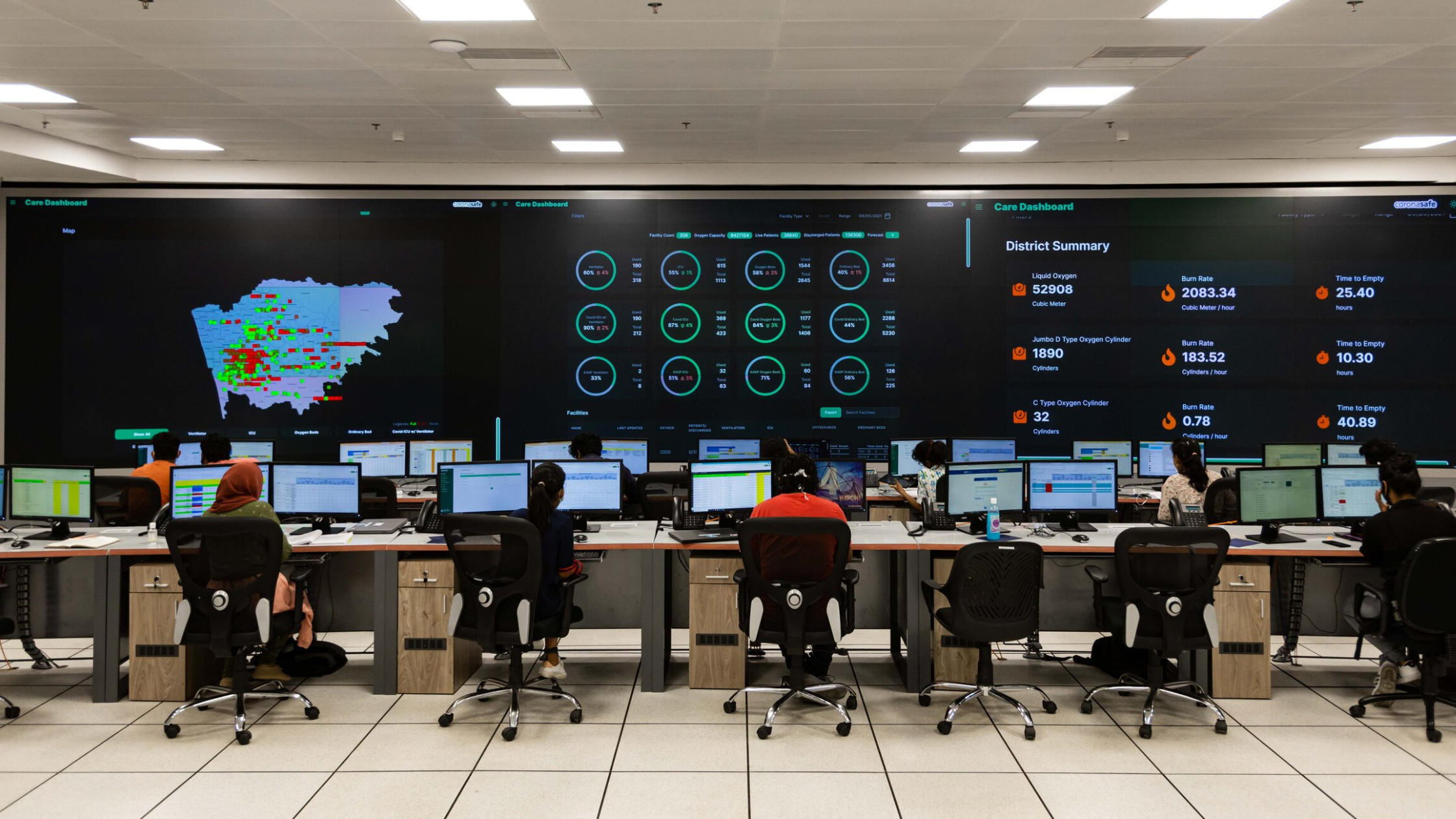
The Pentagon is also leading a military-wide push to develop and integrate new technologies, such as artificial intelligence, cloud computing, secure communications, cyber defenses and space-based capabilities that can give military commanders an edge by allowing for quicker analysis and communication of information across any battlefield.
Exercises alongside our allies every year improve how forces from different countries work together during missions, whether responding to natural disasters, humanitarian relief or defending territory.
Pentagon officials collaborate with allies such as those at the National Security Council, the Department of Homeland Security, the Department of State and across the intelligence community to bring to bear the full range of national instruments when addressing security challenges that can't be tackled by the military alone.
Author: Kevin Macmellon