BGM-109 Tomahawk Land Attack Missile: The Long-Range Cruise Missile That Redefined Precision Strike Warfare
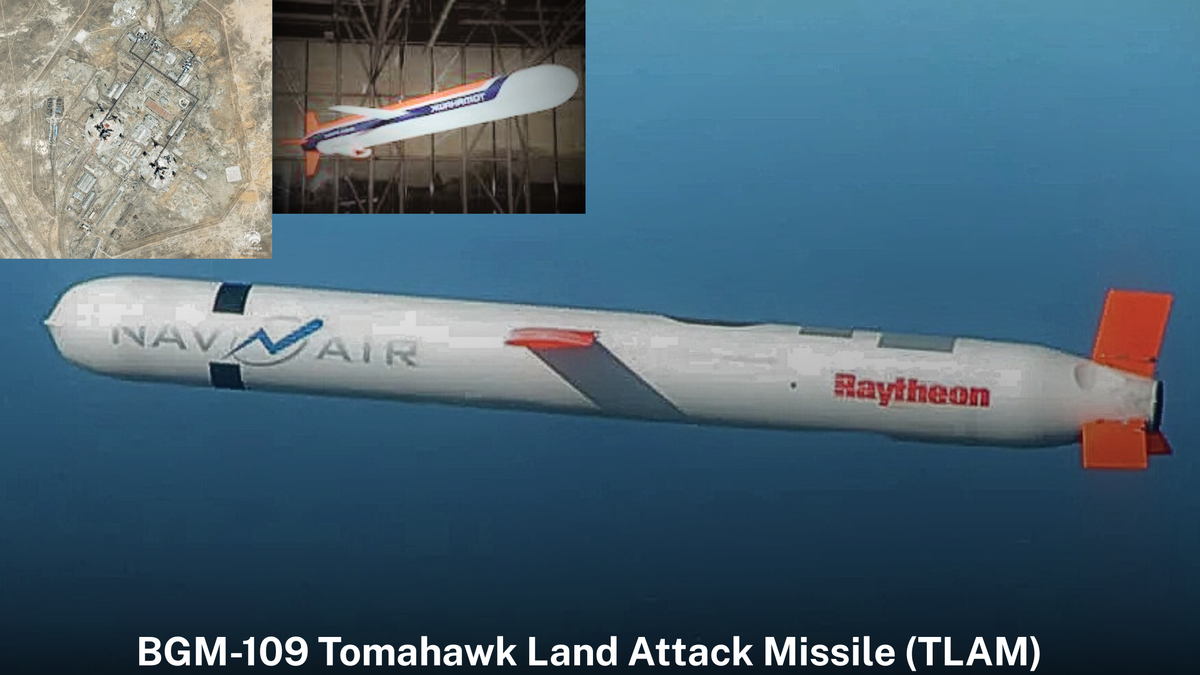
The BGM-109 Tomahawk Land Attack Missile (TLAM) is one of the world's most successful long-range cruise missiles. The TLAM is a guided missile designed by General Dynamics for the United States Navy and a stand-off strike missile.
When launched from cruisers, destroyers, submarines, and some other surface ships, it can be used for long-range precision strikes against important stationary land targets, which allows for military engagement of targets while not placing any aircraft or pilots in immediate risk from hostile airspace defenses.
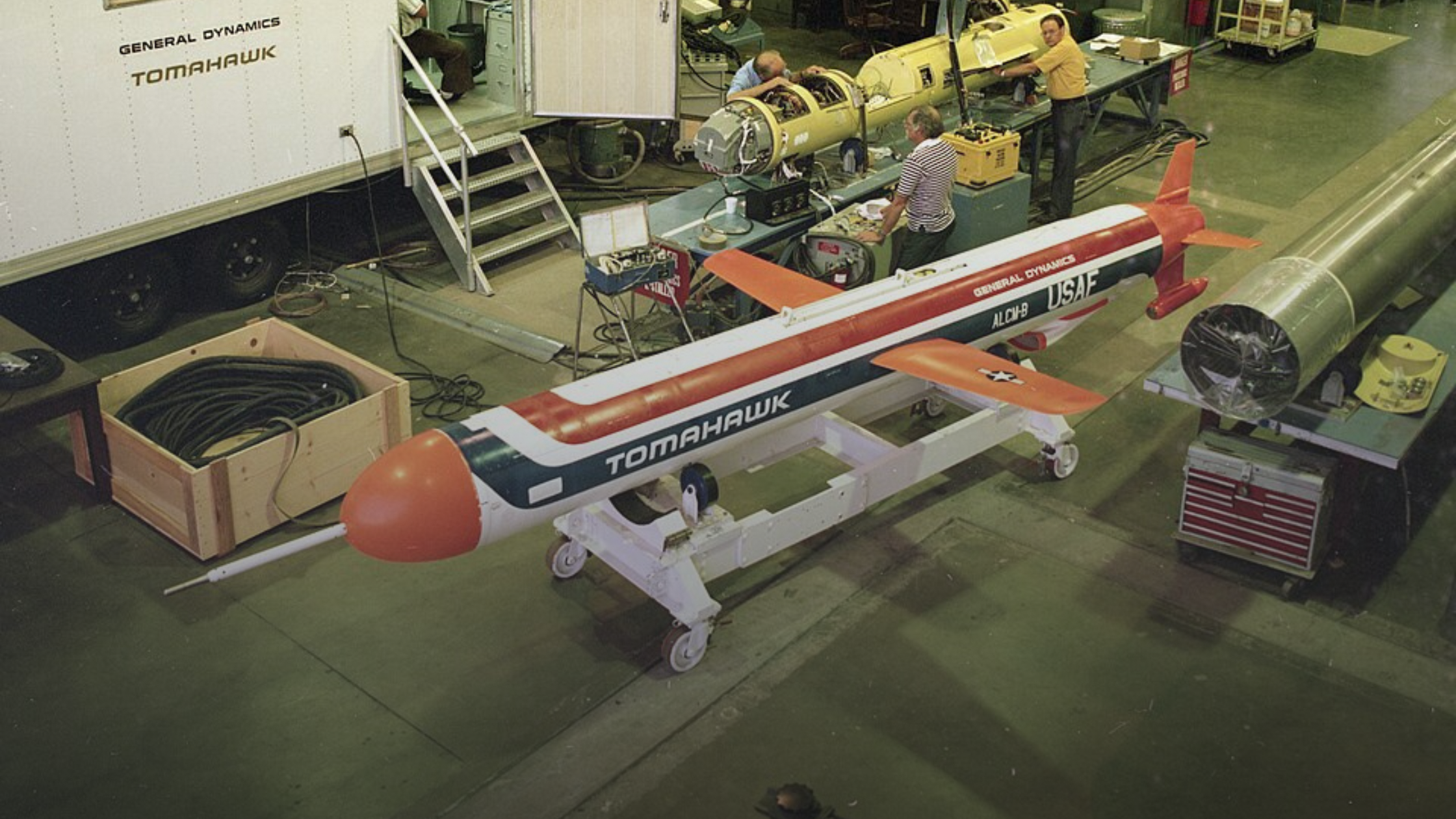
The turbofan engine-driven missile has a range of hundreds of miles with a warhead of about 1,000 pounds (450 kg).
The Tomahawk uses GPS, Inertial Navigation System, Terrain Contour Matching (TERCOM) technology, which allows the cruise missile to fly to a target by following the shape of the terrain.
A Tomahawk flying using TERCOM follows the ground at a very low altitude to avoid radar. TLAM cruise missiles may be launched from cruisers, destroyers, submarines, and attack submarines; and may be commanded after launch. Various upgrades to guidance, navigation, and target location for a TLAM are available.
Some TLAMs can have mid-course updates.
The BGM-109 Tomahawk has seen action in several modern wars and operations. One of Tomahawk’s biggest strengths is its capability to perform stand-off strikes, enabling naval forces to attack targets far beyond the range of most enemy air defense systems.
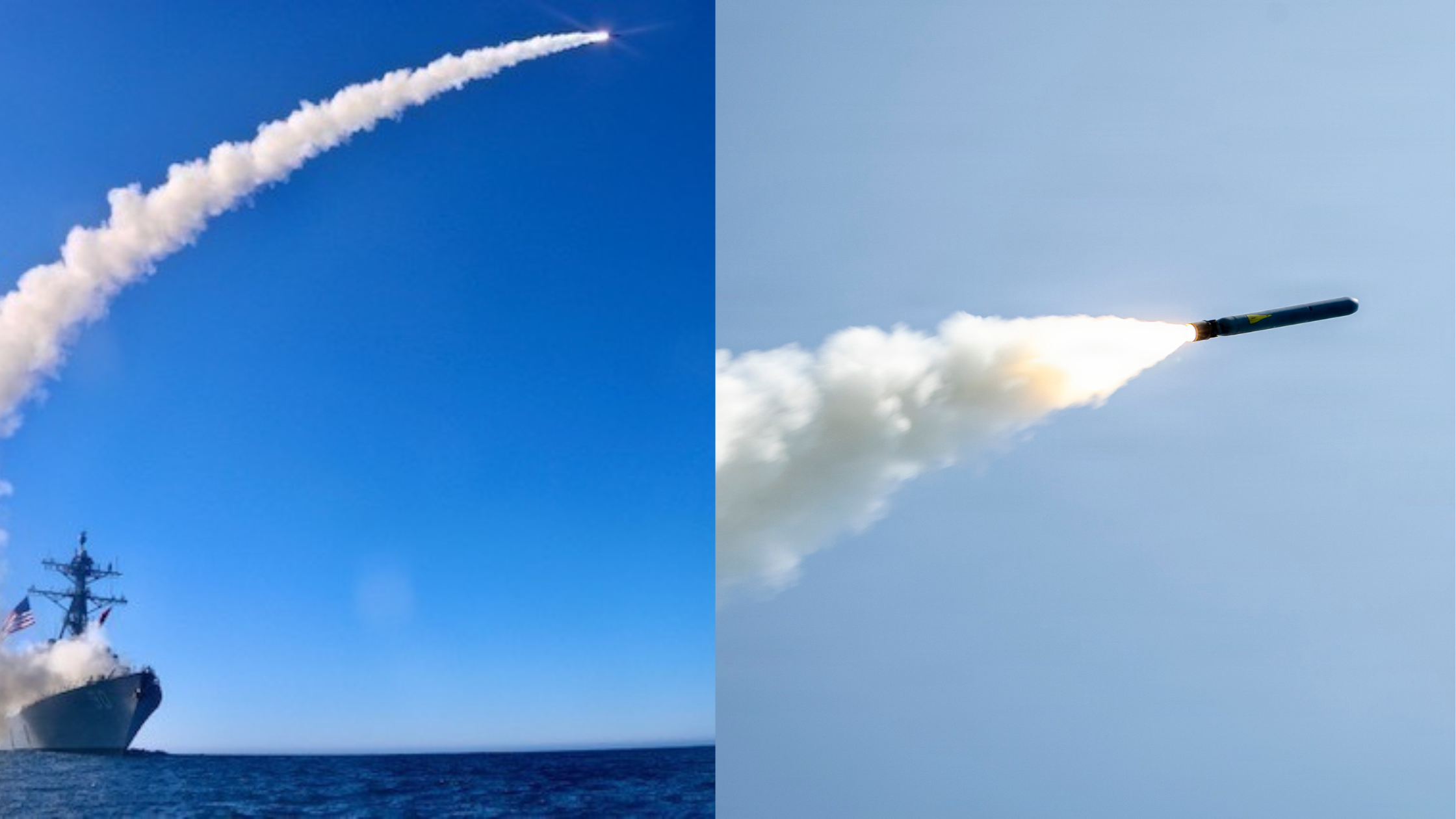
Launched from a ship’s Vertical Launch System (VLS) or a submarine’s torpedo tube, the missile can traverse a long range using a low-altitude, terrain-hugging trajectory. This capability minimizes risk to friendly aircraft and crews while simultaneously allowing precision attacks against strategic military assets without undue risk to own forces.
The BGM-109 Tomahawk is also a subject of constant improvement and upgrades in navigation, communication, and flight management capabilities.
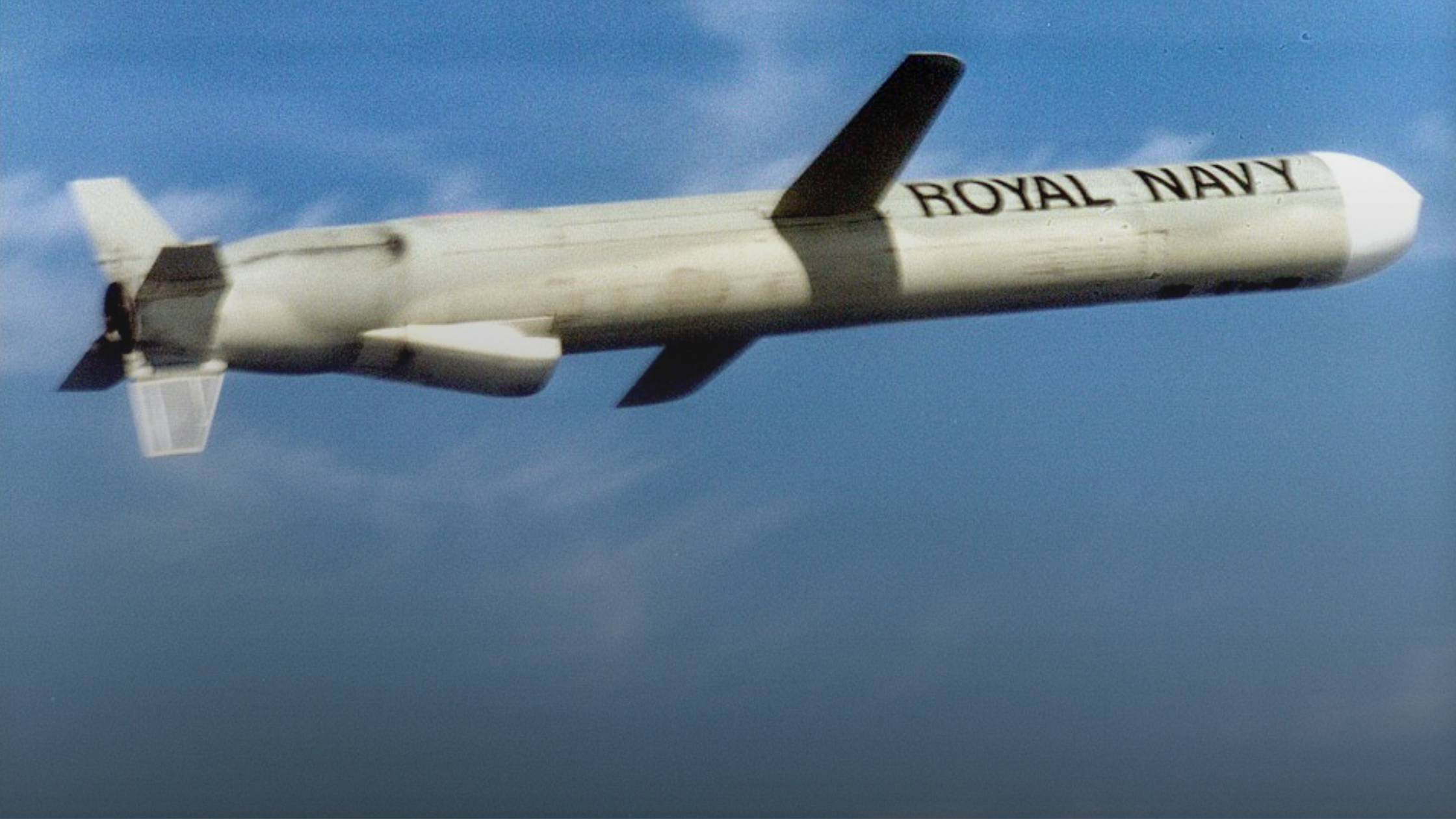
Its later models can be updated mid-course to alter targets, mission profile, or trajectory in case battle conditions evolve mid-course. In the context of the future battlefield that requires precision weapons and network operations to succeed, Tomahawk will remain indispensable to the US Navy’s long-range precision strike ability.
Author: Kevin Macmellon