Anduril Industries: The Company Behind Modern Drone Warfare and AI-Powered Defense
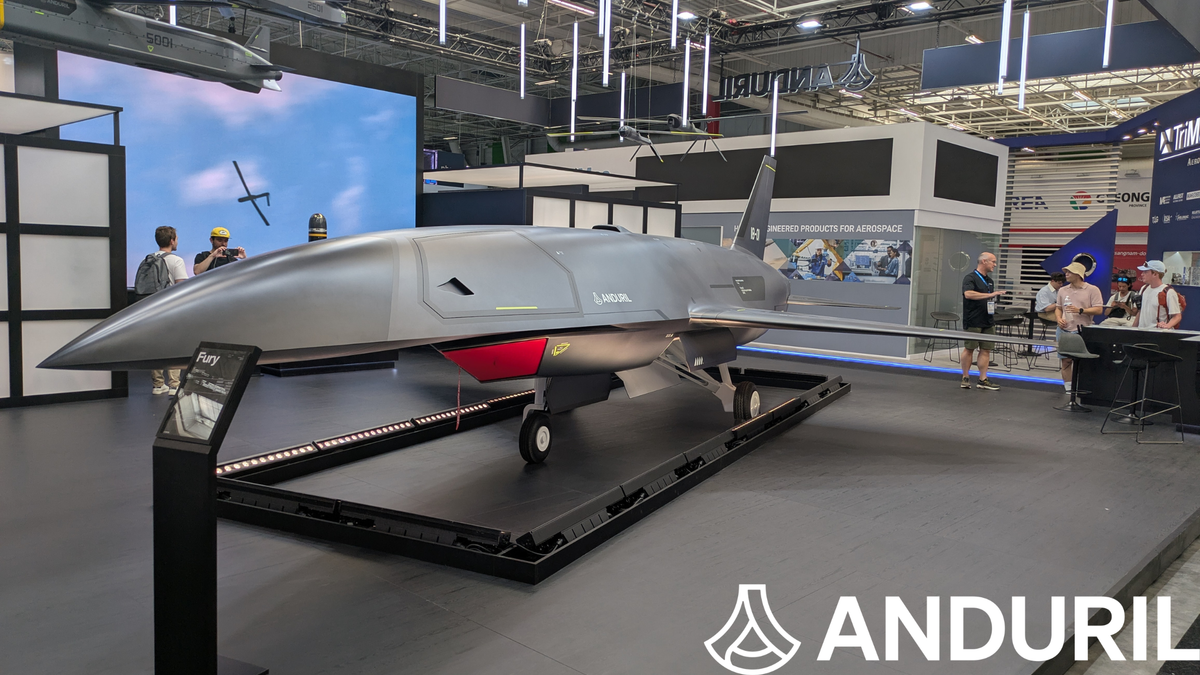
Anduril Industries is an American defense technology firm founded in 2017 whose goal is to create state-of-the-art autonomous systems, AI, and software for today’s warfare and national security efforts. Instead of traditional arms, they combine AI, robotics, autonomous vehicles, and sensor systems that work together to provide situational awareness and enable faster, smarter decisions for military operators.
The most well-known technology the company offers is Lattice, its AI-powered software that pulls data from cameras, radar systems, drones, ground sensors, and other authorized inputs to deliver an integrated, single view of operations.
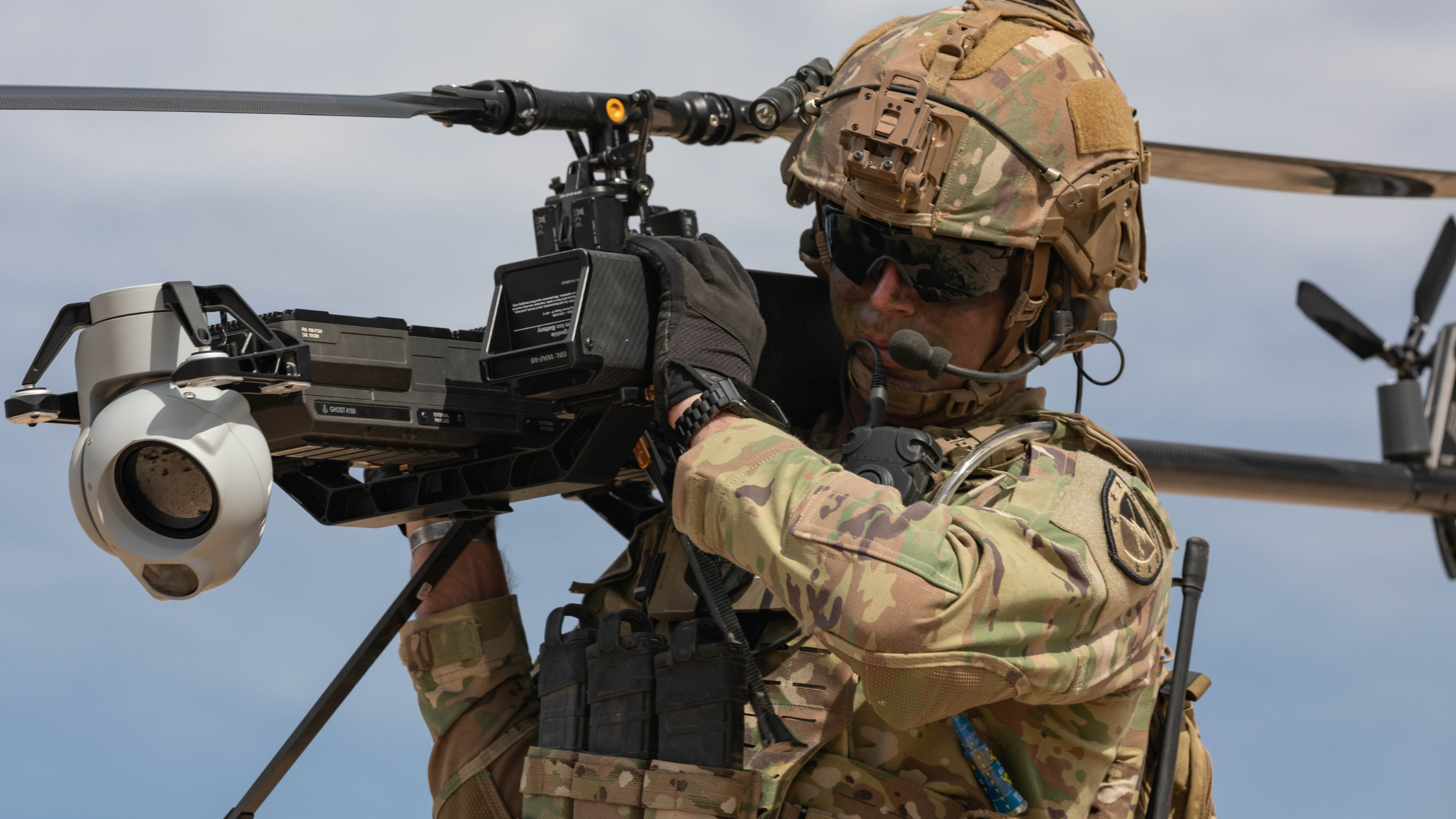
Lattice uses artificial intelligence to help operators manage events, recognize targets and coordinate actions across multiple dimensions, but humans are still responsible for operational decision-making.
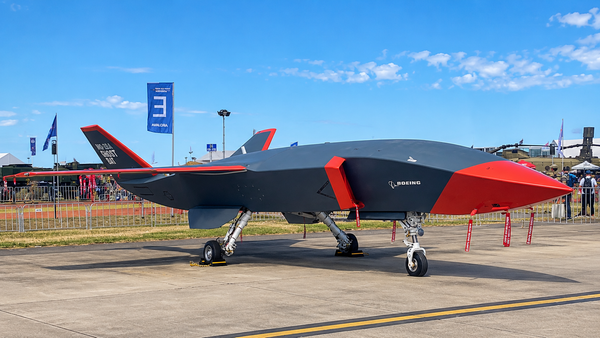
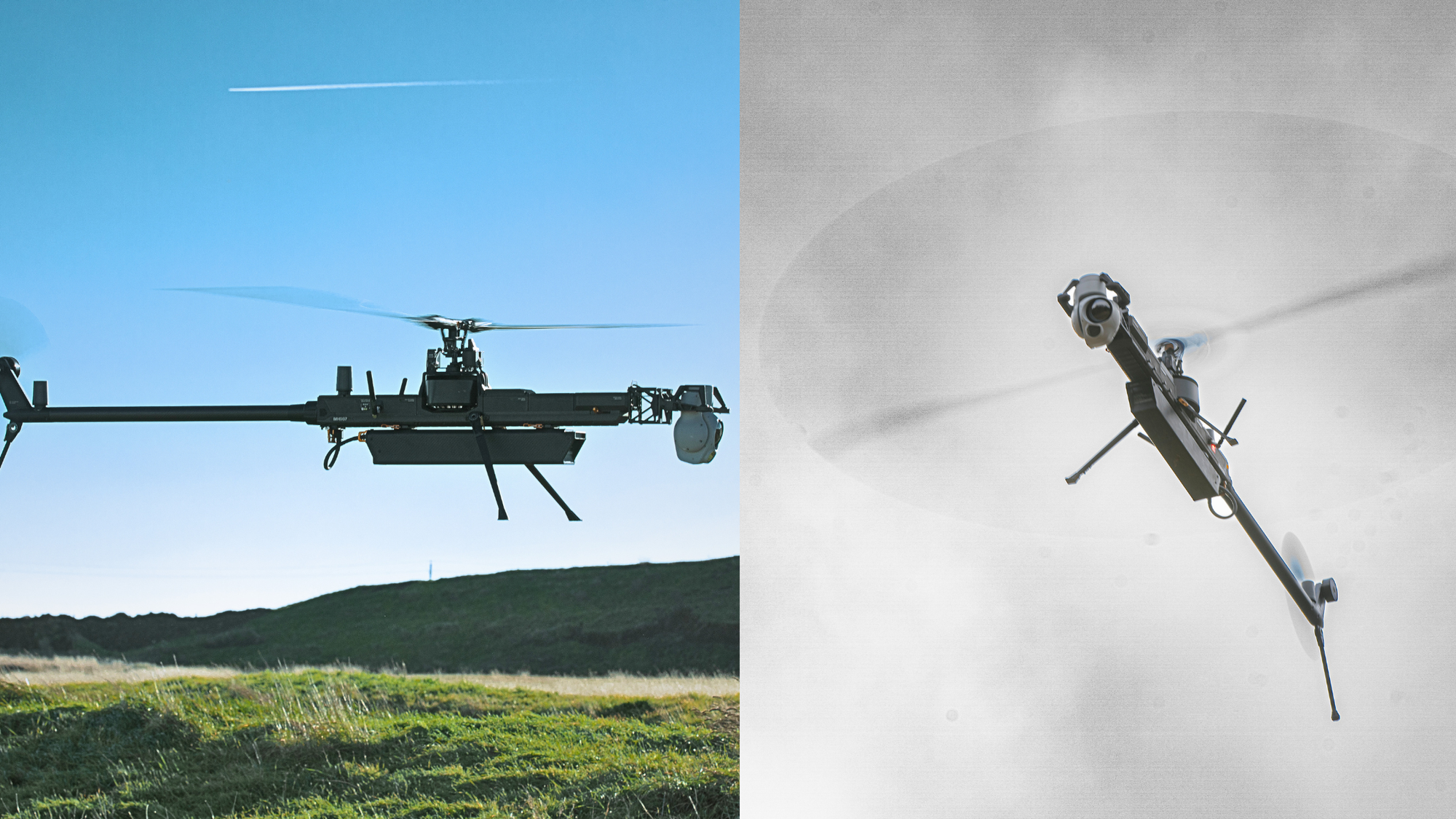
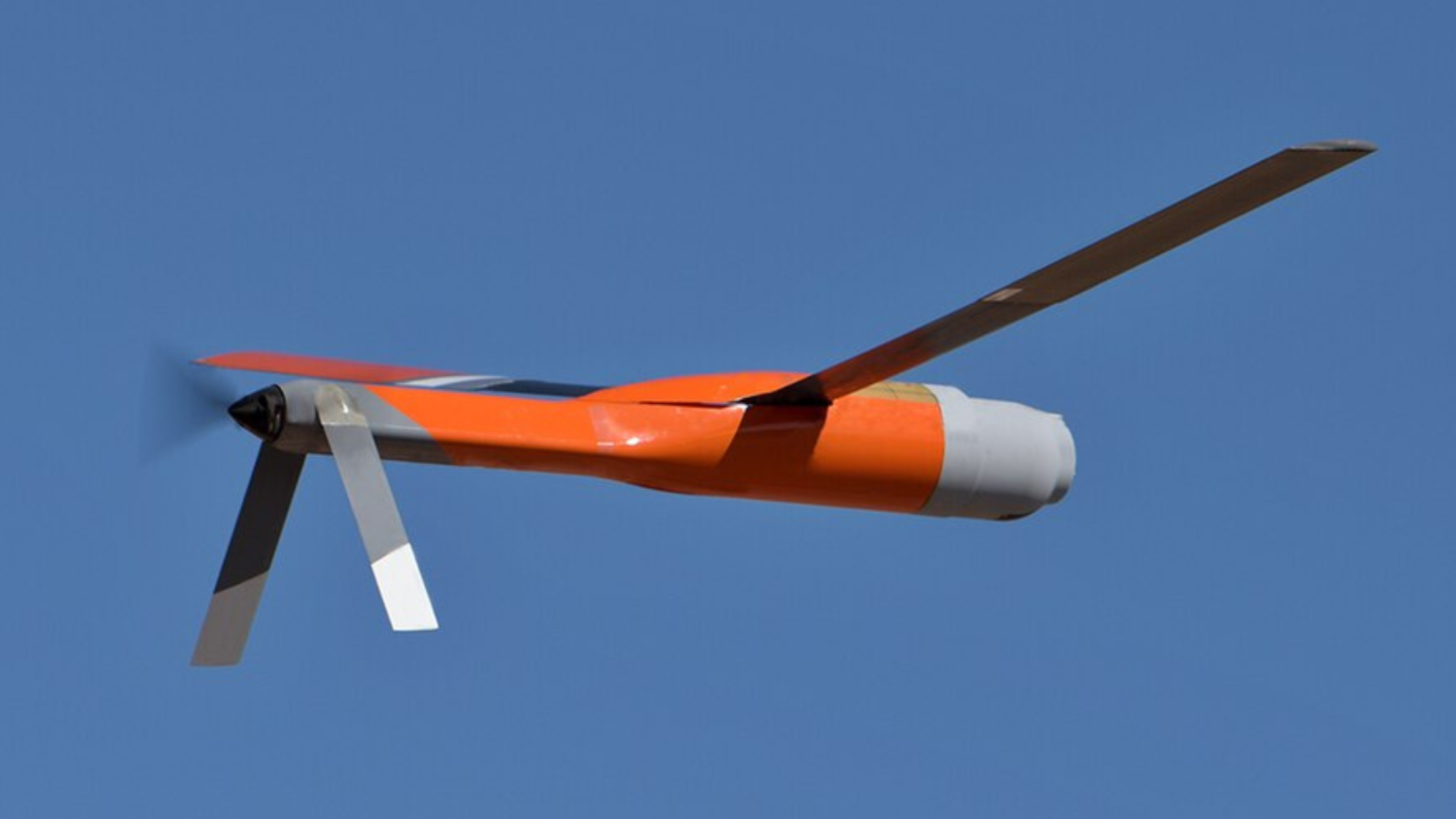
The company’s product portfolio also features several unmanned systems that are designed for applications like intelligence, surveillance, and reconnaissance (ISR); border security; and force protection. These include aerial drones, unmanned maritime vessels, unmanned ground towers, and anti-drone technologies that support operations in diverse environments.
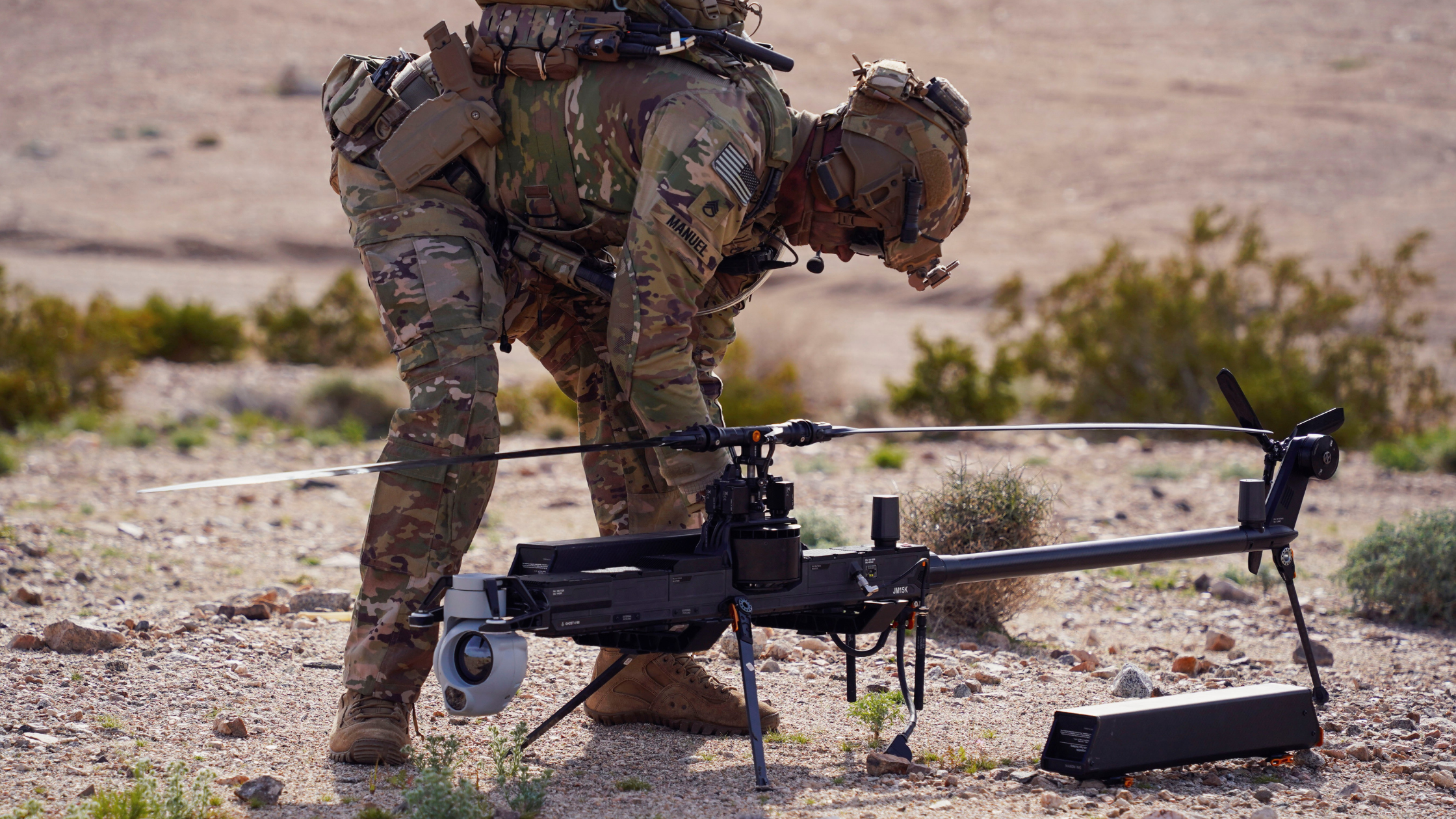
Anduril differs from traditional defense companies, which may sell air, ground, or sea combat vehicles and systems; instead, they are building software-based defense capabilities. At the core of many Anduril products is artificial intelligence, machine learning, cloud-based systems, and autonomy to help humans process and better understand vast amounts of data and to see more of the operational environment.
As autonomous technologies have developed, Anduril has become one of the fastest-growing companies in the defense space, and its technology has been deployed in support of national defense, homeland security and infrastructure protection, based on publicly available data.
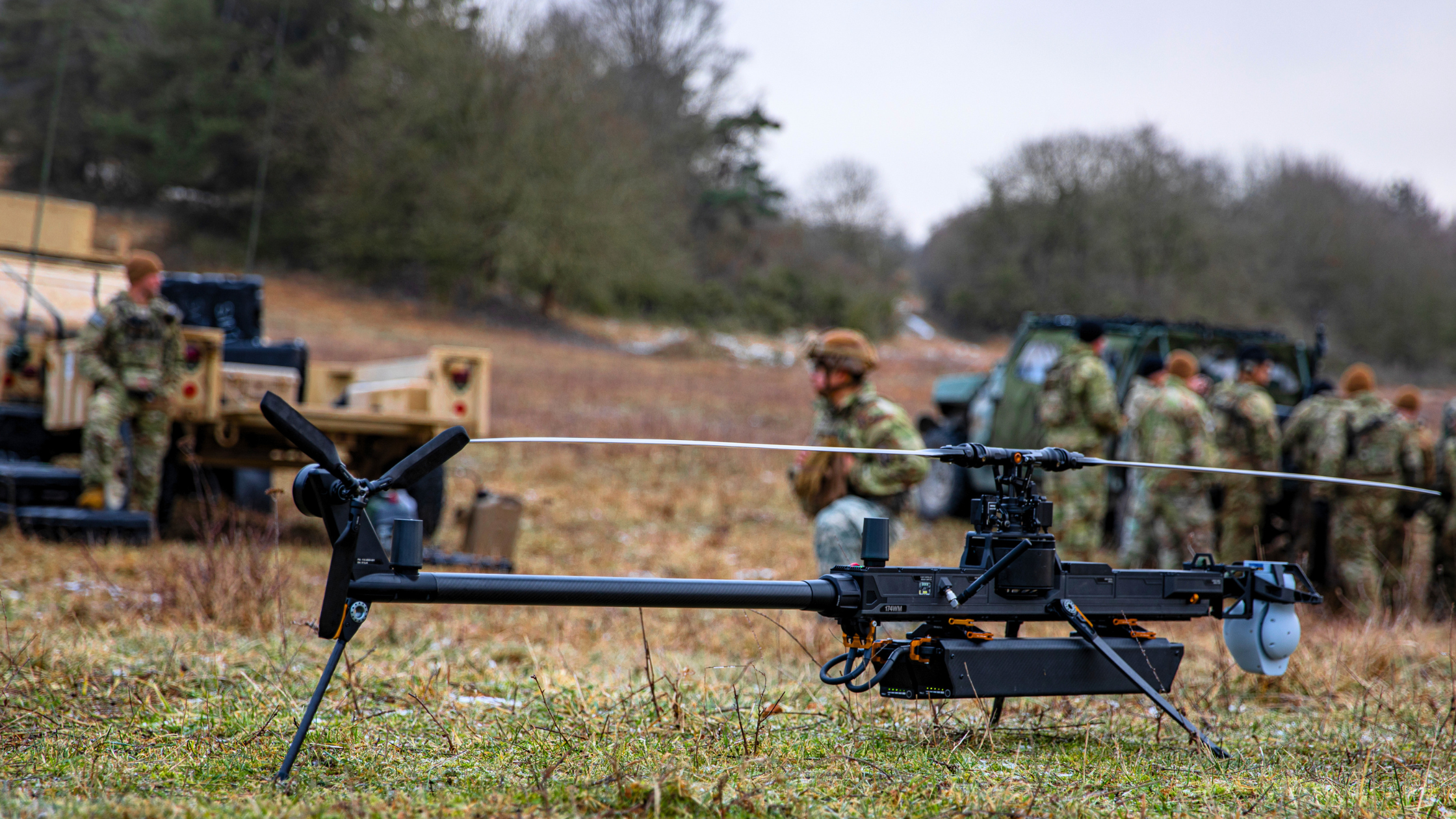
With more data coming in from military organizations, these autonomous systems play a bigger role, with a wider variety of information coming in from the satellites, the drones, the radar systems, and other sensors.
These systems, in this case a system called Lattice, manufactured by Anduril, allow operators to sort through the data and put it into a single place for analysis and communication among the mission set, not to remove the people from the systems, but rather to take off the drudgery work that human personnel might not need to do. This will lead to faster analysis and also allows for a better coordinated approach to the operational environment.
This kind of capability is now growing at the Air Force, Navy, and Marine Corps.
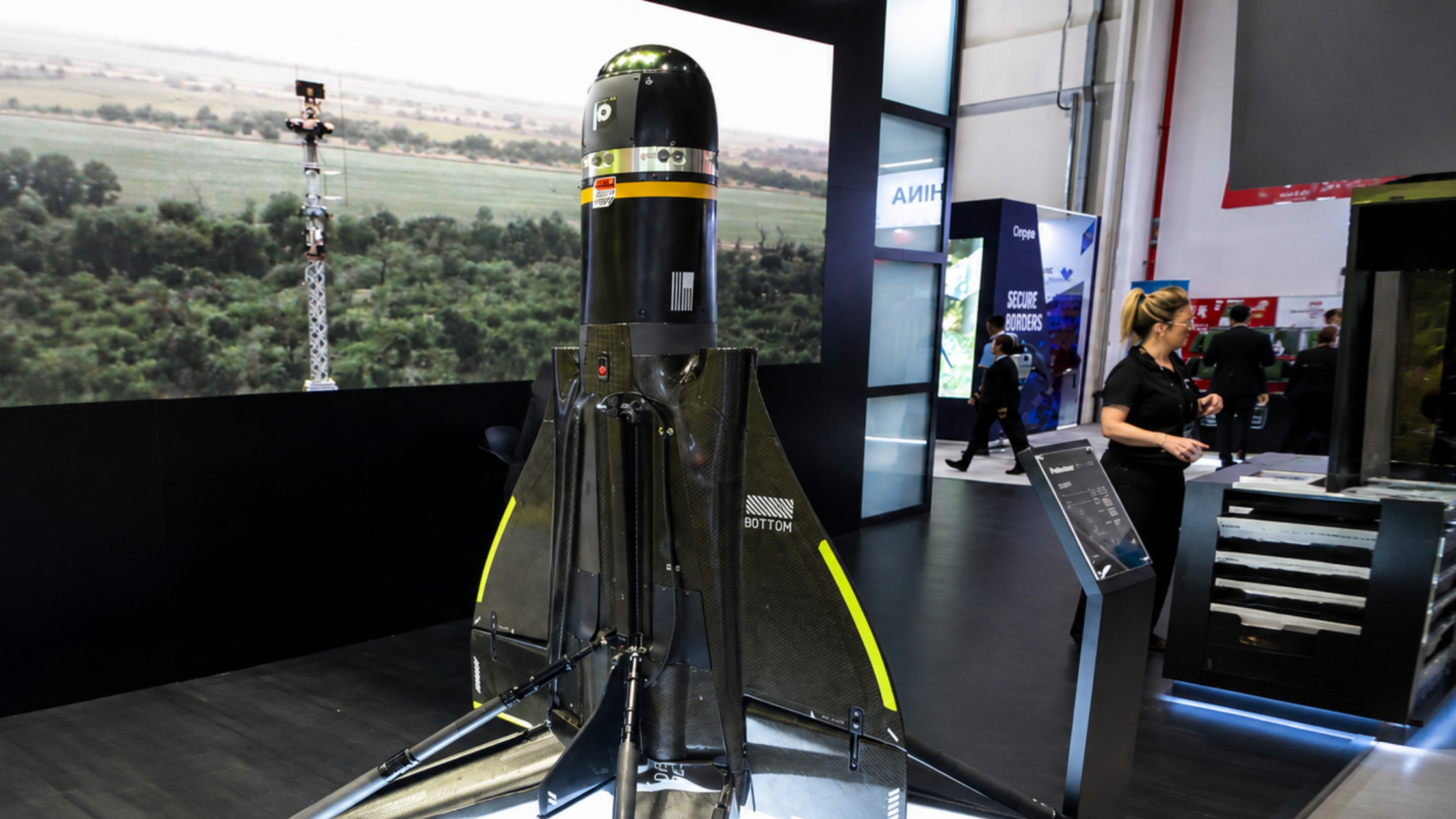
The Army will follow, according to one observer. "You don’t know yet whether there are going to be significant new military systems there, but it looks as though at some point it is going to be important for everyone," he added. Meanwhile, Anduril is growing with other technologies for air, sea, border, and ground systems to its arsenal of capabilities.
Its focus on artificial intelligence, unmanned autonomous vehicles, and interconnected sensor systems indicates a move within the Defense Department, and the broader defense sector, toward what have become termed software-based systems.
Government investment in both of these types of technologies, according to observers, is likely to bring several additional such companies to the fore.
Author: Kevin Macmellon