US Navy Awards $76.6 Billion Submarine Contracts to HII and General Dynamics
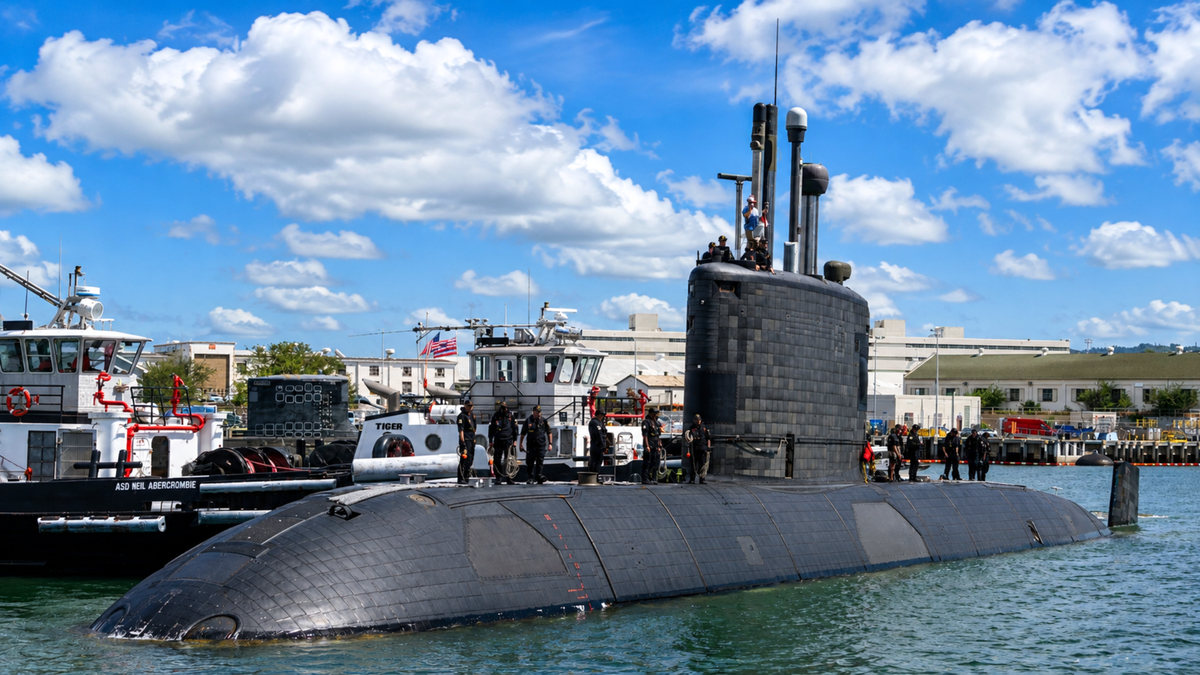
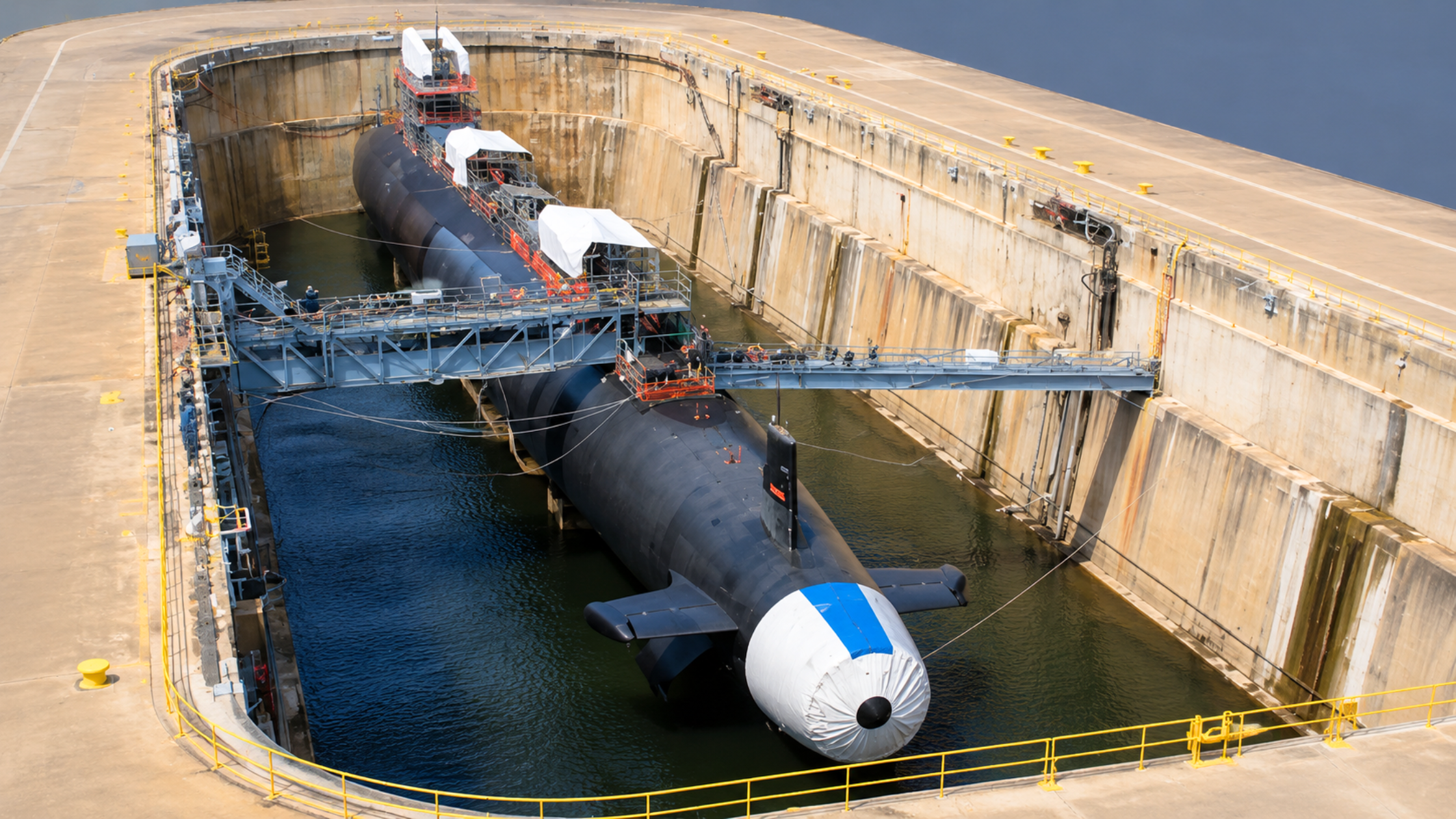
The U.S. Navy has awarded a combined $76.6 billion package to General Dynamics Electric Boat and HII’s Newport News Shipbuilding for the next generation of nuclear-powered submarines. The award covers 14 submarines, marking one of the largest investments in the U.S. undersea fleet.
The package includes nine Virginia-class attack submarines and five Columbia-class ballistic missile submarines, along with previously awarded investments aimed at improving shipyard productivity. The contracts are intended to strengthen U.S. submarine production and support the Navy’s long-term undersea strategy.
$42.1 Billion for Virginia-Class Submarines
About $42.1 billion of the package covers nine Block VI Virginia-class attack submarines, plus material for another boat. These submarines are designed for missions including anti-submarine warfare, intelligence collection, special operations support and long-range strike.
The new Block VI boats will continue the Virginia-class production line and incorporate the program's evolving capabilities. The Virginia-class is being built jointly by Electric Boat and Newport News Shipbuilding, with the two companies dividing major construction work between their facilities.
$29.5 Billion for Columbia-Class Ballistic Submarines
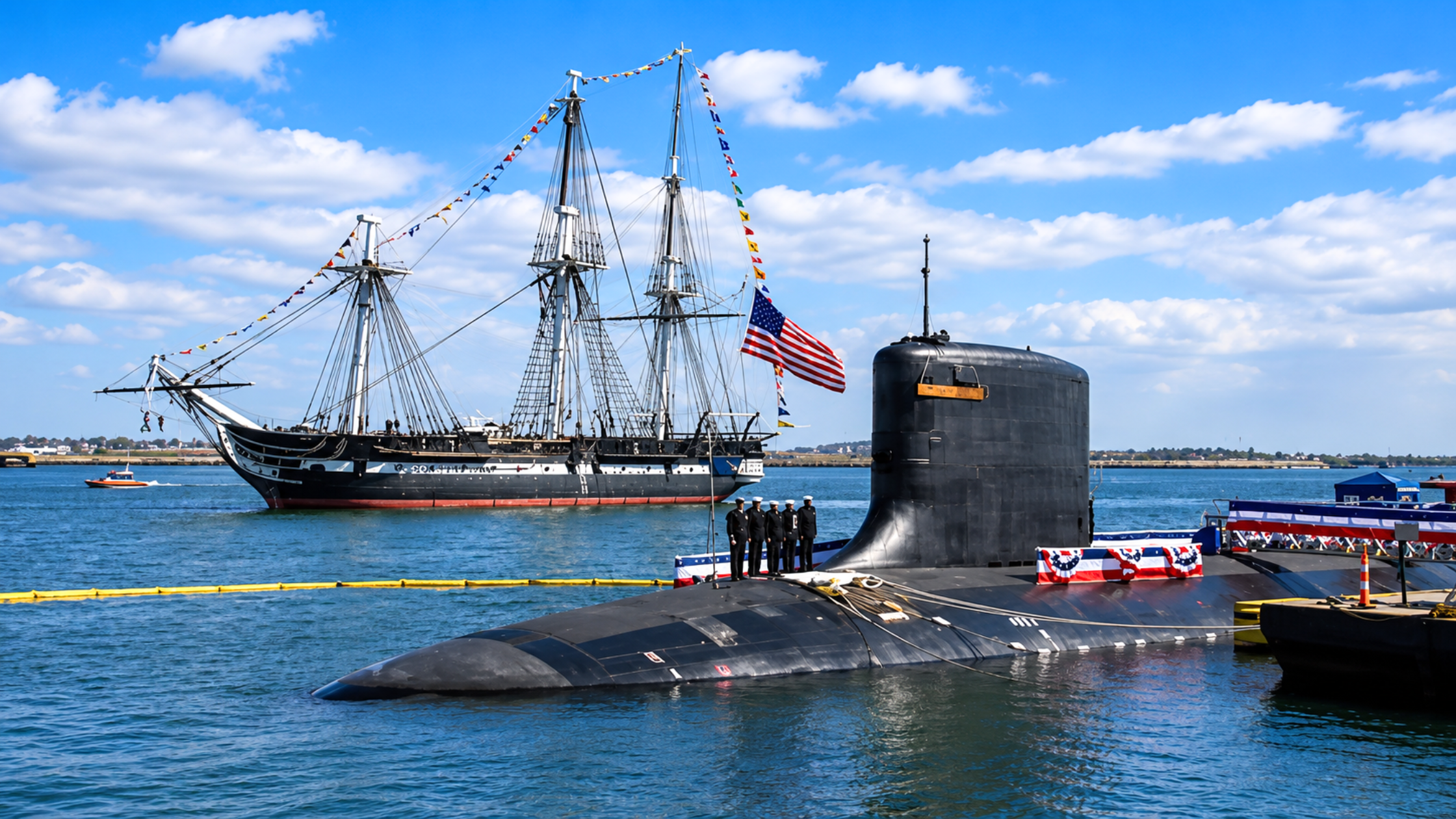
Another $29.5 billion is allocated for five additional Columbia-class ballistic missile submarines. The Columbia class is designed to replace the Navy’s aging Ohio-class ballistic missile submarines and will form the sea-based component of the U.S. nuclear triad.
The submarines will carry the Navy’s Trident II D5 ballistic missiles and are intended to provide a survivable nuclear deterrent. Electric Boat leads the Columbia-class program while Newport News Shipbuilding produces major sections and modules as its construction partner.
Newport News Shipbuilding Gets Major Role
Newport News Shipbuilding, an HII division, is a major partner in both submarine programs. For the Virginia-class boats covered by the new package, NNS will serve as the delivery yard for six of the nine submarines.
NNS also produces major modules for the Columbia-class submarines, including six module sections per submarine. The company works alongside Electric Boat, which builds other major sections, including the central reactor-containing portions.
$5 Billion Goes Toward Shipyard Capacity
The overall $76.6 billion figure also includes roughly $5 billion for shipbuilder productivity and infrastructure improvements. The money is intended to help the two shipbuilders expand capacity, modernize facilities, and strengthen the workforce needed for sustained submarine production.
That investment is particularly important because the submarine industry has faced worker shortages, supply-chain problems, and construction delays. A recent Government Accountability Office assessment found that Virginia-class production had been running at roughly one submarine per year, below the Navy’s long-term target of two annually.
Submarine Production Faces Major Challenges
The huge contract provides long-term demand for shipyards and thousands of suppliers, but the money alone does not immediately solve production problems. The submarine industry has struggled to recruit experienced workers and recover from material and schedule disruptions.
The Navy and industry ultimately want to reach a sustained production rate of two Virginia-class submarines and one Columbia-class submarine per year. The latest contracts are intended to provide the financial certainty needed to expand the industrial base and support that production goal.
Strategic Investment in US Undersea Power
The contract is part of a broader effort to strengthen America's undersea forces and recapitalize the nuclear triad. Attack submarines provide covert conventional strike and intelligence capabilities, while ballistic missile submarines provide the Navy's most survivable nuclear deterrent.
The scale of the investment also reflects Washington's concern about maintaining U.S. naval power as China expands its own submarine and maritime capabilities. But delivering all 14 submarines on schedule will depend heavily on whether the Navy and shipbuilders can overcome the workforce, supply-chain, and production problems that have slowed the program in recent years.
Author: Kevin Macmellon