
US Considers ‘Mother of All Bombs’ in Potential Iran Strike Plans, CNN Reports

US military has developed potential strike plans that could involve the GBU-43/B Massive Ordnance Air Blast (MOAB), commonly known as the “Mother of All Bombs,” against Iranian energy infrastructure and nuclear sites, according to a CNN report published on October 14, 2026.
The report, which cites US officials familiar with military planning, says the options could be considered if President Donald Trump orders combat operations against Iran to resume. However, the reported planning does not confirm that the president has authorised a strike or that the weapon will be deployed.
In its coverage of CNN’s report on October 15, Reuters said it could not immediately independently verify the information. CNN’s sources also raised questions about whether using the weapon would achieve Washington’s wider military objectives.
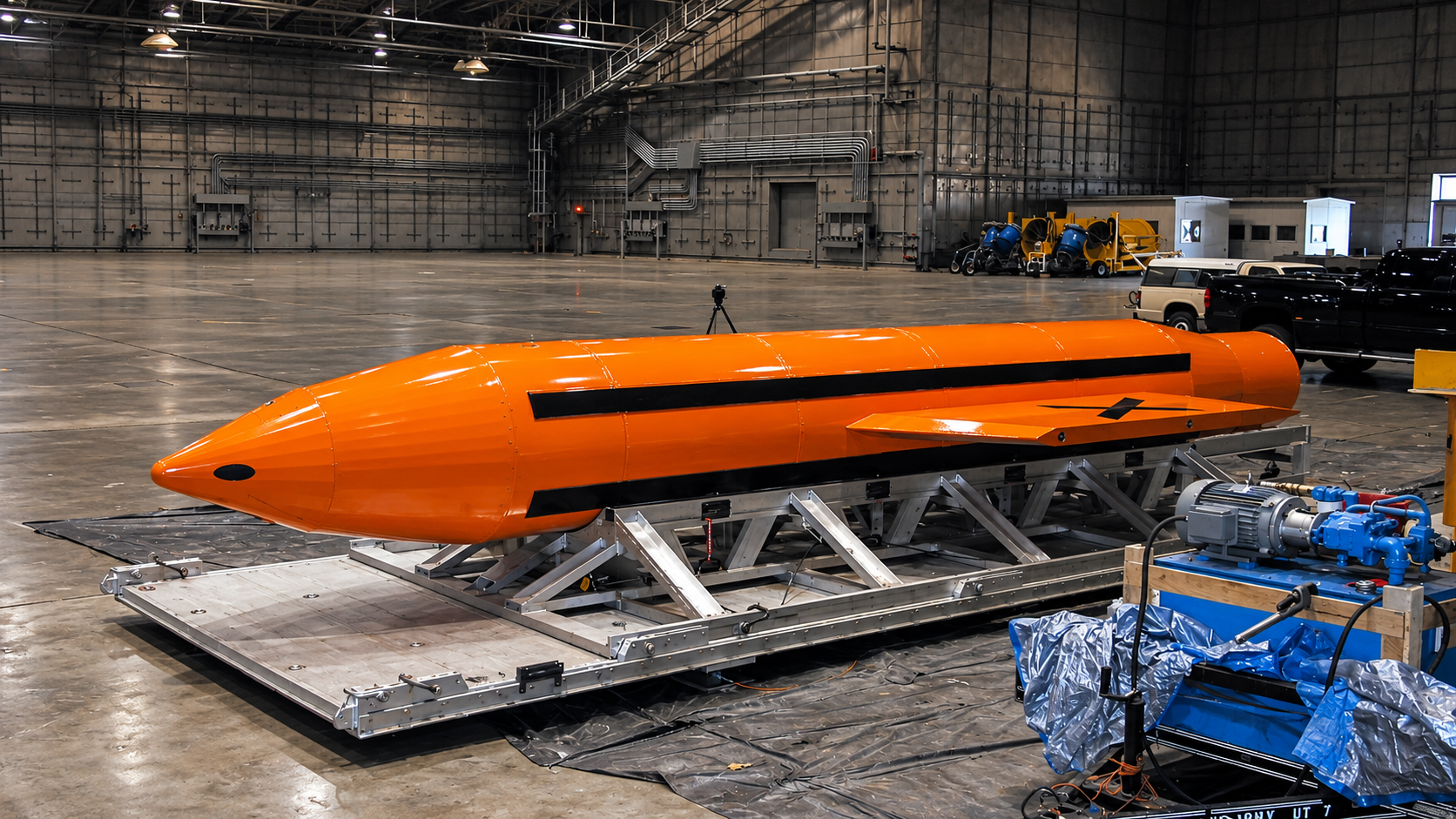
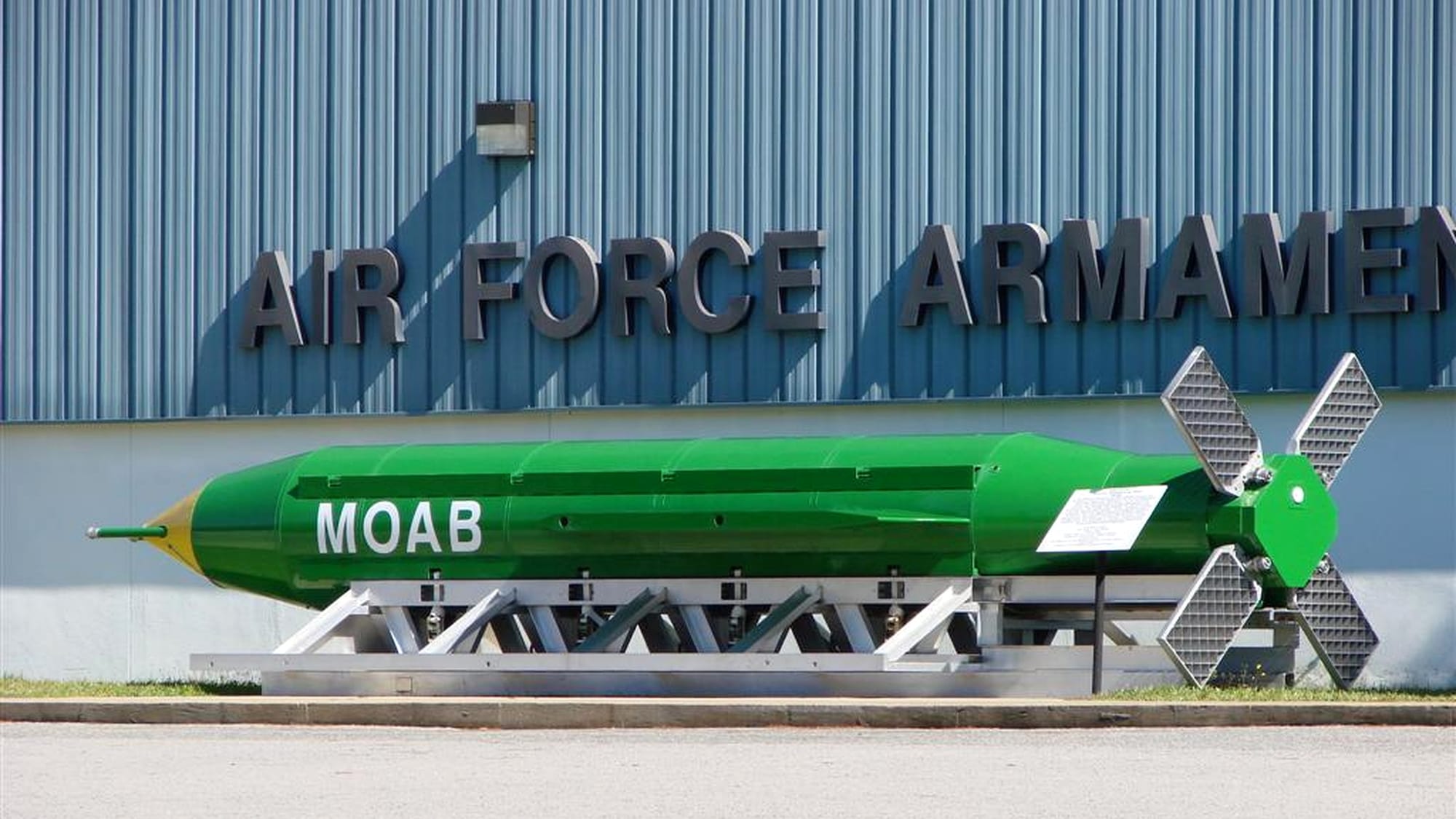
What Is the GBU-43/B MOAB?
The GBU-43/B is a large, GPS-guided conventional bomb developed for the US military. Its official name is Massive Ordnance Air Blast, while MOAB is the abbreviation commonly associated with its widely reported nickname.
The United States first used the MOAB in combat in Afghanistan in April 2017, targeting an Islamic State-linked tunnel complex. Its potential use in Iran would represent a different operational situation, involving different targets and strategic considerations.
Why Underground Nuclear Sites Pose a Challenge
Iran’s nuclear infrastructure includes facilities that have attracted international attention because of their locations and protective construction. Deeply buried installations can be difficult to damage, depending on their depth, surrounding geology, and structural design.
MOAB is primarily designed for blast effects against surface and area targets. It should not automatically be described as capable of destroying deeply buried nuclear facilities. The effectiveness of any strike would depend on the specific target and the weapon selected.
CNN’s report highlights uncertainty among officials familiar with the planning discussions about whether using the MOAB would materially advance US objectives. That question is important because damaging a facility’s surface infrastructure is not necessarily the same as eliminating the capabilities located underground.
Energy Infrastructure Could Be Part of the Plans
The reported options also include Iranian energy infrastructure. Such facilities can have economic and strategic importance, but attacks on them may also disrupt services and affect civilians.
The consequences would depend on the specific target, its role in the energy network, and its proximity to populated areas. Any proposed operation would also raise questions about civilian harm, regional escalation and the broader effects on the conflict.
No Confirmed Decision to Deploy the Weapon
The reported plans illustrate the military options being considered as Washington weighs its next steps toward Iran. They do not establish that a new strike is imminent, that a target list has been finalised or that the MOAB has been selected for operational use.
For now, the potential use of the MOAB remains a reported option. Further confirmed information from US officials would be needed to establish whether the weapon will be deployed and what objectives any future operation would seek to achieve.
Author: Kevin Macmellon