US Fires More Than 1,300 Tactical Ballistic Missiles in Major Iran Conflict
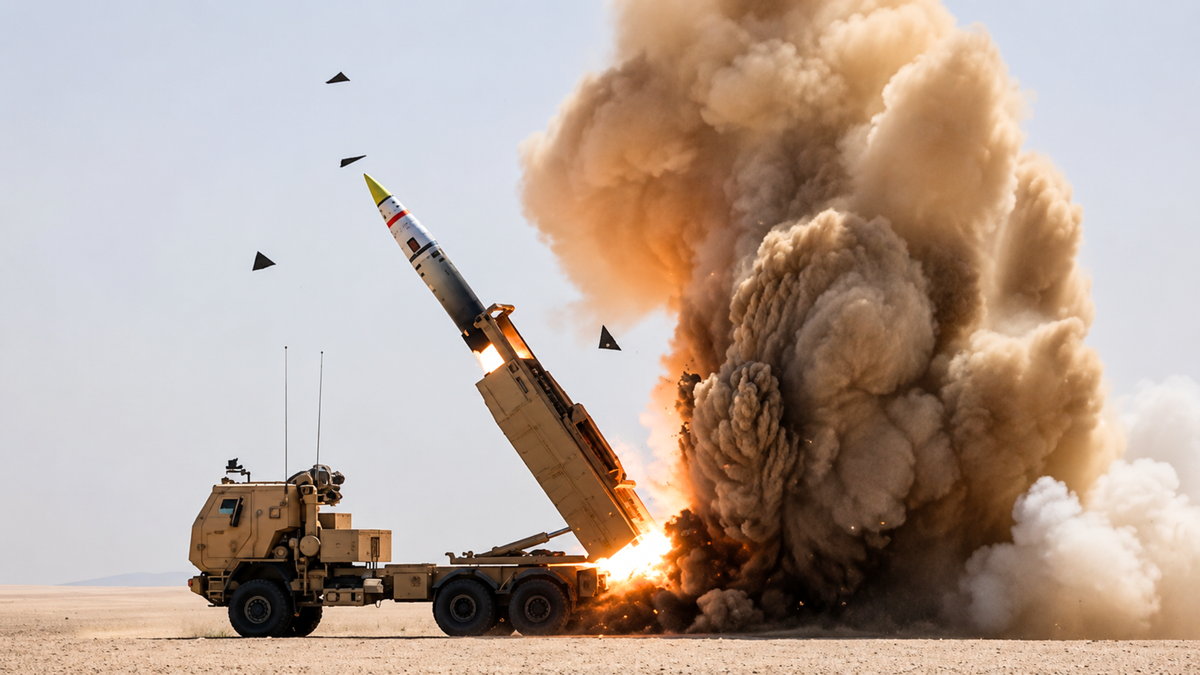
The U.S. military fired more than 1,300 tactical ballistic missiles during its war with Iran, according to a U.S. official cited by The Washington Post. The weapons were used during the first weeks of the conflict as American forces conducted large-scale strikes against Iranian targets.
The figure highlights the extraordinary pace at which the U.S. consumed precision-guided weapons during the campaign. The expenditure has since raised concerns about how quickly American missile inventories can be replenished.
Army Tactical Missiles Played a Major Role
The weapons included missiles from the U.S. Army's tactical ballistic missile arsenal. These systems provide commanders with the ability to strike targets at extended ranges without sending aircraft directly into heavily defended areas.
Using such weapons in large numbers allowed U.S. forces to maintain pressure on Iranian military infrastructure while reducing the need for manned aircraft to conduct every long-range strike.
Tomahawk Use Added to the Demand
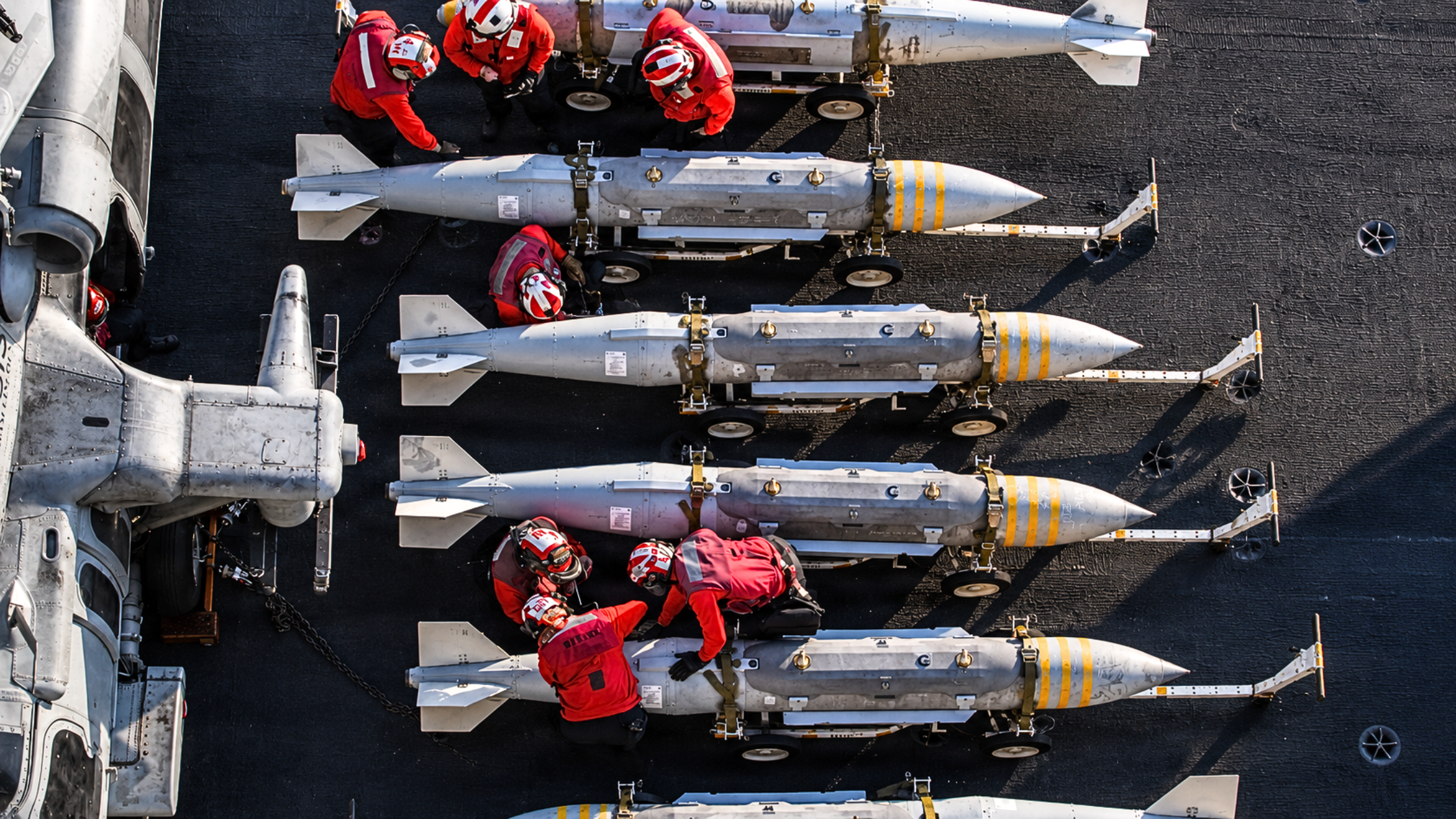
The tactical ballistic missiles were only part of the U.S. expenditure. The military also fired more than 850 Tomahawk cruise missiles during the first month of the conflict, according to reporting cited by multiple outlets.
At the same time, U.S. forces used large numbers of air-defense interceptors against Iranian missile attacks. Reuters reported that the conflict had nearly exhausted the U.S. stockpile of several long-range precision weapons, including Army Tactical Missile Systems and Precision Strike Missiles.
Missile Stockpiles Under Pressure
The heavy expenditure has put significant pressure on U.S. missile inventories. A CSIS assessment found that U.S. Patriot inventories had fallen below 1,000, while THAAD inventories stood at roughly 250 following extensive use during the conflict.
The concern extends beyond offensive weapons. Patriot and THAAD interceptors are critical to protecting U.S. forces and bases from incoming ballistic missiles, meaning depleted stocks could affect the Pentagon's ability to sustain another major conflict.
Pentagon Pushes for Faster Production
The depletion has prompted the Pentagon to push defense companies to increase weapons production. A Defense Department memo reportedly called for industry to submit plans for significantly faster production and delivery of critical weapons.
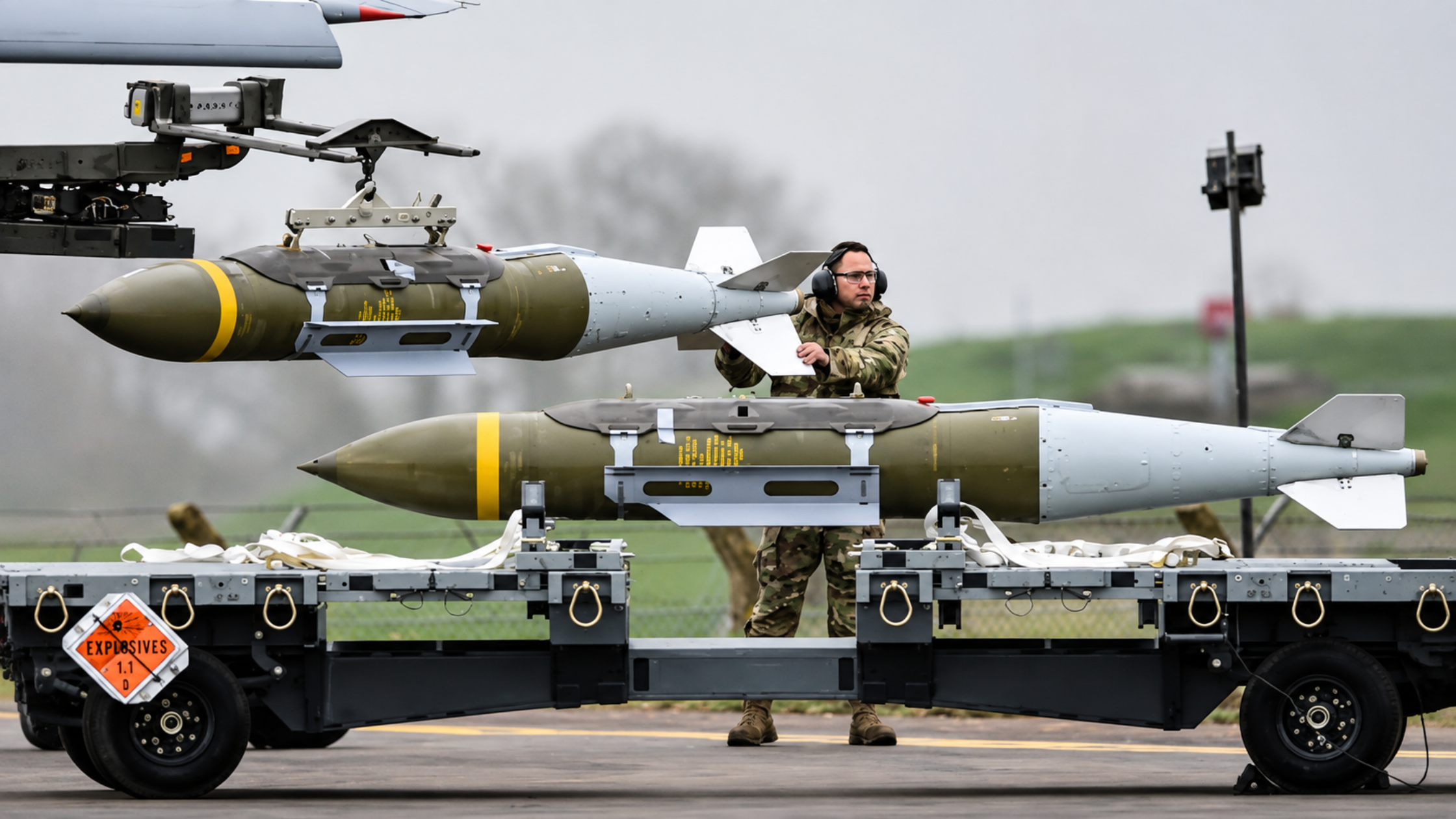
Defense manufacturers are already expanding production of systems such as Patriot, THAAD, and Precision Strike missiles. But rebuilding large inventories is expected to take years rather than months because missile production depends on specialized components, rocket motors, and limited manufacturing capacity.
Iran War Exposes US Magazine-Depth Problem
The scale of missile expenditure has raised a broader question for the Pentagon: how much ammunition can the U.S. sustain in a prolonged high-intensity conflict? The Iran campaign has consumed weapons at a rate that has put pressure on stocks needed for other potential conflicts.
The issue is particularly important as Washington continues to prepare for possible contingencies involving China and Russia. The U.S. still maintains a large and technologically advanced arsenal, but the Iran war has demonstrated how quickly even a major stockpile can be reduced when precision weapons are used at wartime rates.
Author: Kevin Macmellon