US Army Funds TALUS Autonomous Vehicle to Resupply Troops in Contested Areas
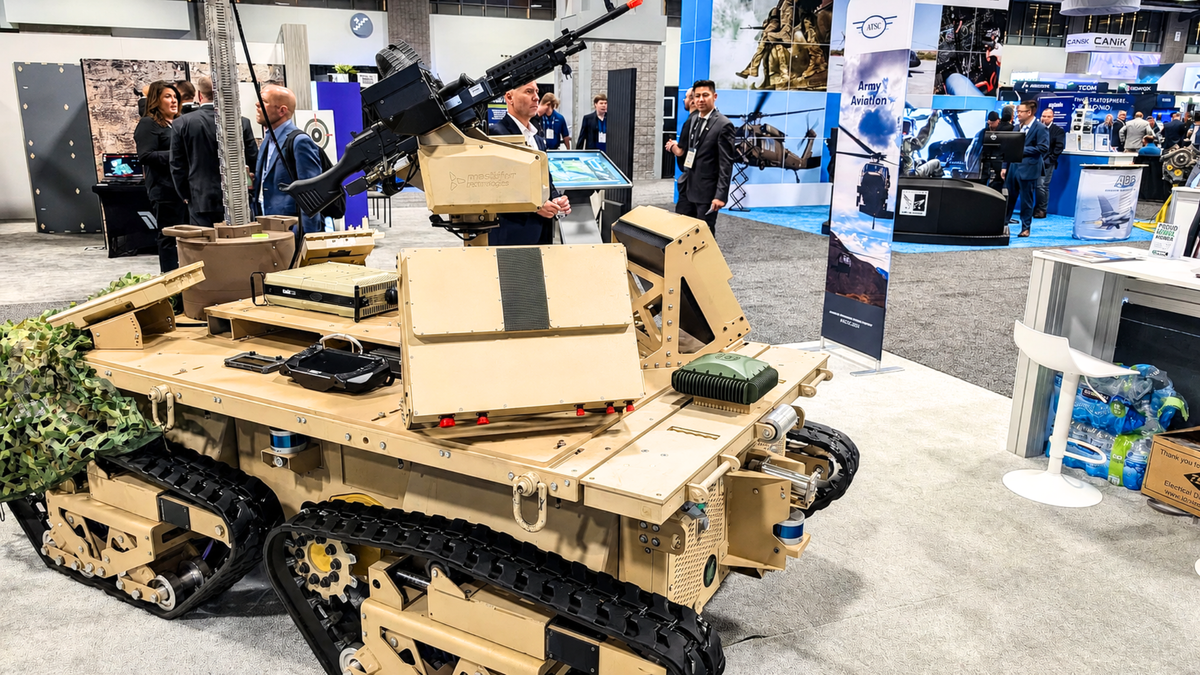
The U.S. Army is backing TALUS, an autonomous logistics vehicle designed to move supplies to troops operating in contested areas. The system is aimed at keeping frontline units supplied without requiring soldiers to make every resupply journey themselves.
The TALUS (Tactical Autonomous Logistics Utility System) is an autonomous logistics vehicle platform developed by a defense technology consortium led by Stratom, alongside partners including ND Defense, Forterra, GS Engineering, and Waltonen Engineering, with funding from the U.S. Army.
The push comes as modern battlefields become increasingly dangerous for traditional logistics vehicles. Drones, precision weapons, and persistent surveillance can make predictable supply routes vulnerable to attack.
Keeping Soldiers Out of Harm’s Way
Military resupply missions can expose drivers and support personnel to significant risks, particularly when vehicles have to travel close to the forward edge of the battlefield. An autonomous vehicle could take over some of these missions while keeping personnel farther from danger.
Moving Supplies to Distributed Units
Modern U.S. forces are increasingly expected to operate in smaller, dispersed formations rather than concentrating around a single large base. That creates a major logistics challenge: supplies still have to reach units that may be separated by significant distances.
An autonomous logistics vehicle could help bridge that gap by carrying equipment, ammunition, fuel, or other essential supplies toward forward positions. The ability to move independently could also allow manned vehicles and personnel to focus on missions that require human operators.
Built for a Contested Battlefield
The battlefield TALUS is being designed for is very different from traditional military logistics environments. Enemy drones, electronic warfare, precision fires, and surveillance systems can expose vehicles long before they reach their destination.
Part of the Army’s Robotic Push
TALUS fits into the Army's broader effort to integrate robotic and autonomous systems into ground operations. The service has been exploring unmanned platforms for logistics, reconnaissance, and other missions where automation could reduce soldier workload and risk.
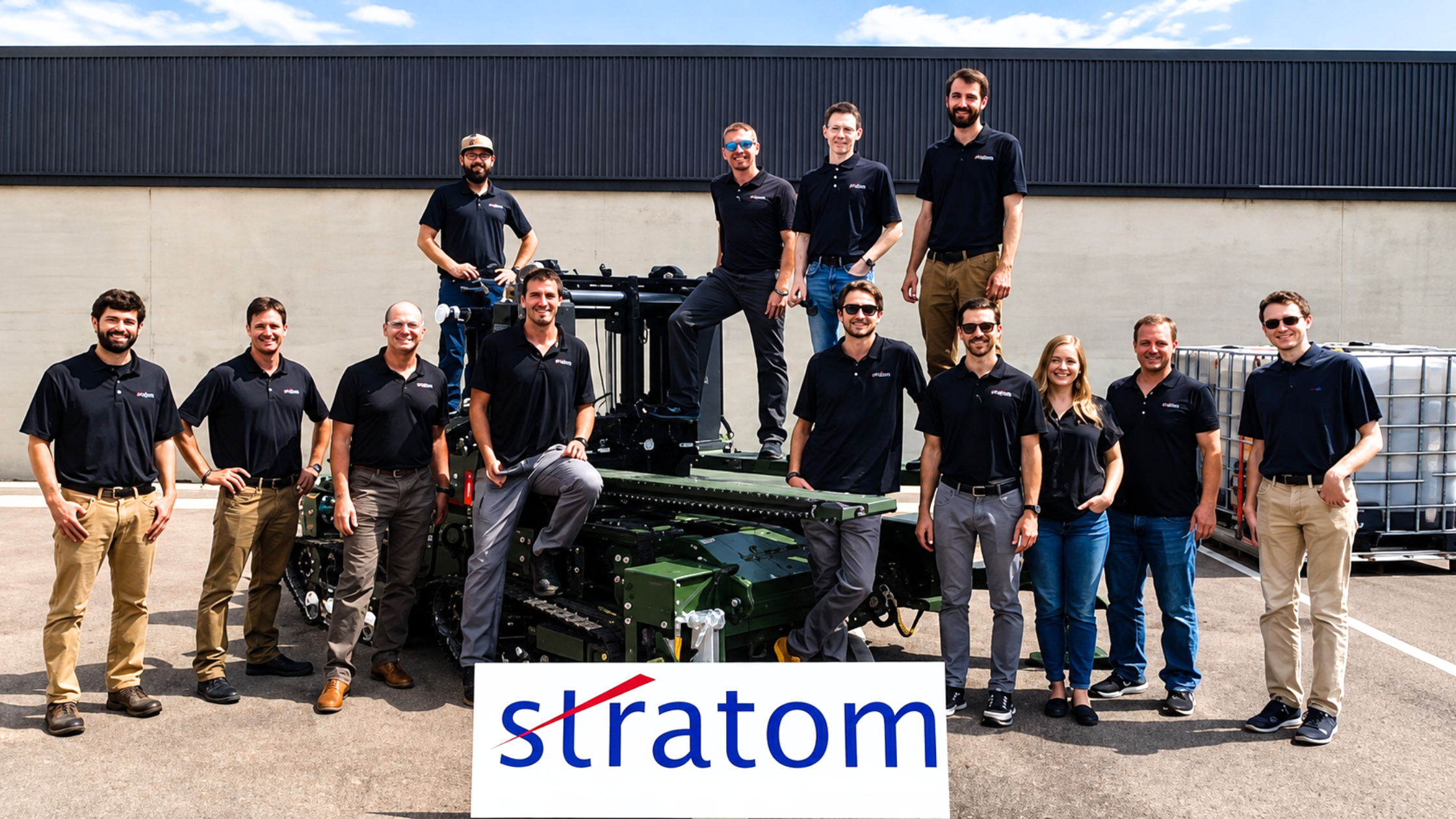
TALUS Could Reduce Soldier Exposure During Resupply
The ultimate objective is straightforward: deliver supplies while putting fewer soldiers in danger. If TALUS can reliably navigate difficult terrain and operate under contested conditions, autonomous logistics vehicles could become an important part of future Army operations.
For frontline troops, that could mean a more resilient supply chain capable of continuing to operate even when roads, bases, and traditional logistics routes are under constant threat.
Author: Kevin Macmellon