U.S. Navy’s $41 Billion Conventional Prompt Strike Program Faces Production Hurdles
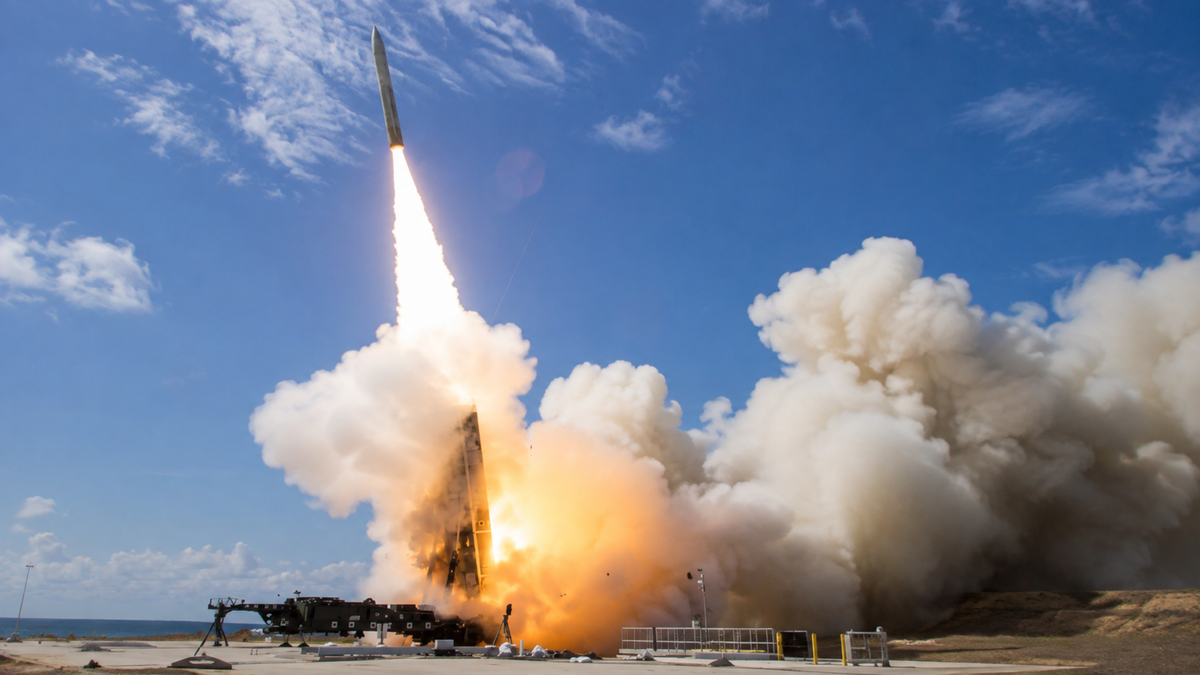
The U.S. Navy’s Conventional Prompt Strike (CPS) hypersonic missile program is facing significant production and schedule challenges, according to a July 2026 Government Accountability Office (GAO) assessment.
The Navy’s lifecycle cost estimate has increased from about $31 billion for 262 missiles in 2020 to roughly $41 billion for 224 missiles in 2024. As of April 2026, the estimated average missile cost was about $67 million.
Production Rate Remains Below Target
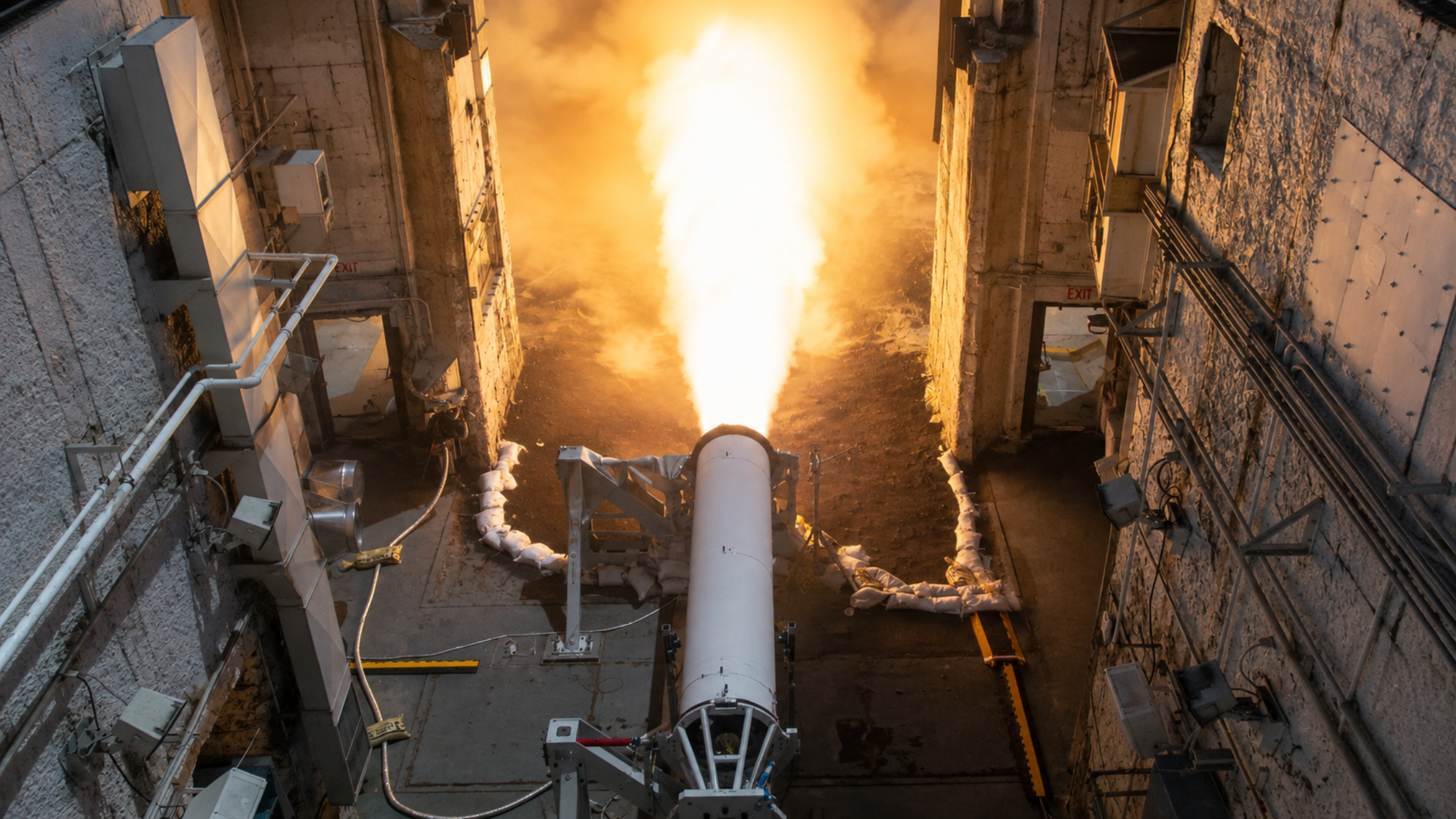
The biggest concern is manufacturing capacity. Lockheed Martin’s production facility is currently capable of producing only about six to seven CPS missiles per year, while the Navy considers a rate of approximately 12 missiles annually necessary to stabilize production.
GAO identified issues including labor-intensive manufacturing, difficulties with heat-resistant coatings, incomplete parts kits, complex production instructions, and workforce turnover.
Navy’s Zumwalt Integration Also Running Late
The missile-production problems are occurring alongside delays in integrating CPS onto the Navy’s Zumwalt-class destroyers.
GAO found that the Navy is approximately 24 months behind schedule, with the first at-sea flight test from USS Zumwalt now expected in 2027. The modernization effort has also faced unexpected shipyard work and technical challenges.
Shared Missile, Separate Service Challenges
CPS is a joint Army-Navy effort built around a common hypersonic missile technology. The Army operates its version as the Long-Range Hypersonic Weapon (LRHW), while the Navy is adapting the system for launch from surface ships and, eventually, submarines. GAO warned that the Department of Defense lacks a comprehensive strategy for coordinating the Army and Navy's investments in the shared production base.
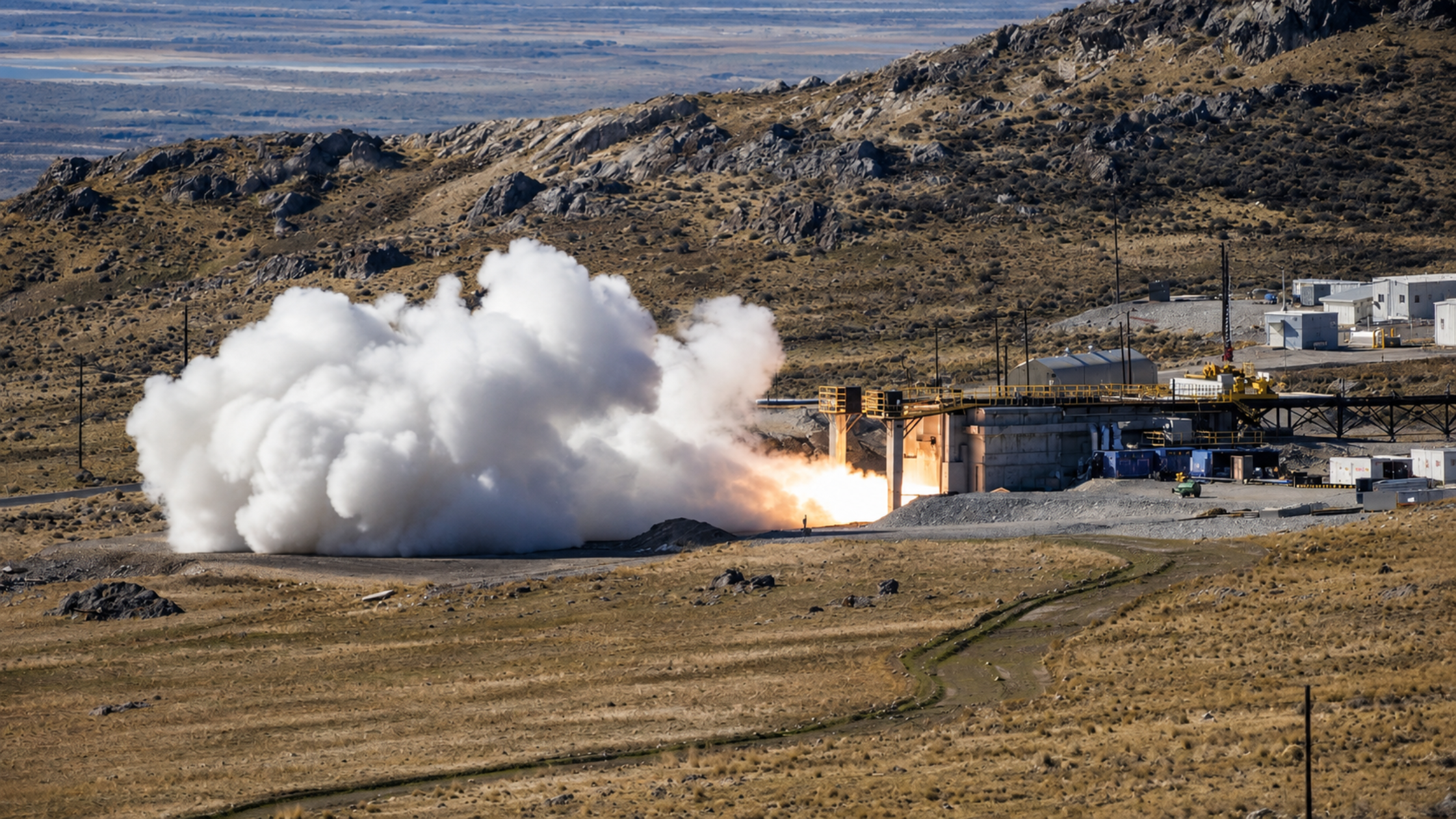
The high cost and limited production rate highlight the industrial challenge of bringing sophisticated hypersonic weapons into sustained production. While CPS is intended to provide the Navy with a long-range, rapidly deployable conventional strike capability, scaling the weapon from development and testing into reliable mass production remains a major hurdle.
Author: Kevin Macmellon