U.S. Army Moves TITAN Program Into Production With $192 Million Palantir-Anduril Awards
The U.S. Army has moved its Tactical Intelligence Targeting Access Node, or TITAN, program into the production phase with two contract delivery orders worth a combined $192 million. The awards, announced as of August 31, provide $127 million to Palantir Technologies and $65 million to Anduril Industries.
The initial production effort covers eight TITAN systems, consisting of four TITAN Advanced and four TITAN Basic variants. The Army expects the systems to be delivered over the next 18 months, adding to the nine prototype systems already retained for operational use.
TITAN Brings AI-Enabled Intelligence to the Battlefield
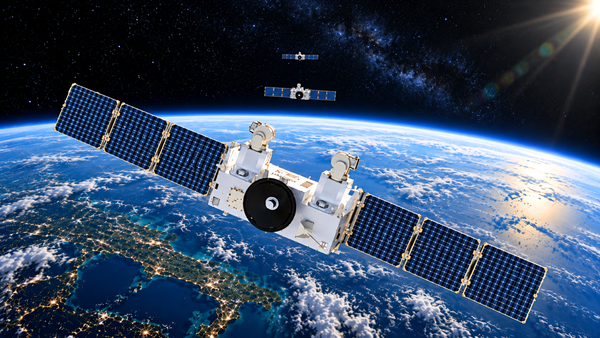
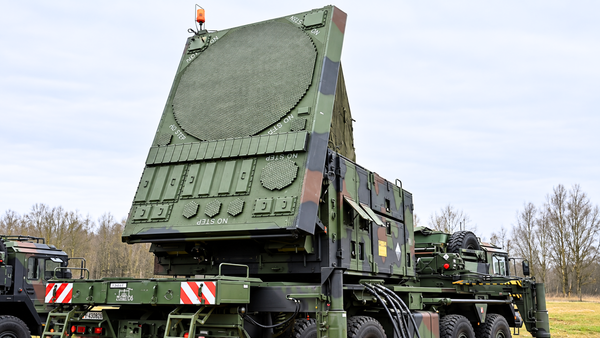
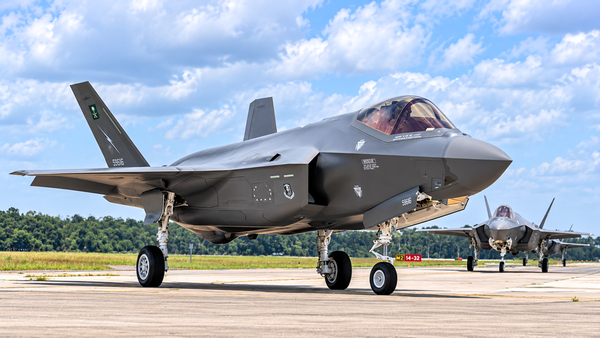
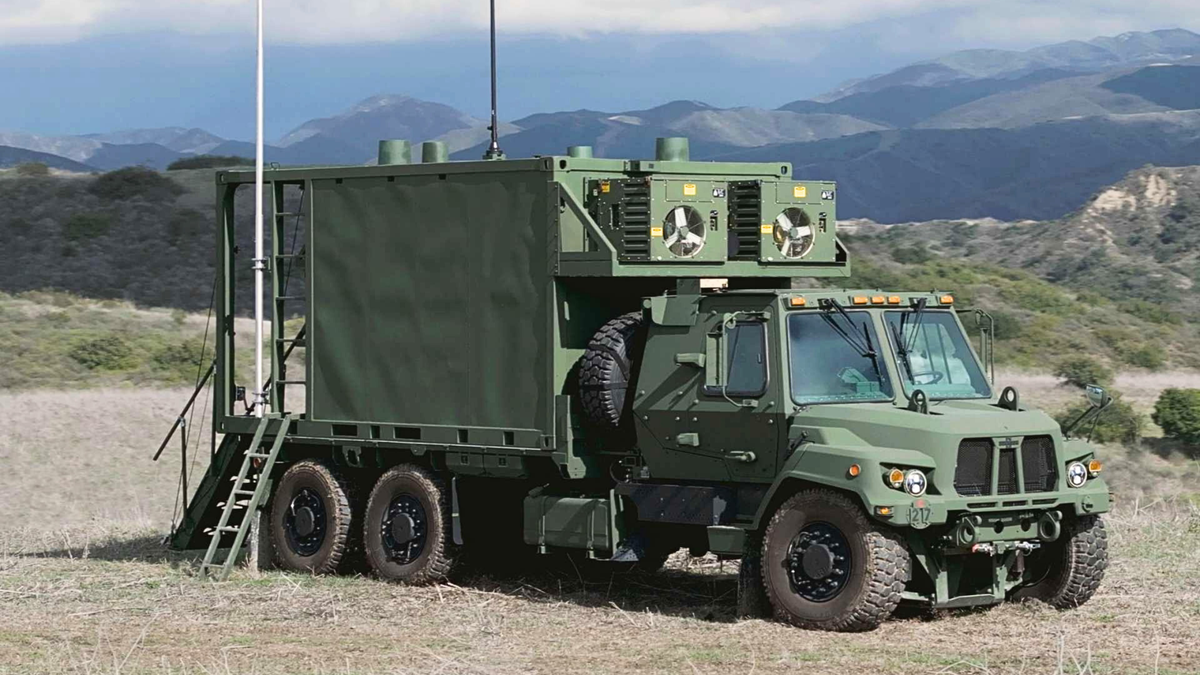
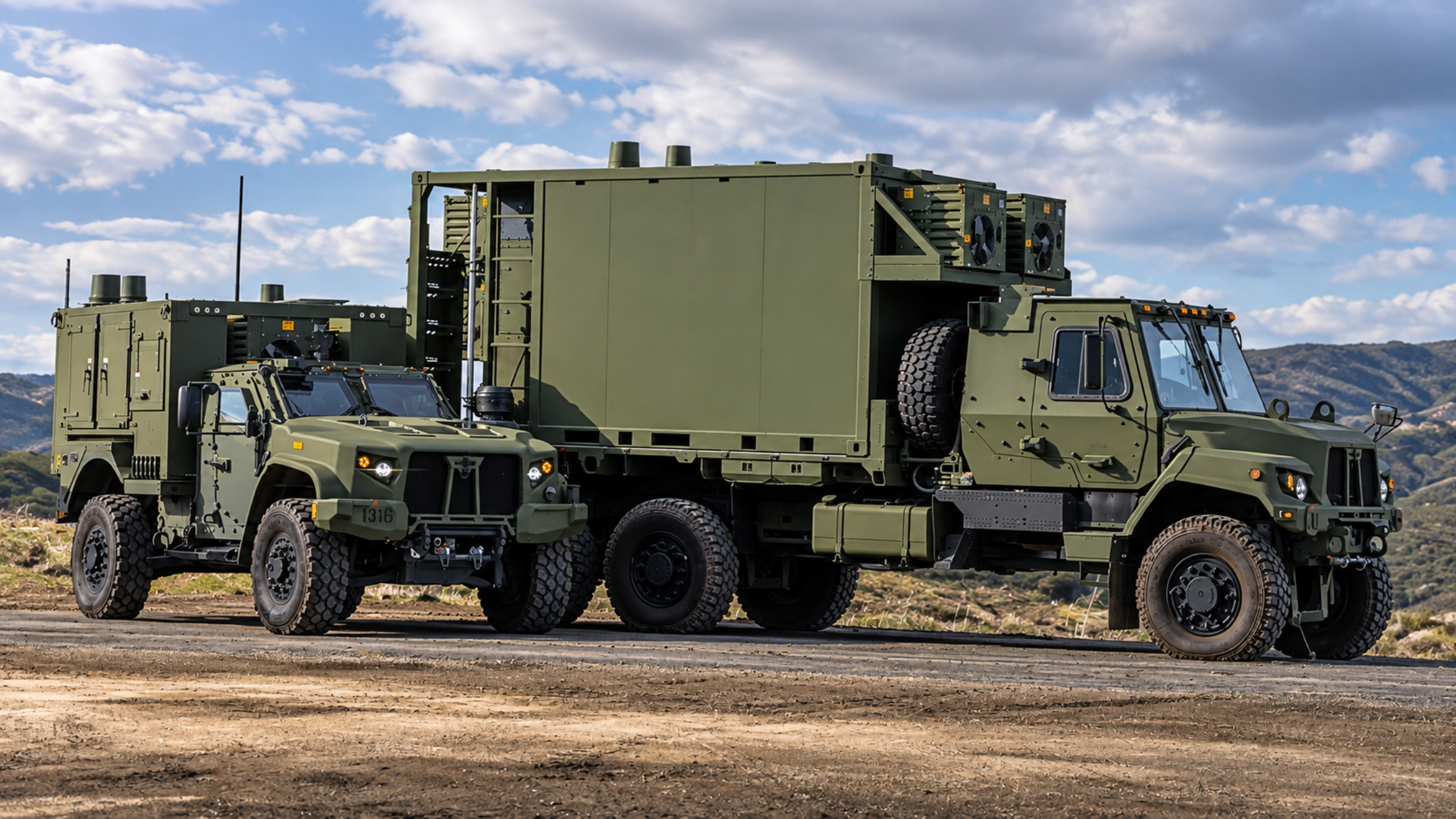
TITAN is designed as an AI-enabled, expeditionary, and maneuverable intelligence ground station. Mounted on vehicles, the system is intended to collect, process, and fuse information from space, high-altitude, aerial, and terrestrial sensors.
The resulting intelligence can then support commanders and long-range precision fires by rapidly identifying and geolocating potential targets. The Army says the system is designed to reduce the time between detecting a target and providing information to the shooter through automated target nominations and a fused common intelligence picture.
Palantir Leads the Production Effort
Under the new awards, Palantir will lead overall TITAN production, working with L3Harris Technologies, Sierra Nevada Corporation, Strategic Technology Consulting and World Wide Technology to provide key technologies and capabilities.
Palantir's role builds on its earlier position as the lead contractor for the TITAN development effort. The company has emphasized TITAN's software-centric architecture, designed to integrate large volumes of sensor information and apply AI and machine learning at the tactical edge.
Anduril Provides Hardware and Shelter Integration
Anduril will receive the $65 million award and is responsible for critical hardware components and shelter integration. The company previously spearheaded the hardware design and manufacturing of TITAN prototype vehicles as part of the Palantir-led team.
The partnership demonstrates how the Army is combining software-focused companies with specialized hardware manufacturers to create a more modular intelligence architecture rather than relying solely on traditional defense platforms.
Designed to Shorten the Sensor-to-Shooter Timeline
One of TITAN's central objectives is to compress the sensor-to-shooter timeline. Instead of intelligence being manually collected and passed through multiple stages before reaching a weapons unit, TITAN is intended to automate portions of the process by fusing information from multiple sensors and generating target recommendations.
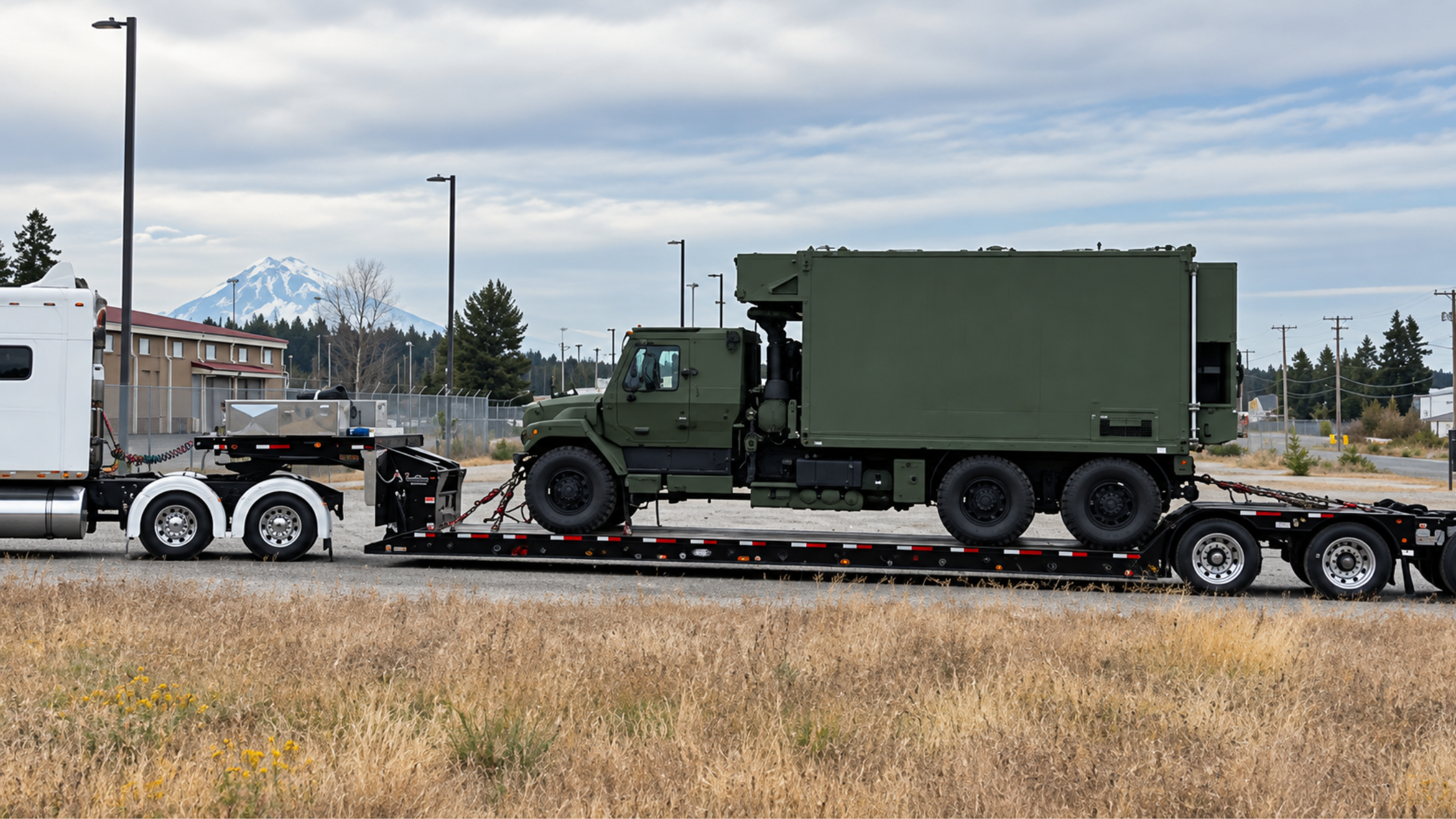
The Army says four years of prototype testing and soldier feedback across different operating environments have shaped the production configuration. Officials also intend the system to support Multi-Domain Operations, Joint All-Domain Operations and Long-Range Precision Fires.
TITAN Systems Expected in FY2027
The eight systems covered by the latest awards represent the initial production batch rather than the end of the program. The Army said an additional production order is anticipated in fiscal year 2027, potentially expanding the number of TITAN systems available to operational units.
The move marks an important transition for TITAN—from an experimental AI-enabled intelligence concept to a fielding program intended to provide the Army with a mobile, networked, and increasingly automated targeting capability.
Author: Kevin Macmellon