Russia Races to Deploy Rassvet Satellite Internet for Battlefield Communications
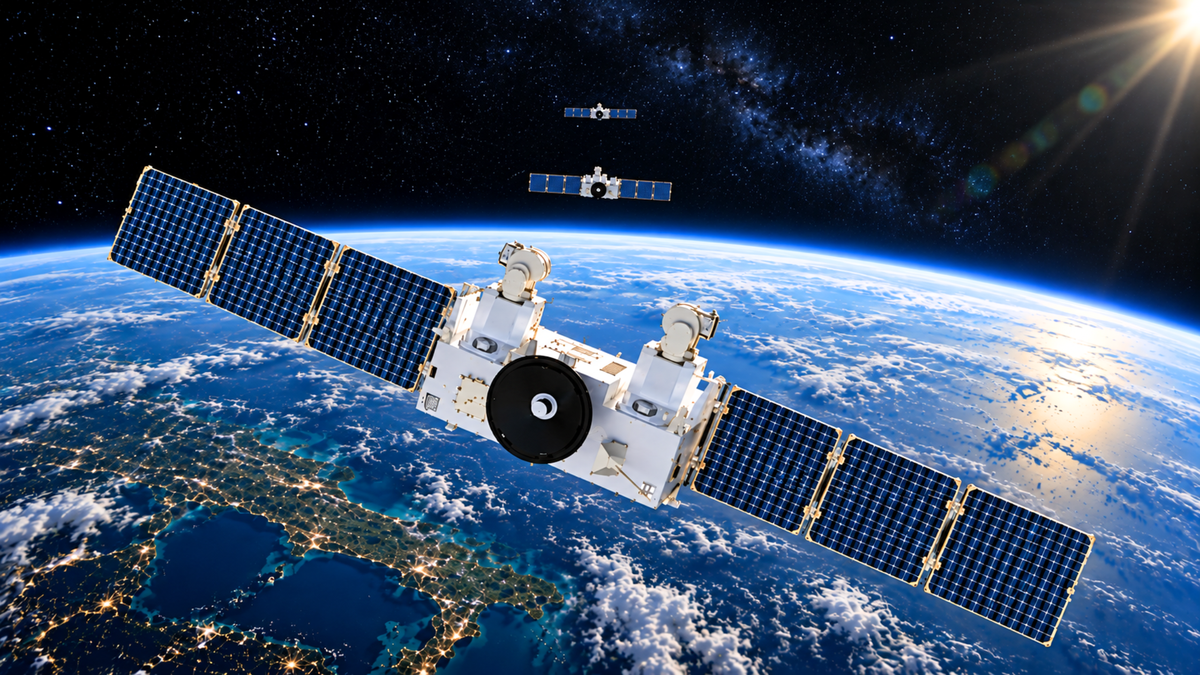
Russia is accelerating development of Rassvet, a low-Earth-orbit satellite communications network intended to provide a domestic alternative to SpaceX’s Starlink. The system is being developed by Russian company Bureau 1440 and is designed for both civilian connectivity and military communications.
Rassvet Emerges as Russia’s Starlink Alternative
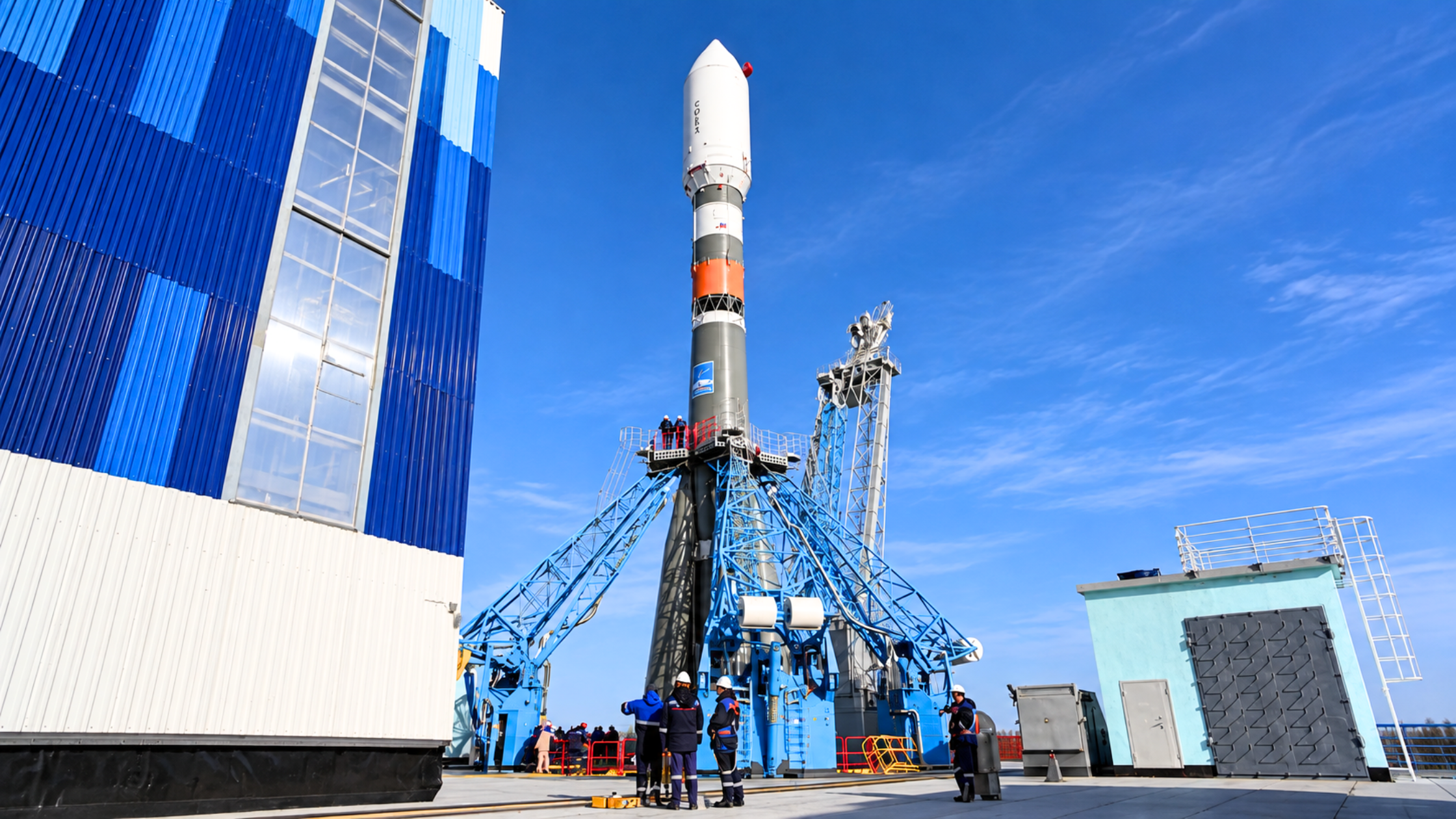
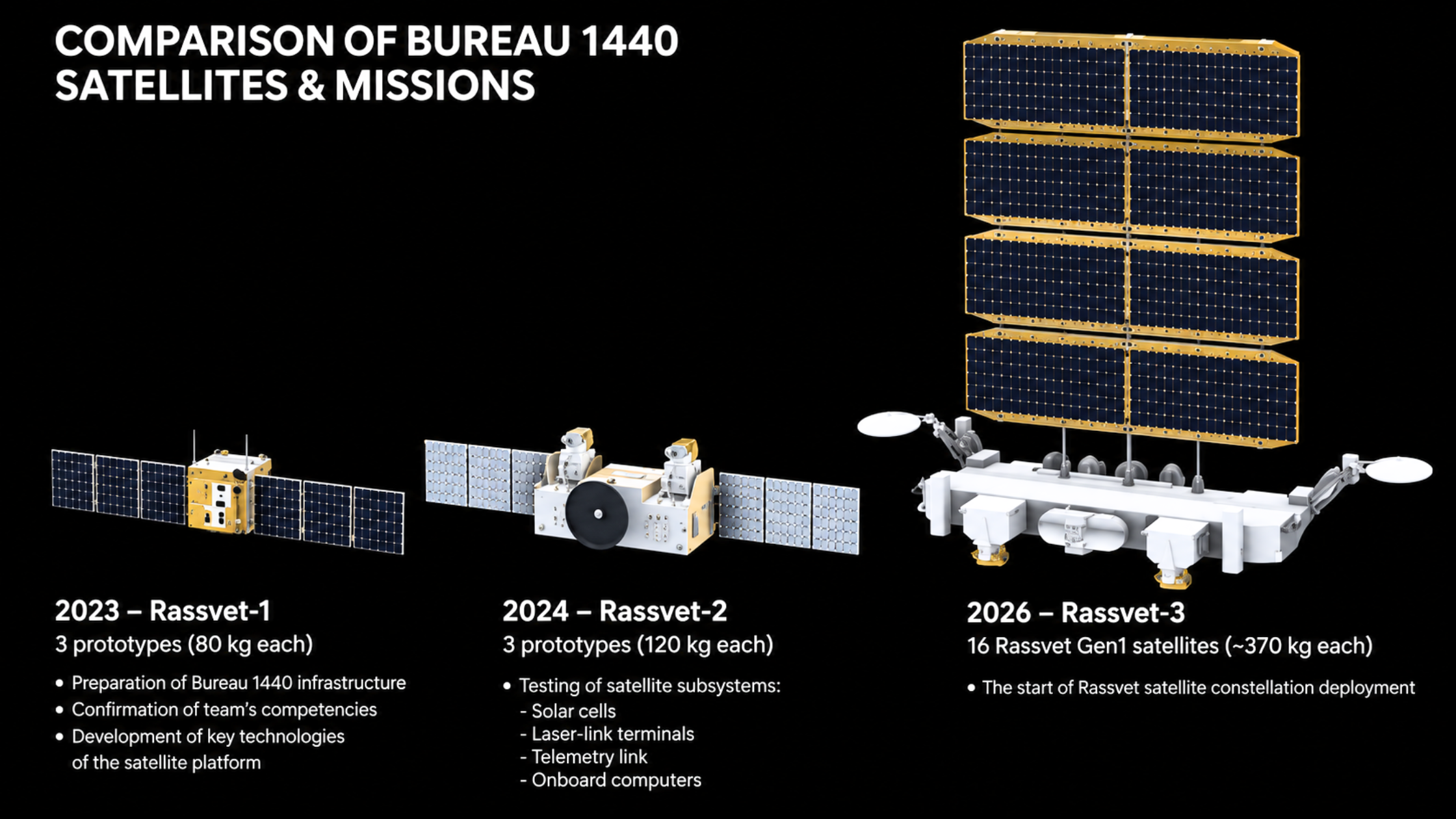
The Rassvet program moved from testing toward operational deployment in 2026. Russia launched its first 16 production satellites in March and another 16 in July, bringing the number of production-series satellites launched to 32 by August. Ukrainian military intelligence said Russian forces had already used the first group for satellite communications over Ukraine for several hours.
The network is intended to eventually provide high-speed connectivity using a large constellation of satellites in low Earth orbit. Bureau 1440 has discussed a constellation numbering hundreds of satellites, with the longer-term goal extending into the 2030s.
Why Battlefield Communications Matter
Satellite internet has become an important part of modern military operations because it can connect units, command centers and unmanned systems without relying entirely on conventional terrestrial communications.
Ukrainian military intelligence told Janes that Rassvet could potentially support real-time data transmission and the operation of reconnaissance and strike drones. A German military assessment cited by DW also warned that a mature Rassvet network could provide Russia with an independent communications infrastructure for unmanned systems.
Russia Is Still Far Behind Starlink
Despite the rapid deployment, Rassvet remains far smaller and less mature than Starlink. Technical problems have affected some of Russia's launches.
The Institute for the Study of War reported that none of the 16 satellites launched in July had reached their intended operational altitude by August 31. Several were operating at substantially lower altitudes, while at least two were reportedly heading toward atmospheric reentry.
Limited Connectivity Is Already Possible
The existing satellites can nevertheless provide intermittent coverage. ISW reported that 12 of the original 16 March satellites had reached their expected altitude and were providing Russian forces with two daily connectivity windows over Ukraine, totaling up to roughly 90 minutes.
That is very different from continuous nationwide or battlefield coverage, but even limited connectivity could provide useful communications opportunities for military units and unmanned systems.
The Loss of Starlink Accelerated the Program
Russia's push has gained additional urgency after access to Starlink became restricted for Russian forces. The experience highlighted the military implications of depending on a satellite network controlled by a foreign commercial company.
Rassvet project therefore represents more than an internet service. For Moscow, a domestic constellation could provide greater control over military communications and reduce dependence on foreign satellite infrastructure.
New Dimension of the Ukraine War
The development of Rassvet shows how the Ukraine war is increasingly extending into space-based communications. Satellite networks now influence how forces communicate, transmit data, and operate unmanned systems on the battlefield.
Russia's network is still in an early stage and faces significant launch, satellite-production, and orbital challenges. But if Moscow succeeds in deploying hundreds of functioning satellites, Rassvet could become an important component of Russia's military communications architecture.
Author: Kevin Macmellon