U.S. Air Force placed a limited purchase order for the Guardian Rotary-Wing Interceptor
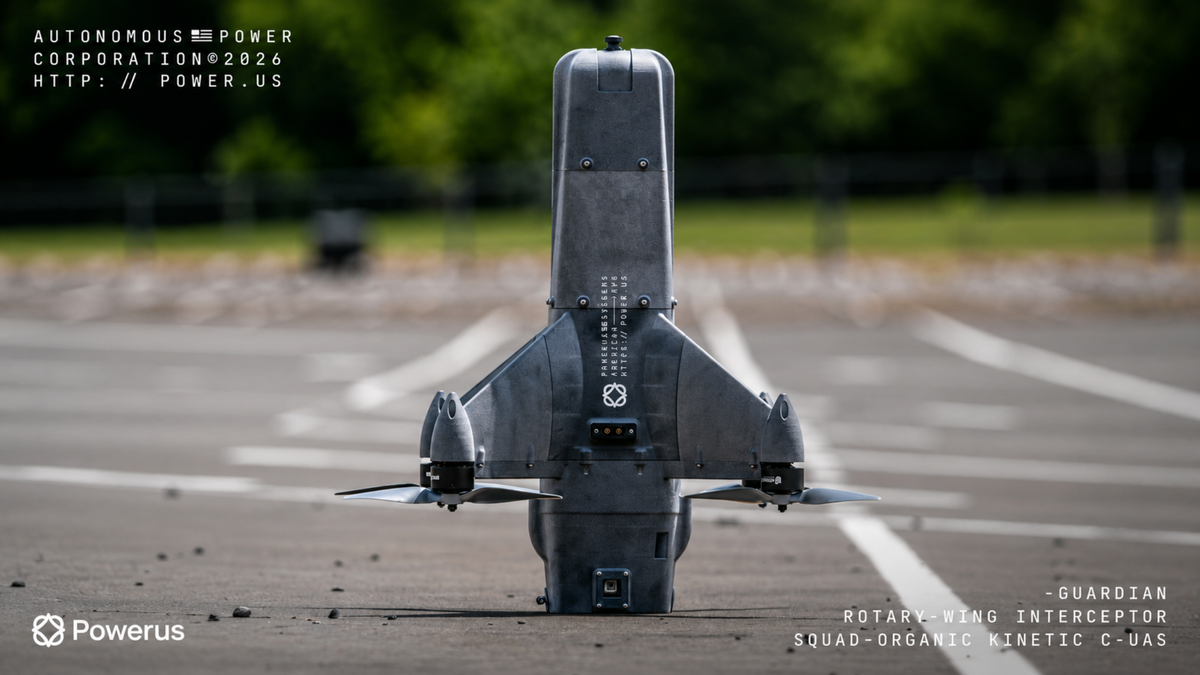
Powerus, a Florida-based autonomous systems company founded by former U.S. Army Special Operations veterans, says its Guardian rotary-wing interceptor has achieved thousands of successful field intercepts against hostile Group 3 unmanned aerial systems (UAS). The company positions the Guardian as a low-cost kinetic counter-drone solution designed to defeat threats such as the Iranian-designed Shahed-136 and Geran-2 attack drones.
Guardian Drone Claimed to Achieve Thousands of Drone Intercepts as U.S. Air Force Places Limited Order
The Guardian was developed to address one of the biggest challenges in modern air defense: the high cost of intercepting inexpensive drones with traditional missile systems. According to Powerus, conventional interceptors can cost hundreds of thousands—or even millions—of dollars per engagement, while many one-way attack drones cost only a fraction of that amount. The Guardian aims to reverse that cost equation by providing an affordable, rapidly deployable interceptor for frontline forces.
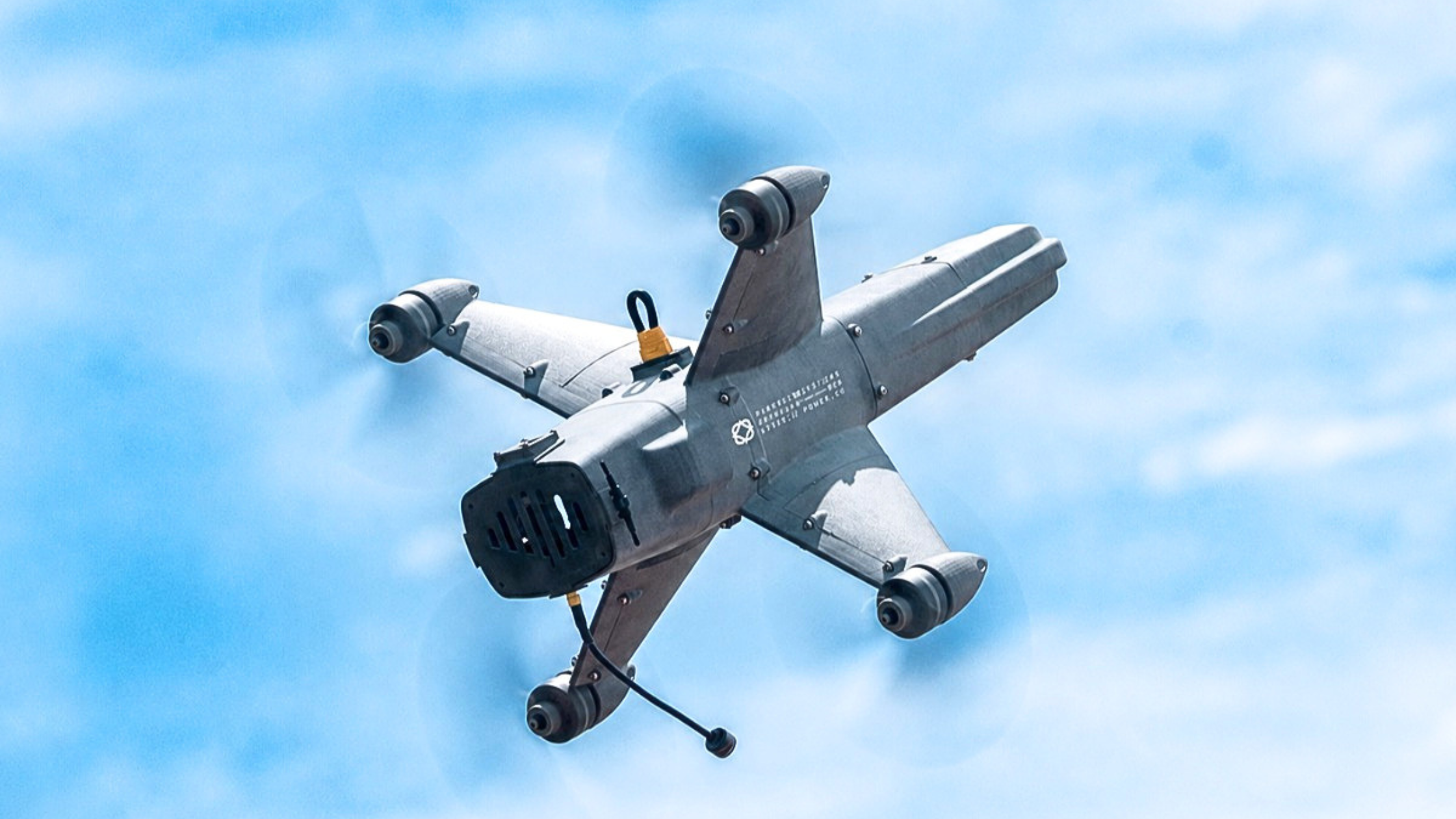
The lightweight interceptor features a reinforced carbon-fiber airframe and is capable of speeds between 290 and 340 km/h (180–211 mph), enabling it to pursue and destroy fast-moving aerial threats. It was demonstrated during operational exercises at the National Training Center, Fort Irwin, California, where U.S. service members evaluated the system against simulated drone threats.
Following a successful demonstration, the U.S. Air Force placed a limited purchase order for the Guardian system. While the order is not a full-rate production contract, it represents the first confirmed U.S. government procurement of the platform and marks an important step toward operational adoption for expeditionary counter-UAS missions.
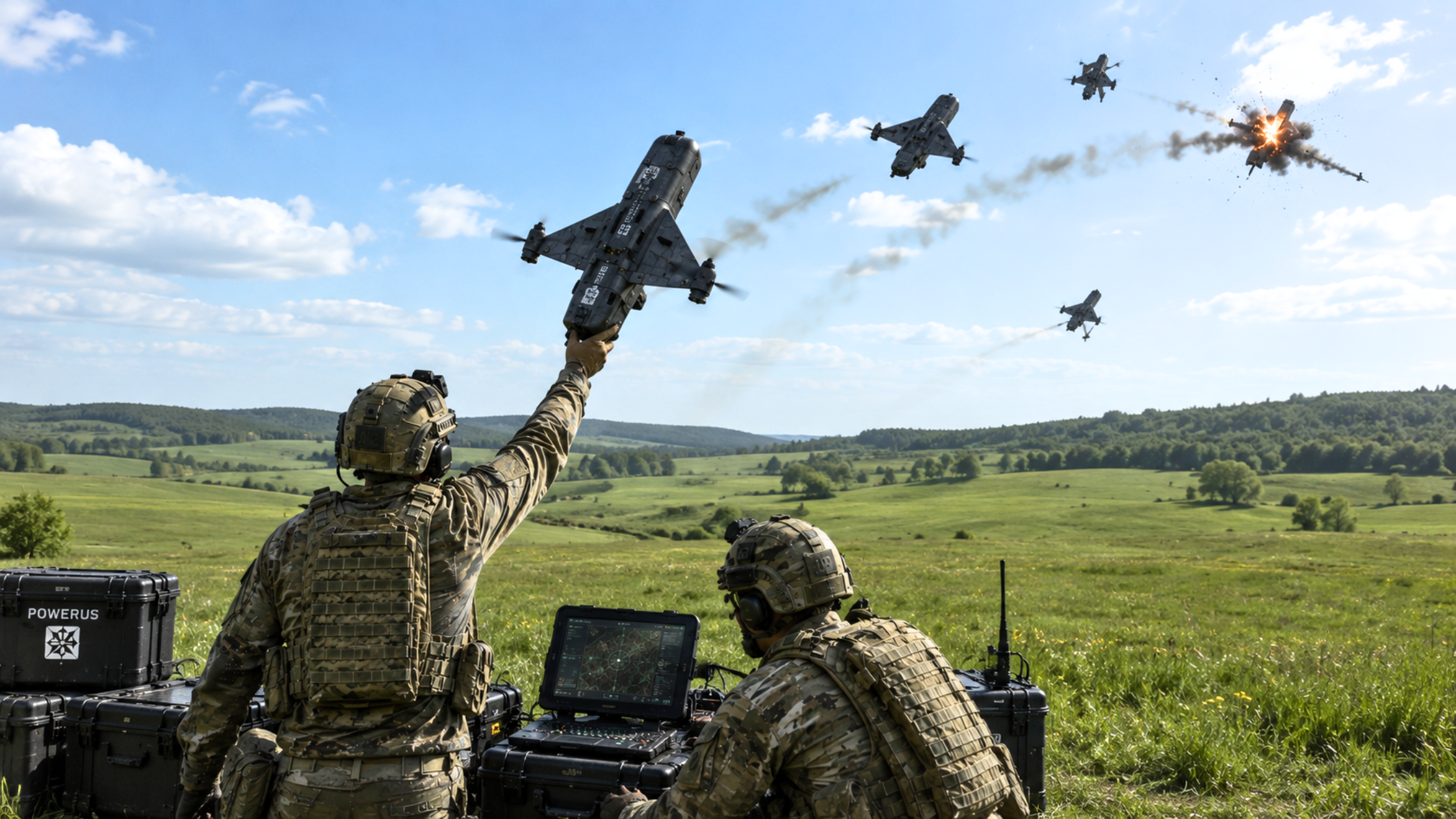
Although Powerus states that Guardian has recorded thousands of successful intercepts, those figures have not been independently verified through publicly available operational records. The company's claims nevertheless highlight growing interest in affordable kinetic counter-drone systems as militaries seek scalable defenses against the expanding threat posed by mass-produced unmanned aircraft.
Author: Kevin Macmellon