U.S. Air Force C-17 Globemaster III: The Strategic Airlifter That Powers Global Military Operations
The Backbone of U.S. Strategic Airlift
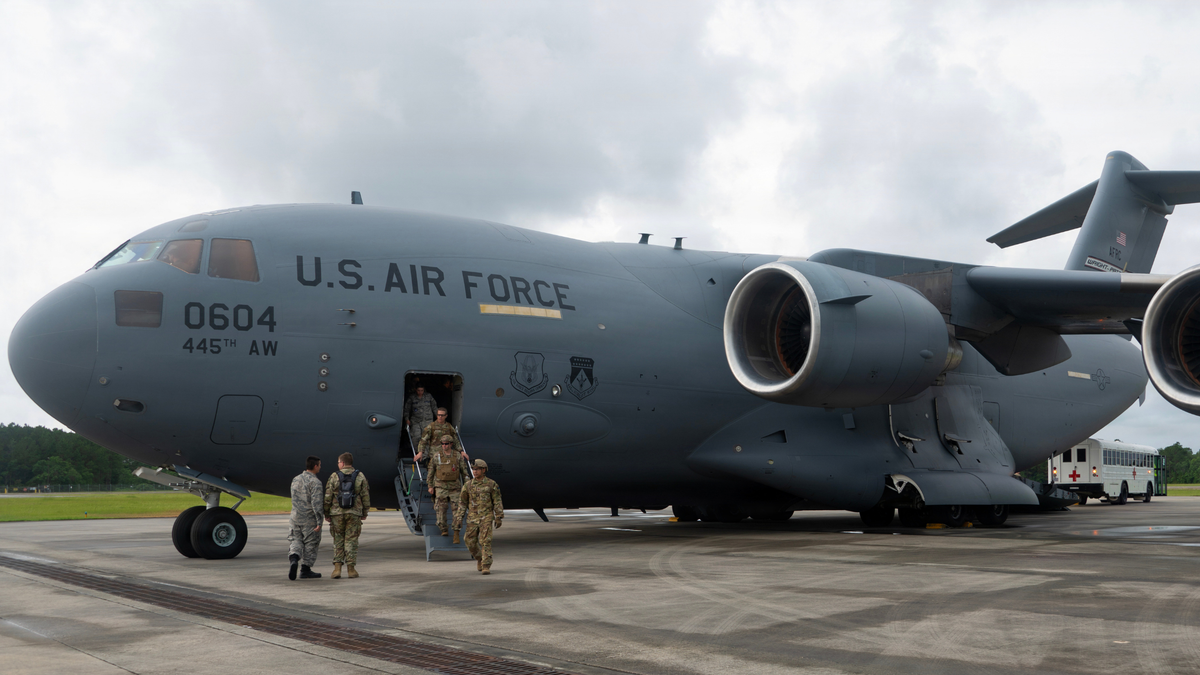
The Boeing C-17 Globemaster III is among the most capable strategic military transport aircraft in existence, playing a central role in the U.S. Air Force’s Air Mobility Command (AMC). Manufactured by Boeing, it can deliver personnel, vehicles, heavy cargo and supplies anywhere on Earth by flying to either fully operational airbases or underdeveloped forward sites.
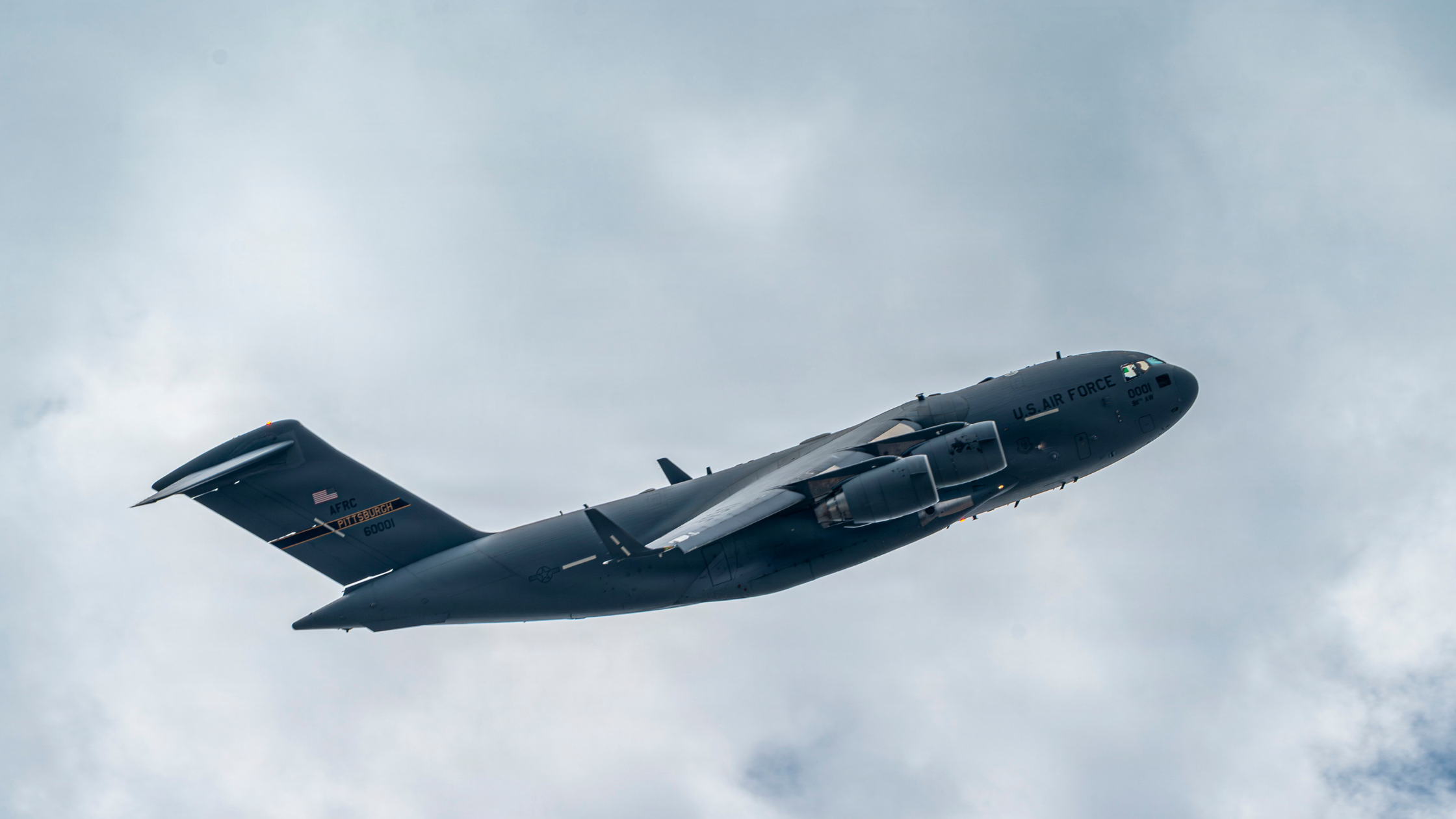
The C-17 has served since the mid-1990s to sustain military operations, deliver aid, respond to natural disasters, perform medical evacuations and facilitate peacekeeping operations around the world. Its flexibility for delivering substantial payloads to remote locations at a rapid pace has proven its worth many times over within the U.S. Military.
Designed for Heavy Payloads and Rapid Deployment
It has a similar payload to a strategic airlifter. Still, it can also operate as a tactical transport, allowing it to haul roughly 170,900 pounds (77,500 kilograms) of cargo such as an M1 Abrams main battle tank, a Stryker, or an AH-64 Apache helicopter, artillery systems, military trucks, and more than 400 troops with gear.
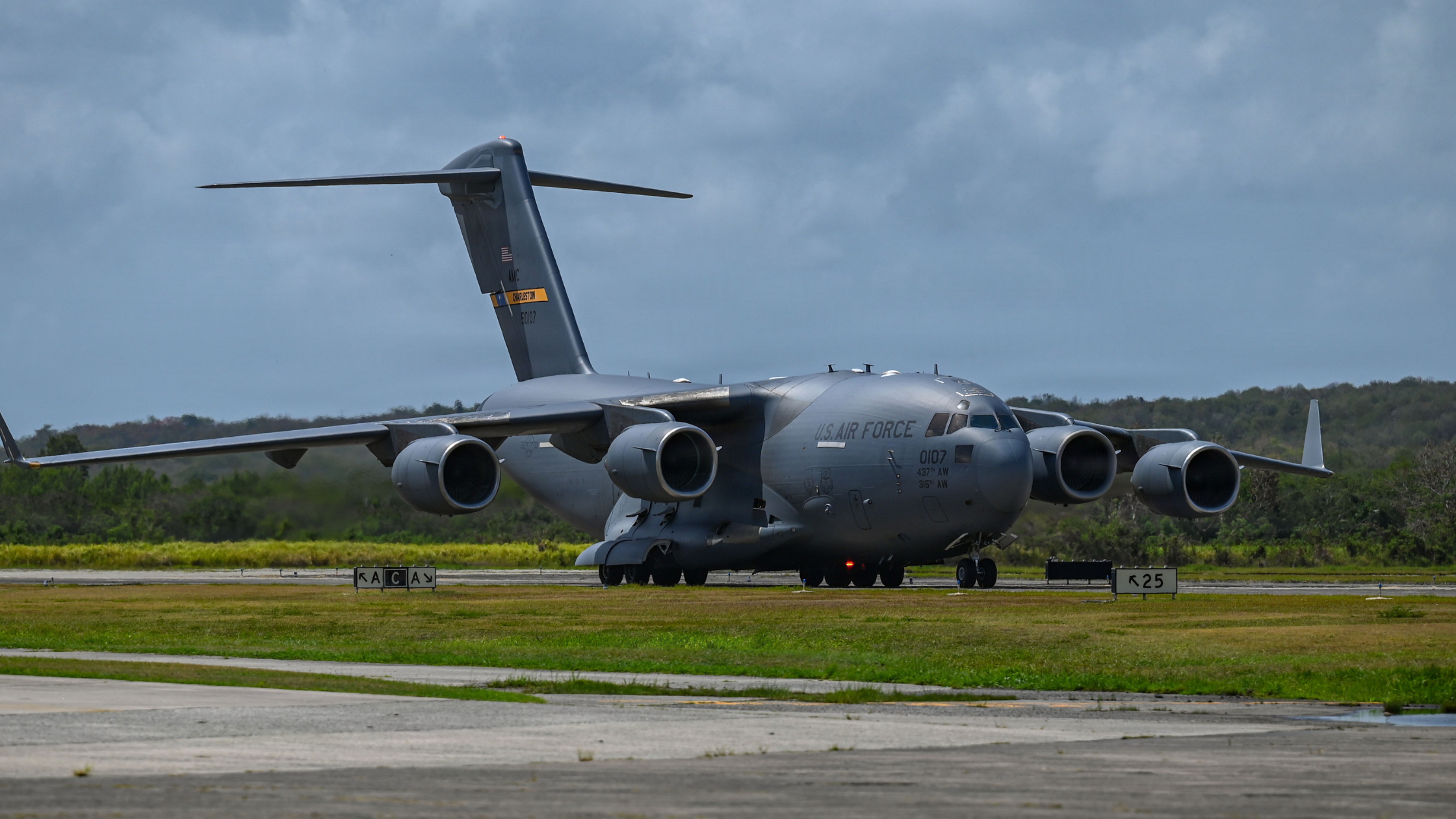
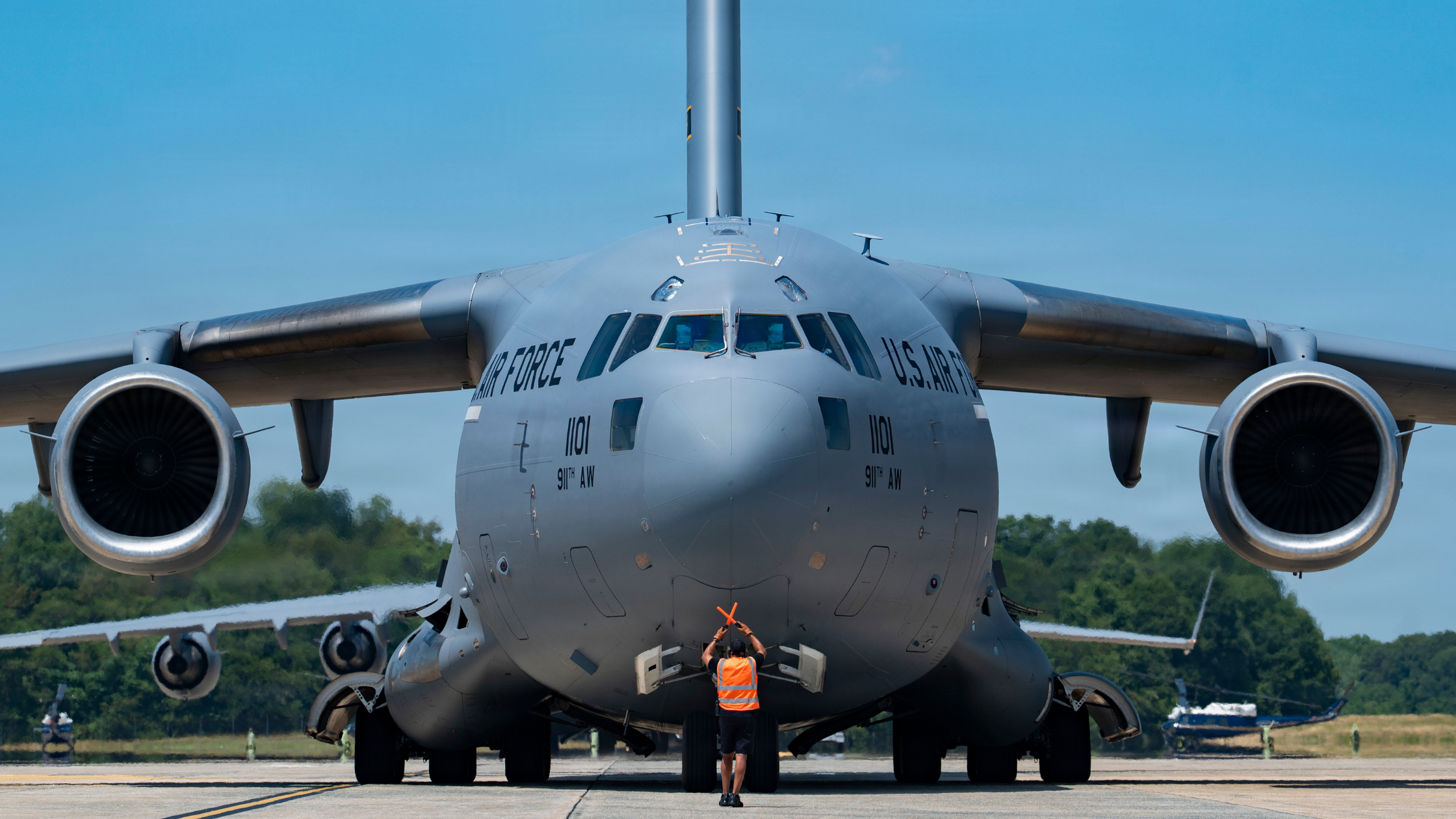
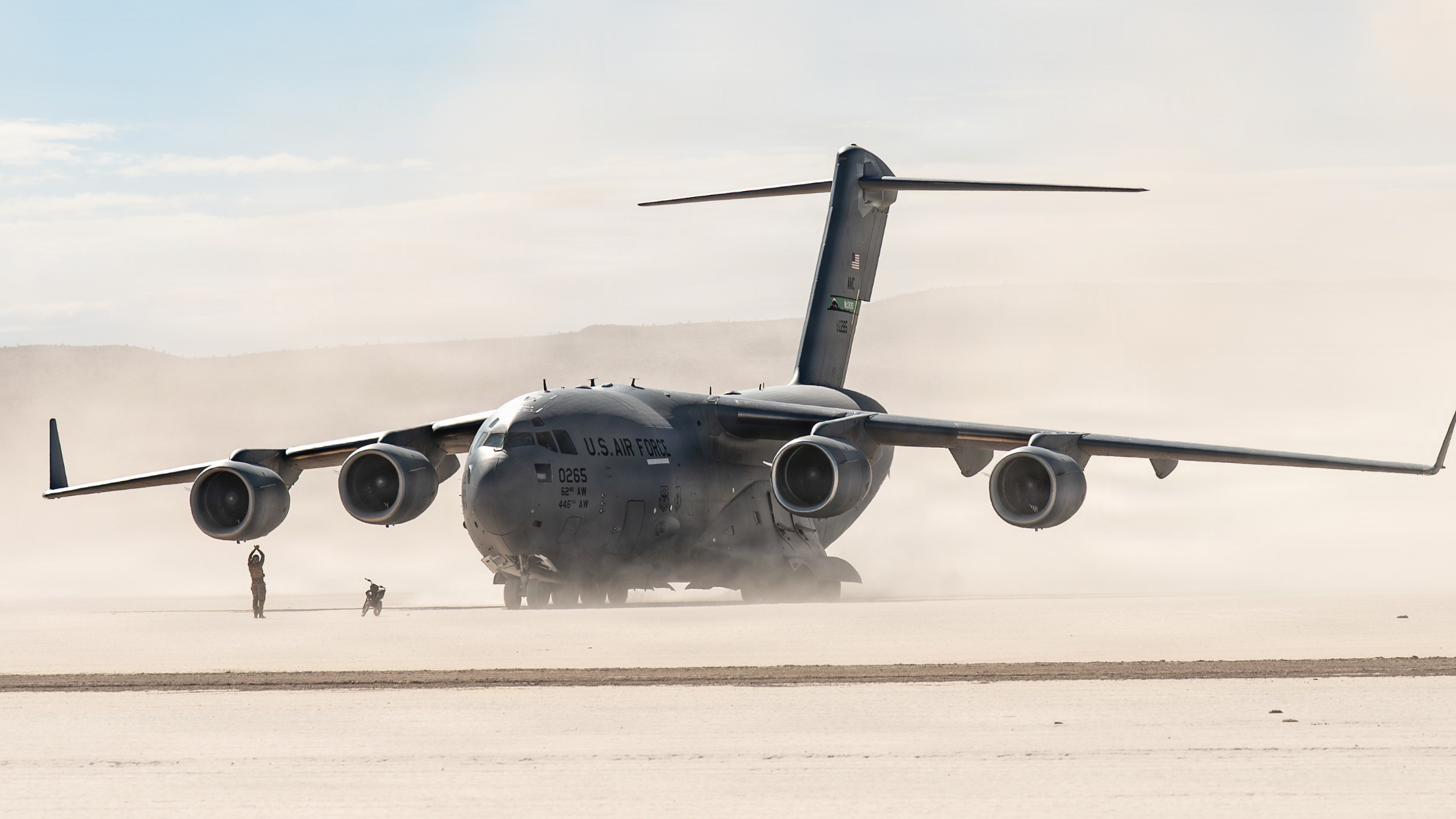
The four Pratt & Whitney F117-PW-100 turbofan engines give the C-17 a cruising speed of about Mach 0.74 (830 kilometers per hour or 515 mph) and the ability to travel more than 2,400 nautical miles (4,450 kilometers) on a full load. The C-17 can also operate out of short airfields that are often beyond the capability of much larger transport aircraft because of the aircraft’s high-lift wing design and sophisticated flight controls.
Supporting Combat and Humanitarian Missions Worldwide
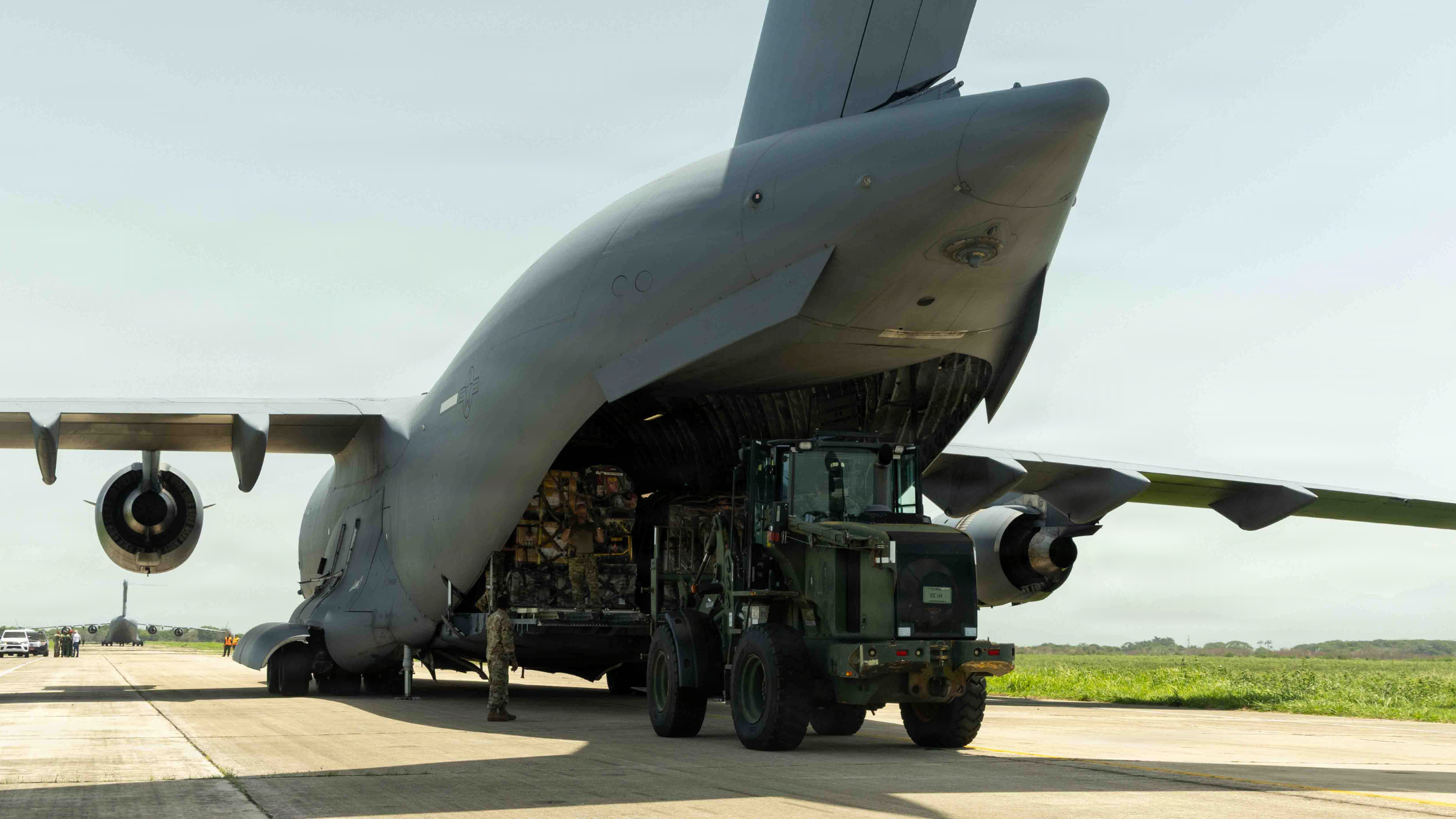
Beyond the battlefields, the C-17 is indispensable for humanitarian assistance and disaster relief operations. The massive transport has supplied relief to earthquake, hurricane, flood, and other disaster-stricken regions across the globe, as well as to facilitate large-scale evacuation operations. Its rear loading ramp can quickly load and unload cargo, vehicles and personnel in the case of time-sensitive mission requirements.
The transport is also certified to perform air medevac operations, whereby personnel with medical injuries are delivered to medical facilities, often accompanied by medical personnel and medical equipment aboard the aircraft. Such flexibility enables the C-17 to smoothly switch between its multiple mission profiles such as combat support, humanitarian assistance and strategic lift.
A Key Asset for Future Global Mobility
Even though the C-17 was last produced in 2015, it is still a crucial element of both American and allied air mobility forces, with upgrades continuing for communications, navigation and avionics systems as well as other capabilities that will keep it airborne for years to come.
In a dynamic and ever-changing world, the C-17 Globemaster III remains one of the essential transport planes because of its strategic advantage as well as the ease and capability it provides for deployment of troops and heavy cargo to any part of the globe at an instant's notice for the purpose of reinforcing allies or performing humanitarian aid operations.
Author: Kevin Macmellon