Trump Orders Pentagon to Scale Back U.S.-South Korea Military Drills Amid North Korea Tensions
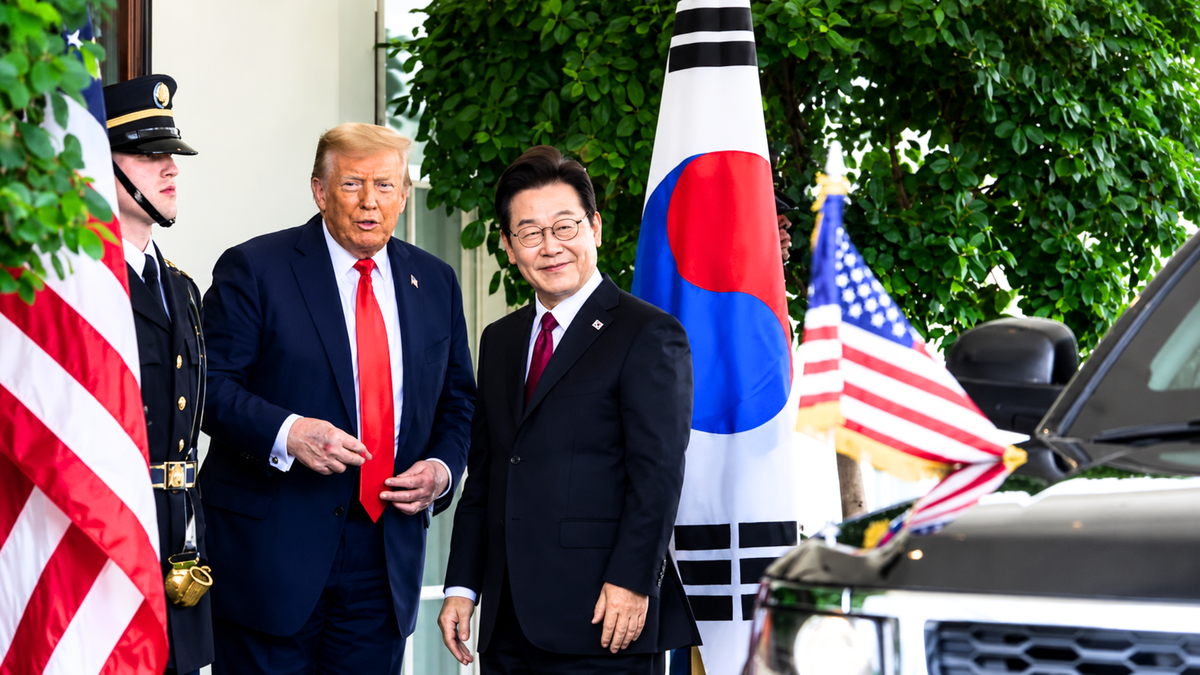
President Donald Trump has instructed the Pentagon to “substantially reduce” joint military exercises with South Korea, arguing that the drills are costly and send what he described as an inappropriate and hostile signal to North Korea. Trump also pointed to his relationship with North Korean leader Kim Jong Un.
The order came as U.S. and South Korean forces were preparing for the annual Ulchi Freedom Shield exercise. The decision does not amount to a complete cancellation, but the exact scale of the reduction remains unclear.
Ulchi Freedom Shield Continues
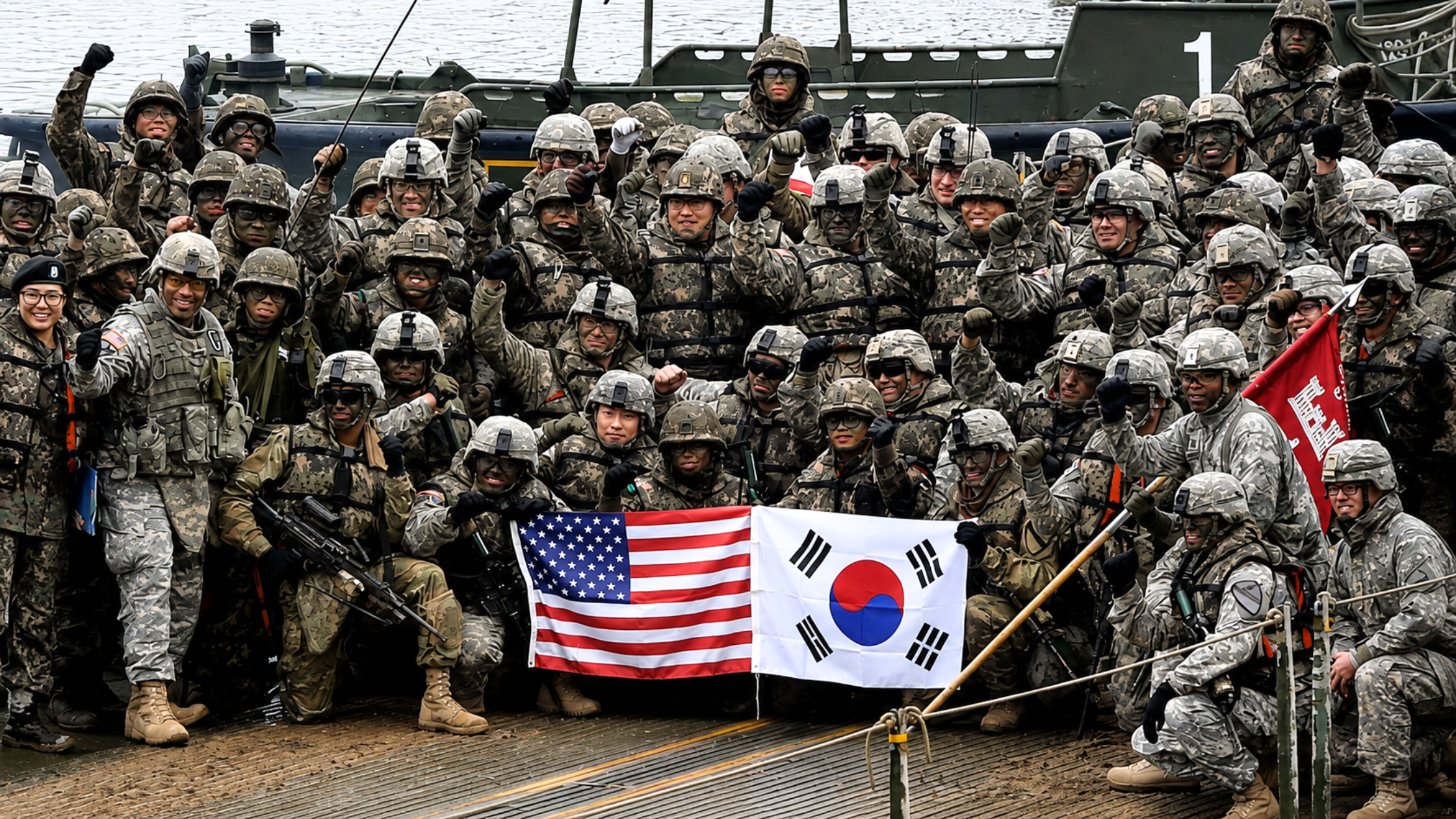
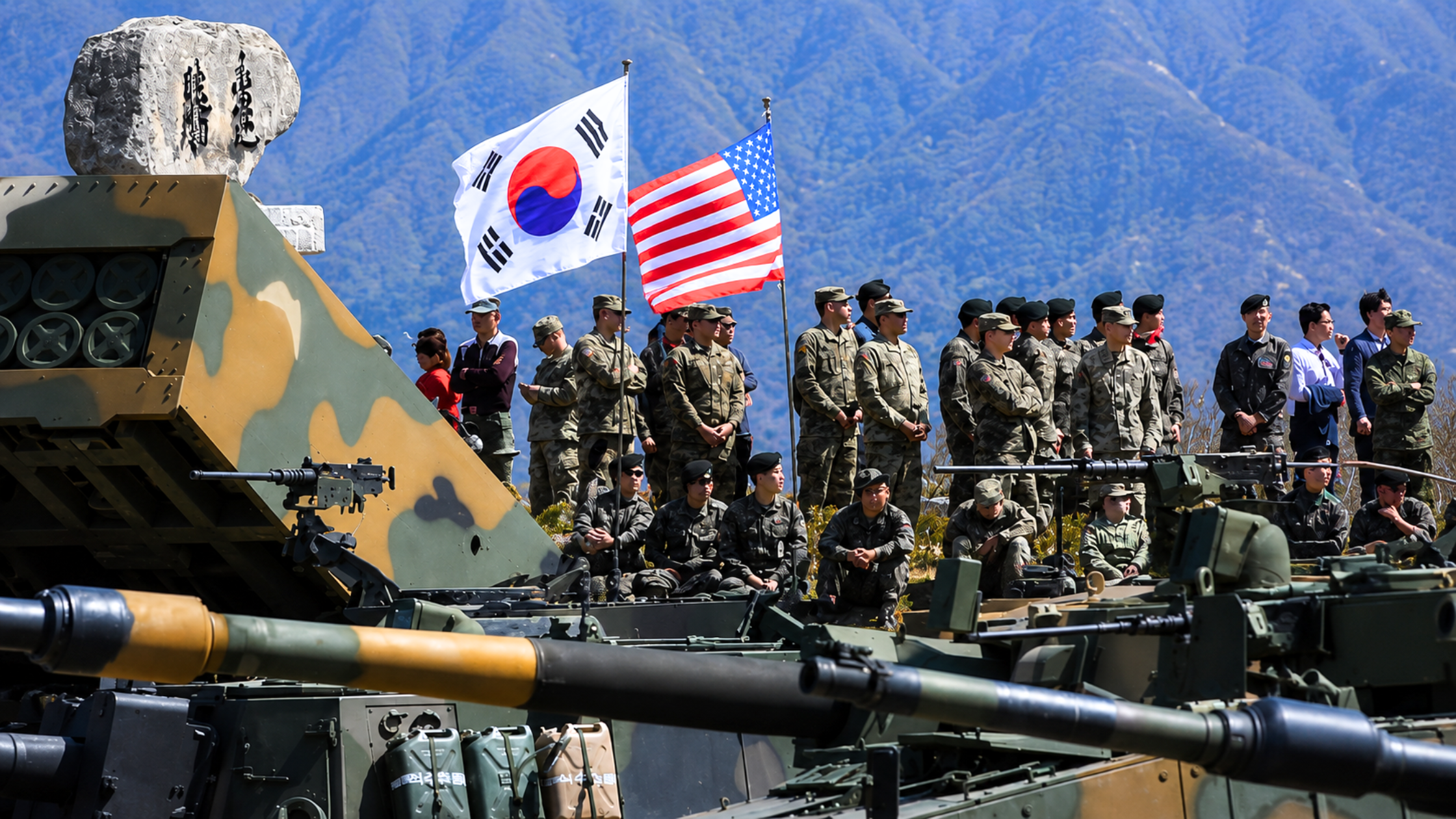
The annual exercise began as scheduled despite Trump's order. About 18,000 South Korean troops are involved, with the exercise designed to improve combined readiness against threats on the Korean Peninsula.
U.S. Forces Korea describes Ulchi Freedom Shield as a combined, joint, all-domain, and interagency exercise involving live, virtual, constructive, and field-based training. The drills are intended to strengthen the ability of U.S. and South Korean forces to respond together during a crisis.
Iran War Adds Pressure
Trump's decision comes while the U.S. military is heavily engaged in the Iran conflict, placing additional demands on American forces and equipment. Reuters reported that U.S. forces are already shifting major military assets toward the Middle East.
Trump also criticized South Korea for declining to participate in U.S. efforts against Iran. Seoul's position on the Iran war has therefore become part of a wider dispute over burden-sharing and the responsibilities of U.S. allies.
Trump Points to Kim Jong Un
Trump said his “very good relationship” with Kim Jong Un was another reason for reducing the exercises. He has previously argued that large-scale U.S.-South Korean drills can be provocative and has used reductions in exercises as part of efforts to create space for negotiations with Pyongyang.
The situation is different from Trump's first term, however. North Korea has expanded its nuclear and missile capabilities and strengthened military ties with Russia, making the security environment more complicated than when earlier exercises were suspended.
Seoul Keeps Defense Coordination
South Korea has said it will continue coordinating closely with Washington on its defense posture. Seoul has also expressed hope that Trump's move could eventually create an opening for renewed dialogue with North Korea.
Readiness and Deterrence in Question
The decision therefore creates a difficult balance for Washington: reduce costs and military demands while maintaining deterrence on the Korean Peninsula. With North Korea continuing to develop its missile and nuclear forces, any sustained reduction in training could become an important issue for the U.S.-South Korea alliance.
Author: Kevin Macmellon