SpaceX Falcon 9 launches 27 Starlink satellites from California
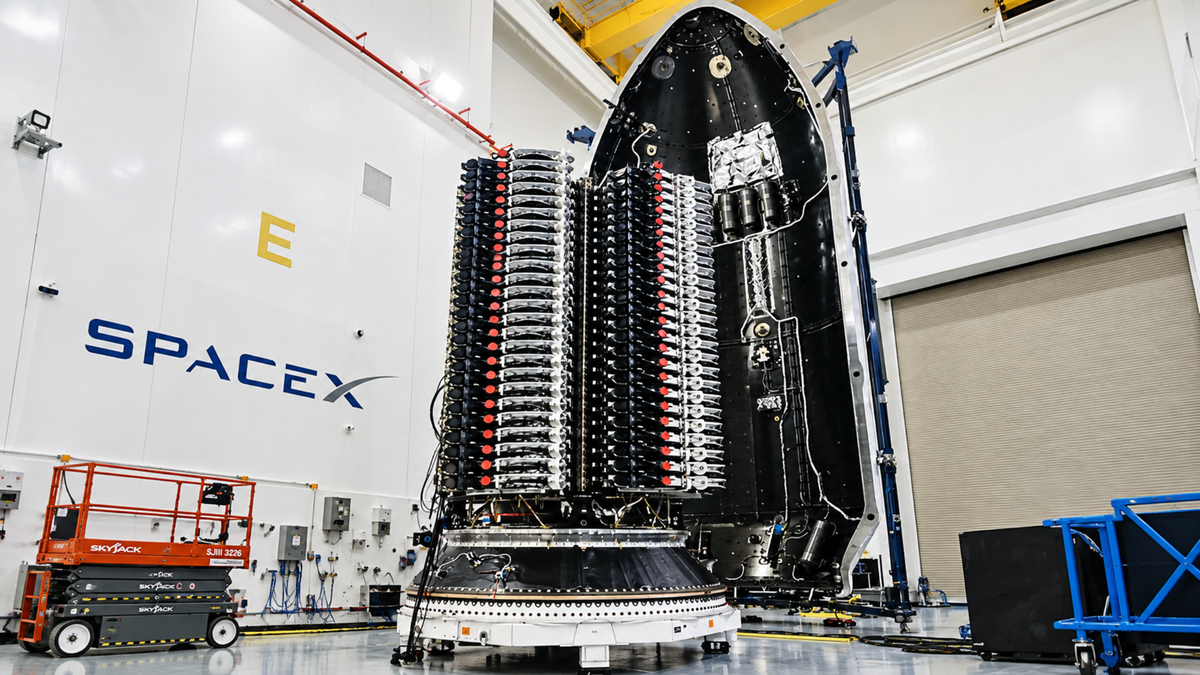
Falcon 9 Lifts Off From Vandenberg: SpaceX successfully launched another batch of 27 Starlink broadband satellites from California on September 6, 2026, continuing the rapid expansion of its low-Earth-orbit communications network.
The Starlink Group 15-24 mission lifted off aboard a Falcon 9 Block 5 from Space Launch Complex 4 East (SLC-4E) at Vandenberg Space Force Base at 7:26 a.m. PDT (14:26 UTC). Launch tracking records place the precise liftoff at approximately 14:26:54 UTC.
27 Starlink Satellites Sent to Low Earth Orbit
The Falcon 9's upper stage carried 27 Starlink satellites toward low Earth orbit. Spaceflight Now identified the payload as Starlink V2 Mini satellites, part of SpaceX's continuing effort to increase the capacity and geographic coverage of the Starlink network.
After completing the orbital portion of the flight, the upper stage deployed the 27 satellites approximately 62 minutes after liftoff. The spacecraft will subsequently maneuver toward their operational positions within the Starlink constellation.
Falcon 9 Booster B1088 Completes 19th Mission
The launch also marked another milestone for Falcon 9 reusability. The first-stage booster assigned to the mission, B1088, was flying for the 19th time. B1088's previous missions include national-security flights, the Transporter-12 rideshare mission, NASA's SPHEREx mission, and numerous Starlink deployments. The booster first flew in November 2024.
Following stage separation, B1088 descended toward the Pacific Ocean and successfully landed on the autonomous droneship Of Course I Still Love You roughly 8.5 minutes after launch. Launch records show the booster has now achieved 19 successful landings from 19 attempts.
SpaceX Reaches 80 Starlink Missions in 2026
The September 6 flight was SpaceX's 80th dedicated Starlink mission of 2026 and its 103rd Falcon 9 launch of the year, according to Space.com and Spaceflight Now reporting.
Just four days earlier, on September 2, another Falcon 9 launched 27 Starlink satellites from Vandenberg on the Starlink Group 15-23 mission. That flight used booster B1063 on its 35th mission. The back-to-back missions illustrate the launch cadence SpaceX has established around Starlink and its reusable Falcon 9 fleet.
Vandenberg's Growing Role in Starlink Deployment
Vandenberg Space Force Base has become an important launch site for Starlink missions. Its location on California's coast allows rockets to depart over the Pacific and provides access to orbital trajectories used for higher-inclination portions of the constellation.
For Starlink 15-24, the first stage landed roughly 574 kilometers downrange on Of Course I Still Love You, according to launch-record data.
Starlink Continues Rapid Expansion
Starlink is SpaceX's satellite-based broadband network, designed to provide internet connectivity through a large constellation operating primarily in low Earth orbit.
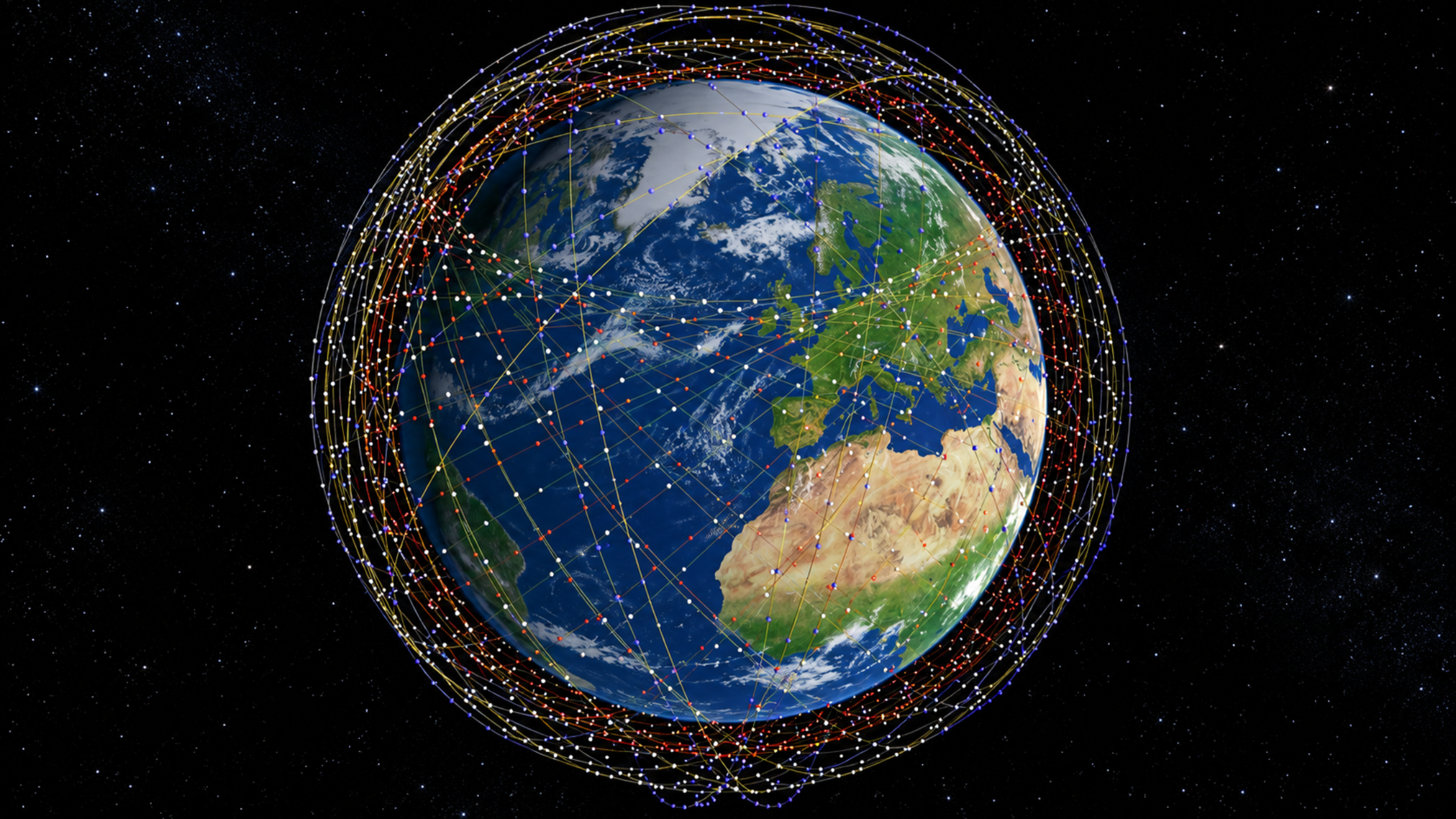
Space.com reported that by the time of the September 6 mission, more than 11,000 active Starlink satellites were operating in orbit, citing satellite-tracking data. The latest 27-satellite deployment therefore represents another incremental expansion of an already enormous orbital communications infrastructure.
Falcon 9 Reusability Remains Central to the Launch Pace
Perhaps the most significant aspect of missions like Starlink 15-24 is not simply the number of satellites launched, but the repeated reuse of Falcon 9 hardware. B1088's 19th launch and 19th successful recovery demonstrate how booster reuse enables SpaceX to conduct frequent missions without manufacturing a completely new first stage for every flight.
With 27 additional Starlink satellites deployed, another veteran booster recovered, and the company's 80th Starlink mission of 2026 completed, Starlink 15-24 represents another step in SpaceX's continuing effort to expand its global satellite communications network while maintaining an unusually high orbital launch cadence.
Author: Kevin Macmellon