Shield AI Scores $50 Million Navy Backing for Runway-Free X-BAT
$50 Million Vote of Confidence
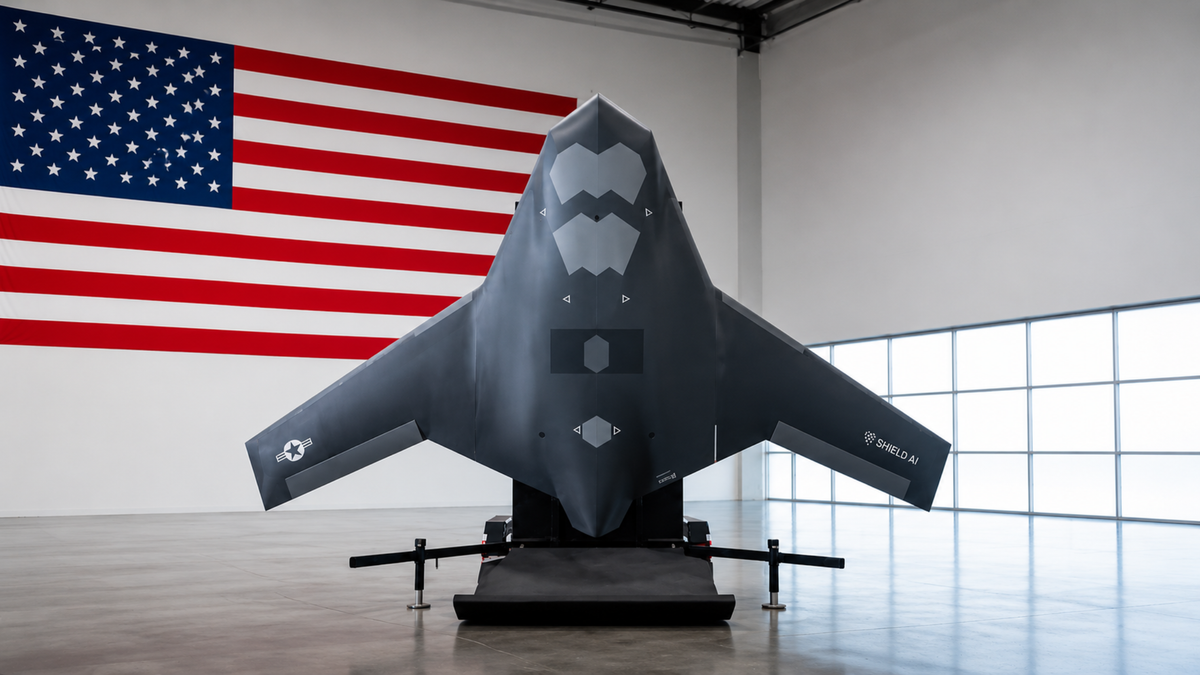
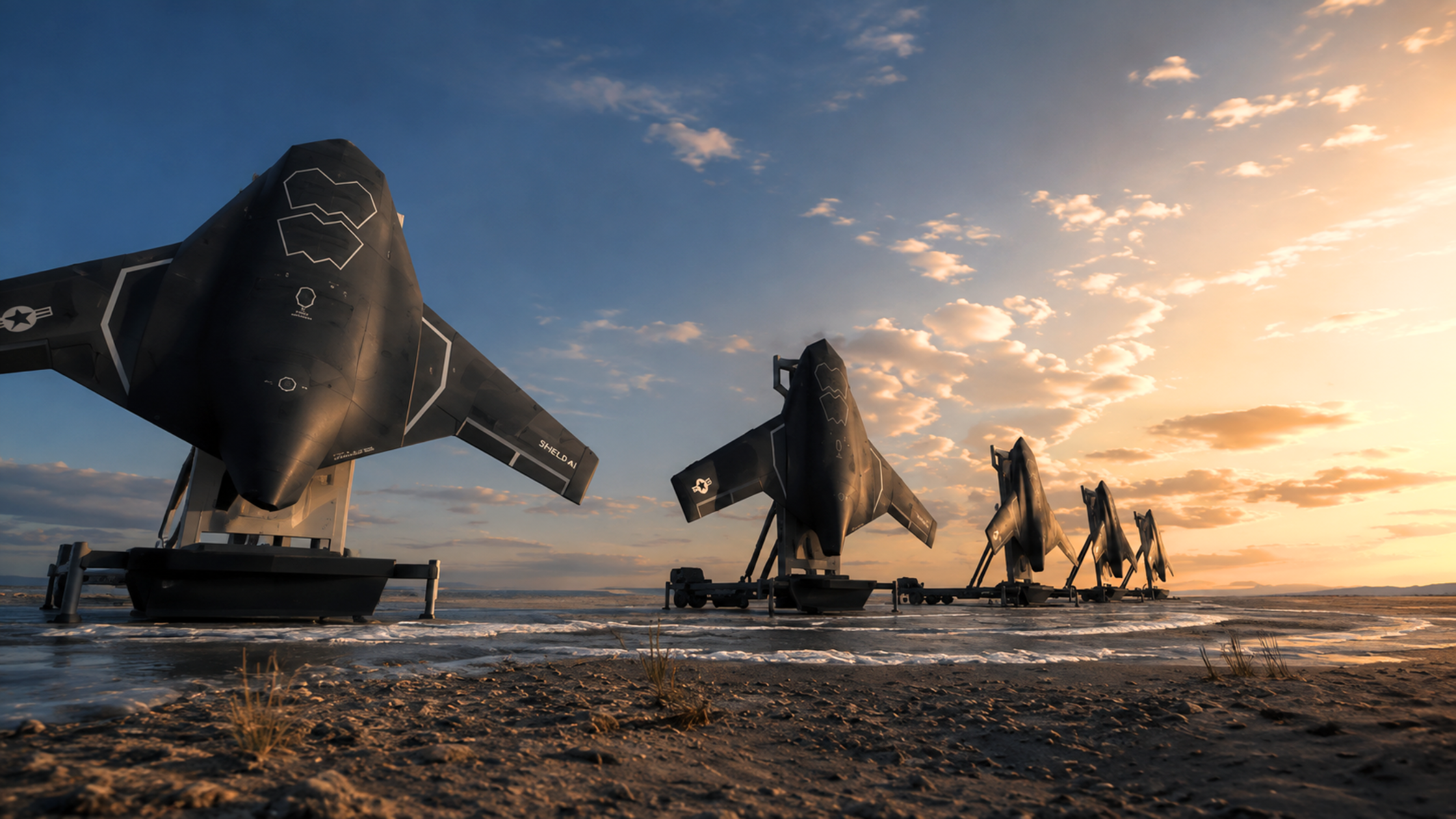
Shield AI has landed a $50 million investment from the U.S. Navy to push ahead with its X-BAT autonomous aircraft, a runway-free combat drone designed to bring long-range firepower to places conventional aircraft cannot reach.
The funding comes through the Navy’s Runway Independent Maritime & Expeditionary Strike (RIMES) effort, which is looking for new ways to put strike aircraft aboard ships and at remote forward locations without the need for traditional runways.
A Combat Aircraft That Doesn't Need a Runway
The X-BAT is built to take off and land vertically, allowing it to operate from ships, small forward bases, and other austere locations. Shield AI says the aircraft could travel more than 2,000 nautical miles and fly above 50,000 feet.
That could give Navy commanders another option for projecting airpower far from a traditional carrier strike group.
AI at the Controls
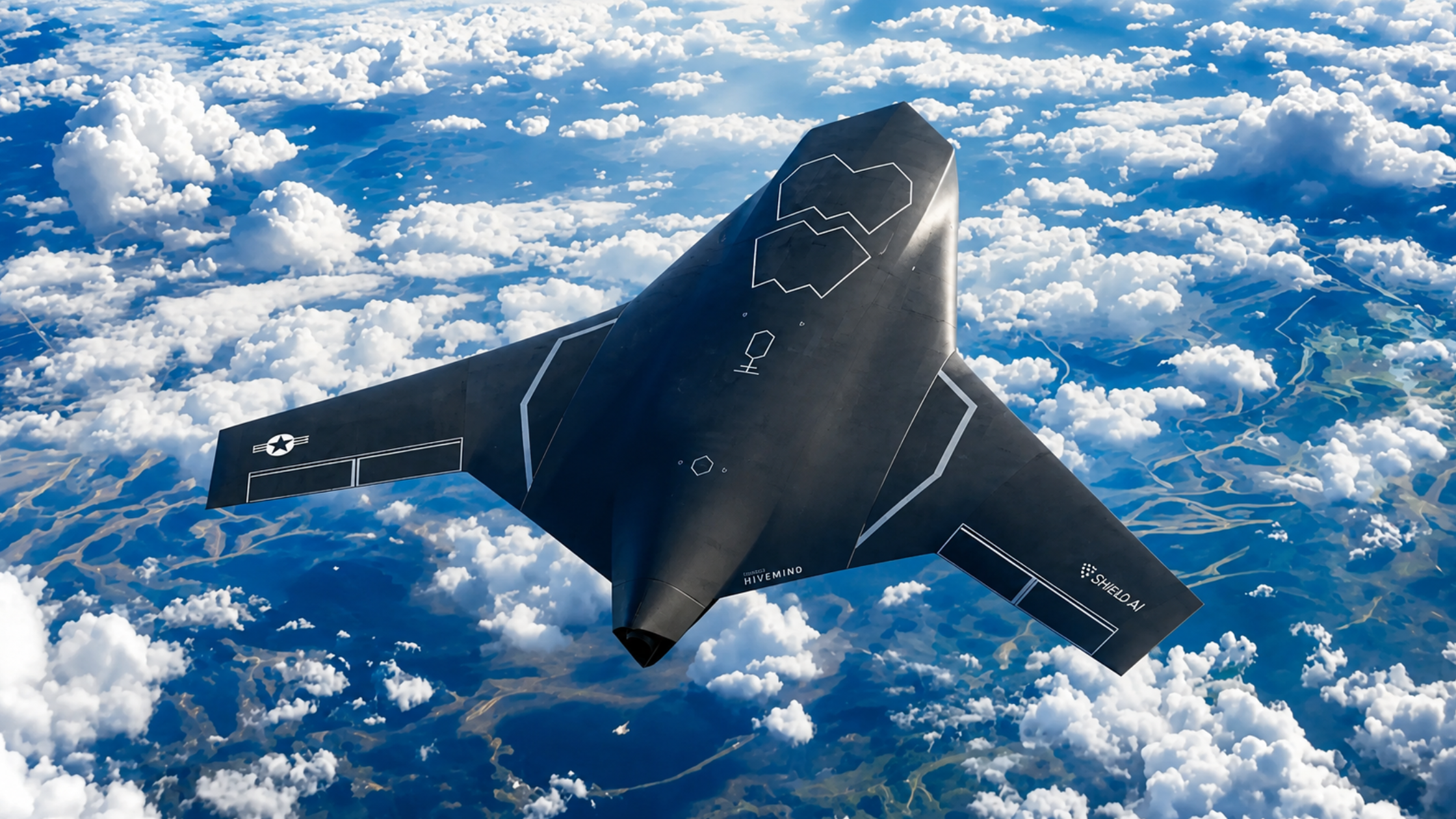
Unlike conventional remotely piloted drones, X-BAT is being designed around Shield AI’s Hivemind autonomy system. The software is intended to let the aircraft perform missions with limited human input, including in environments where GPS signals and communications may be jammed.
The aircraft is being developed for strike, surveillance, electronic warfare, and air-combat missions, potentially making it more than just another reconnaissance drone.
Fighter Engine, Vertical Flight
The aircraft is powered by a GE Aerospace F110 engine, paired with an Axisymmetric Vectoring Exhaust Nozzle, or AVEN, that helps redirect engine thrust for vertical operations.
Shield AI and GE Aerospace recently completed engine integration and light-off testing — an important step toward getting the X-BAT into the air.
Navy Competition Is Heating Up
Shield AI isn't the only company chasing the Navy's runway-independent strike requirement. Mach Industries and AeroVironment are also participating in the RIMES program, giving the Navy multiple designs to evaluate.
The competition reflects a broader Pentagon push toward autonomous aircraft that can operate from dispersed locations and survive in heavily contested battle zones.
The Real Test Comes Next
X-BAT remains a development program, not an operational Navy aircraft. Shield AI is targeting its first flight in 2026, with mission capability planned for 2028.
If the aircraft delivers on its promises, the Navy could eventually have a new kind of weapon: an autonomous, reusable aircraft capable of launching from a ship, flying deep into contested territory, and returning without ever needing a conventional runway.
Author: Kevin Macmellon