Russian satellites may have helped Iran destroy a U.S. E-3 Sentry aircraft in Saudi Arabia
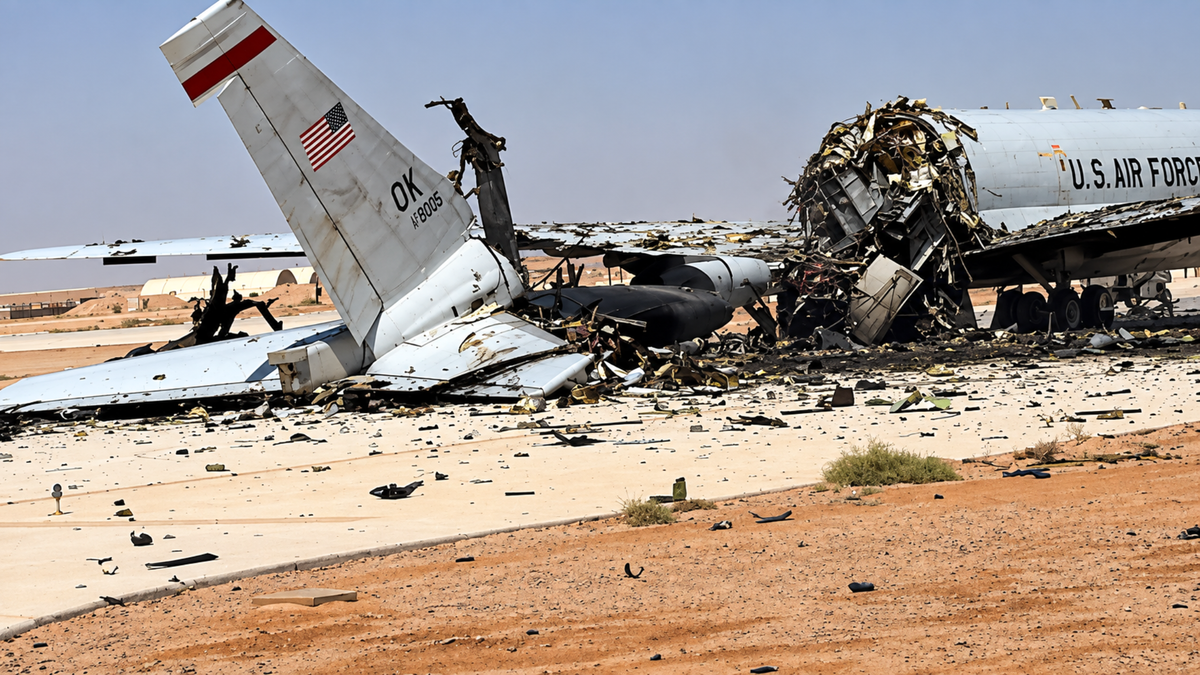
Russian reconnaissance satellites may have provided intelligence that helped Iran locate and strike a U.S. E-3 Sentry AWACS aircraft at Prince Sultan Air Base in Saudi Arabia, according to a CNN investigation published in September.
The evidence points to a possible intelligence connection, but CNN said it did not obtain the Russian satellite imagery itself or independently establish that the imagery was transferred to Iran.
Russian Satellites Passed Over Prince Sultan Air Base
CNN's analysis found that 14 Russian reconnaissance satellites passed over the U.S. base in the days before the March 27 Iranian attack. The group reportedly included Cosmos-2573, several signals-intelligence satellites, infrared satellites and synthetic-aperture radar spacecraft.
The different satellite systems could potentially collect several types of information, including imagery, electronic emissions, infrared signatures and changes in the positions of military equipment.
Iran Destroyed an E-3 Sentry
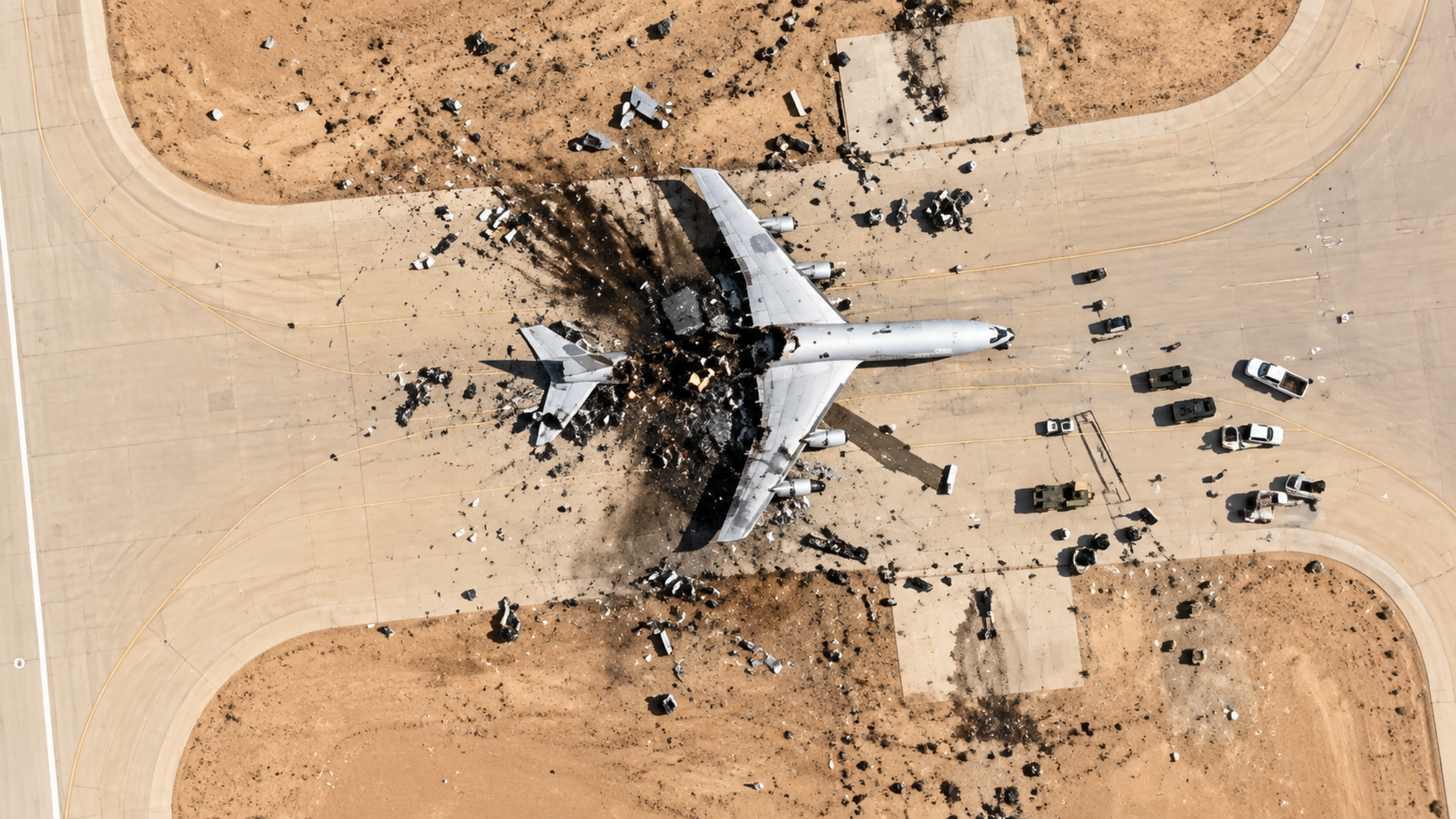
The Iranian attack on Prince Sultan Air Base involved missiles and drones and injured 12 U.S. personnel, according to reporting on the incident. The strike also destroyed or heavily damaged an E-3 Sentry, an airborne early-warning and control aircraft used to detect and track airborne threats and coordinate other aircraft.
The aircraft was reportedly not in its usual prewar position when it was struck, making the ability to locate it particularly significant. CNN's sources said Russian space-based intelligence may have contributed to the precision of the attack.
Earlier Reports Also Pointed to Russian Intelligence Support
The CNN investigation follows earlier reporting that Russia was providing Iran with intelligence on U.S. military positions in the Middle East.
In March, The Washington Post, citing three U.S. officials, reported that Russia had supplied Iran with information about the locations of American aircraft and warships.
Reuters later reported that a Ukrainian intelligence assessment identified at least 24 Russian satellite surveys of 46 sites across 11 Middle Eastern countries between March 21 and March 31. The assessment said the information could have helped Iran target U.S. forces and other facilities.
Evidence of Satellite Assistance Remains Limited
There is an important distinction between evidence that Russian satellites observed the base and evidence that Russia delivered specific targeting data to Iran.
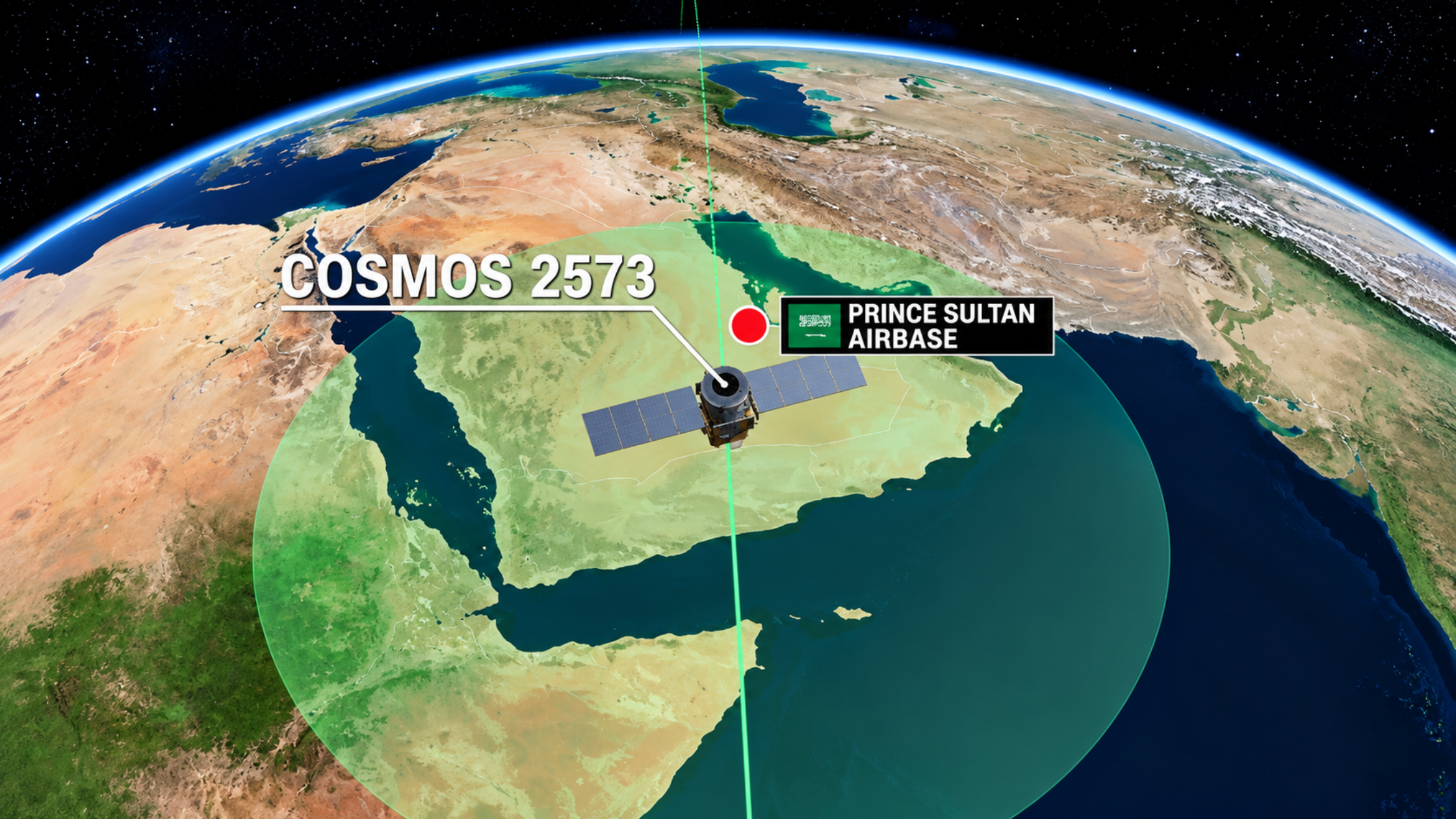
CNN said it did not have access to the actual Russian satellite images and instead analyzed orbital information with space-industry specialists. Its sources said Russian satellites provided targeting information to Iran, while the network acknowledged that the precise extent of the assistance remains uncertain.
A New Role for Space-Based Intelligence
The reported incident highlights how satellite reconnaissance can influence modern warfare without satellites directly participating in an attack. High-resolution imaging, radar observations, electronic intelligence, and infrared sensing can potentially help identify the location and movement of military assets.
In this case, the alleged Russian assistance could have helped Iran locate a highly valuable airborne command-and-control aircraft at a base thousands of kilometers from Iran, although the available public evidence does not establish every step between satellite collection and the Iranian strike.
Author: Kevin Macmellon