RTX’s Raytheon Wins $745 Million Contract for SM-3 Block IIA Interceptors
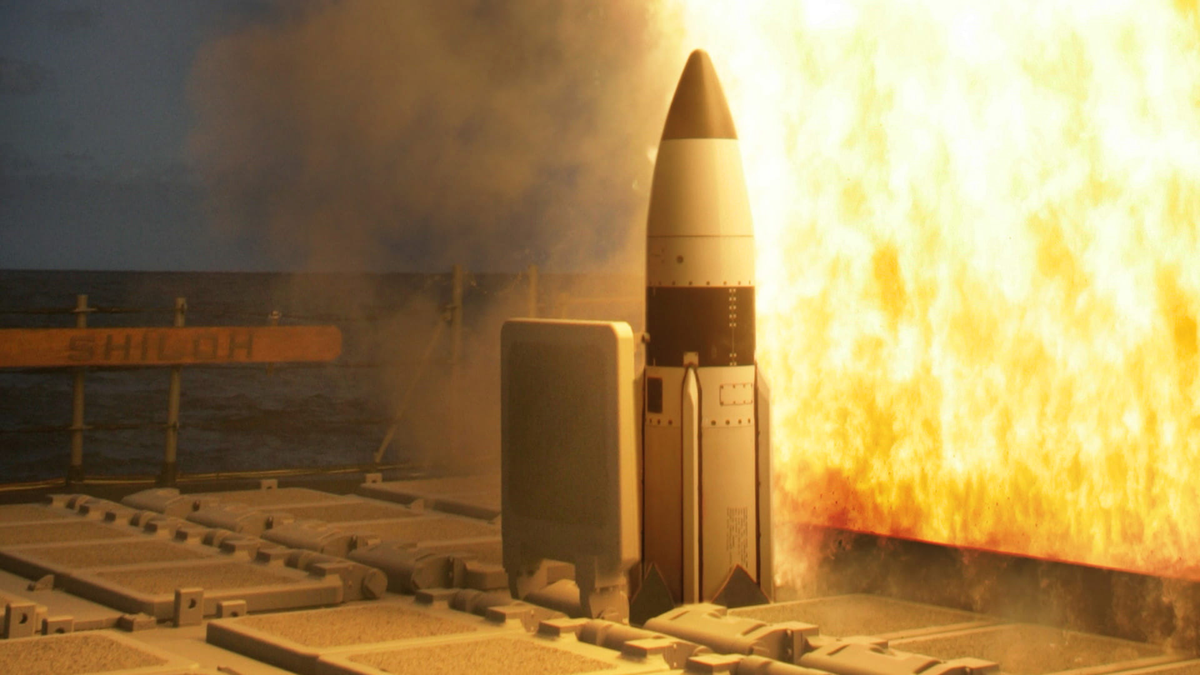
RTX’s Raytheon has received a $745 million contract from the U.S. Missile Defense Agency (MDA) to produce and sustain Standard Missile-3 Block IIA (SM-3 IIA) interceptors. The award is intended to strengthen U.S. and allied missile-defense readiness as ballistic-missile threats continue to evolve.
Expanding SM-3 IIA Production
The contract covers the production and sustainment of SM-3 IIA interceptors, adding capacity to a critical U.S. missile-defense program. The SM-3 IIA is jointly developed by the United States and Japan and is designed for use with the Aegis Ballistic Missile Defense system.
The Missile Defense Agency's FY2026 budget documents identify Raytheon as the manufacturer for the SM-3 IIA and show planned production rates that can reach up to four missiles per month, although actual deliveries depend on contract and production schedules.
Designed to Intercept Ballistic Missiles Outside the Atmosphere
Unlike conventional surface-to-air missiles that generally engage targets within the atmosphere, the SM-3 is an exo-atmospheric interceptor. Its kill vehicle uses a hit-to-kill approach, striking an incoming ballistic-missile warhead with kinetic energy rather than relying on a conventional explosive warhead.
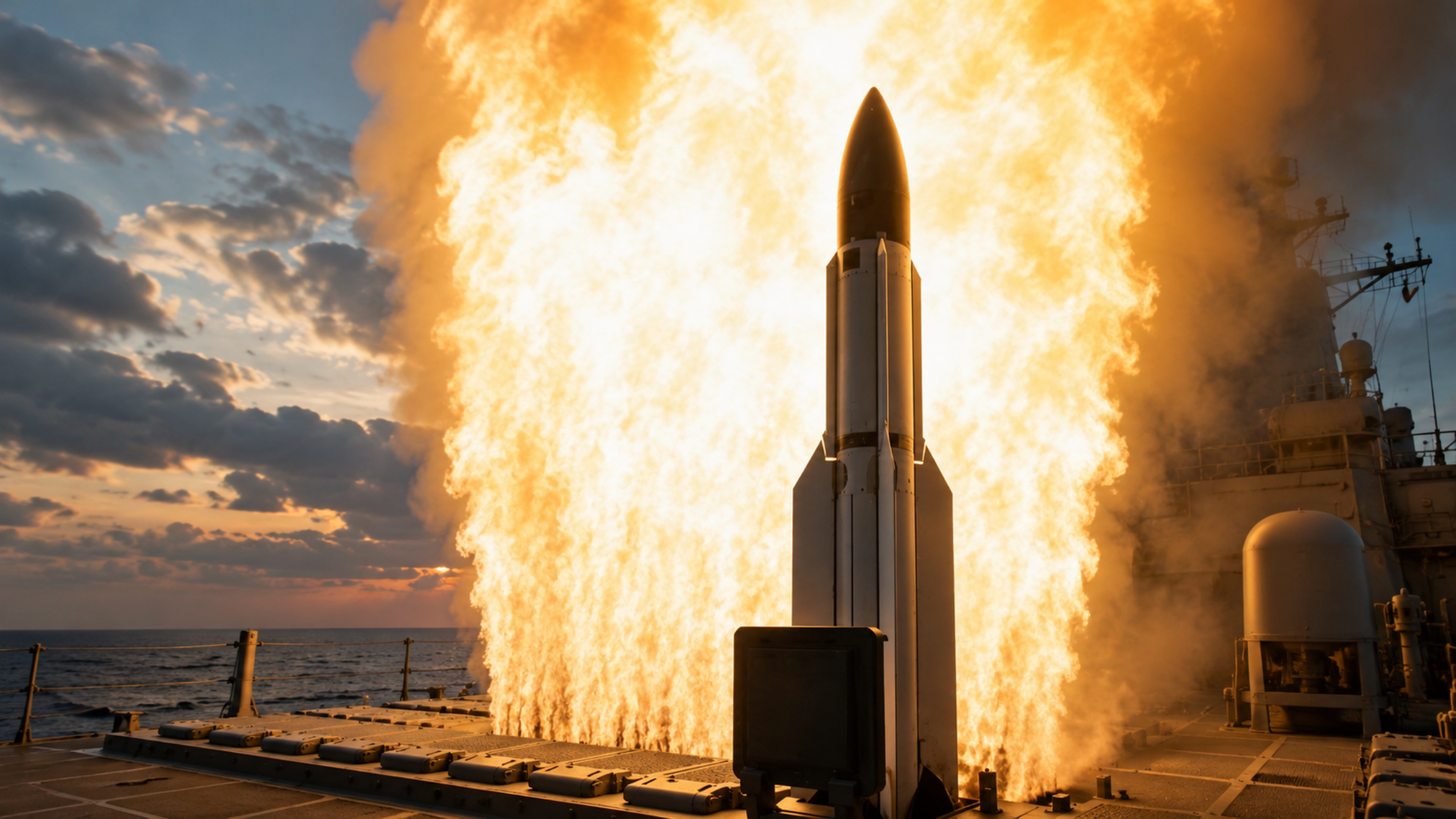
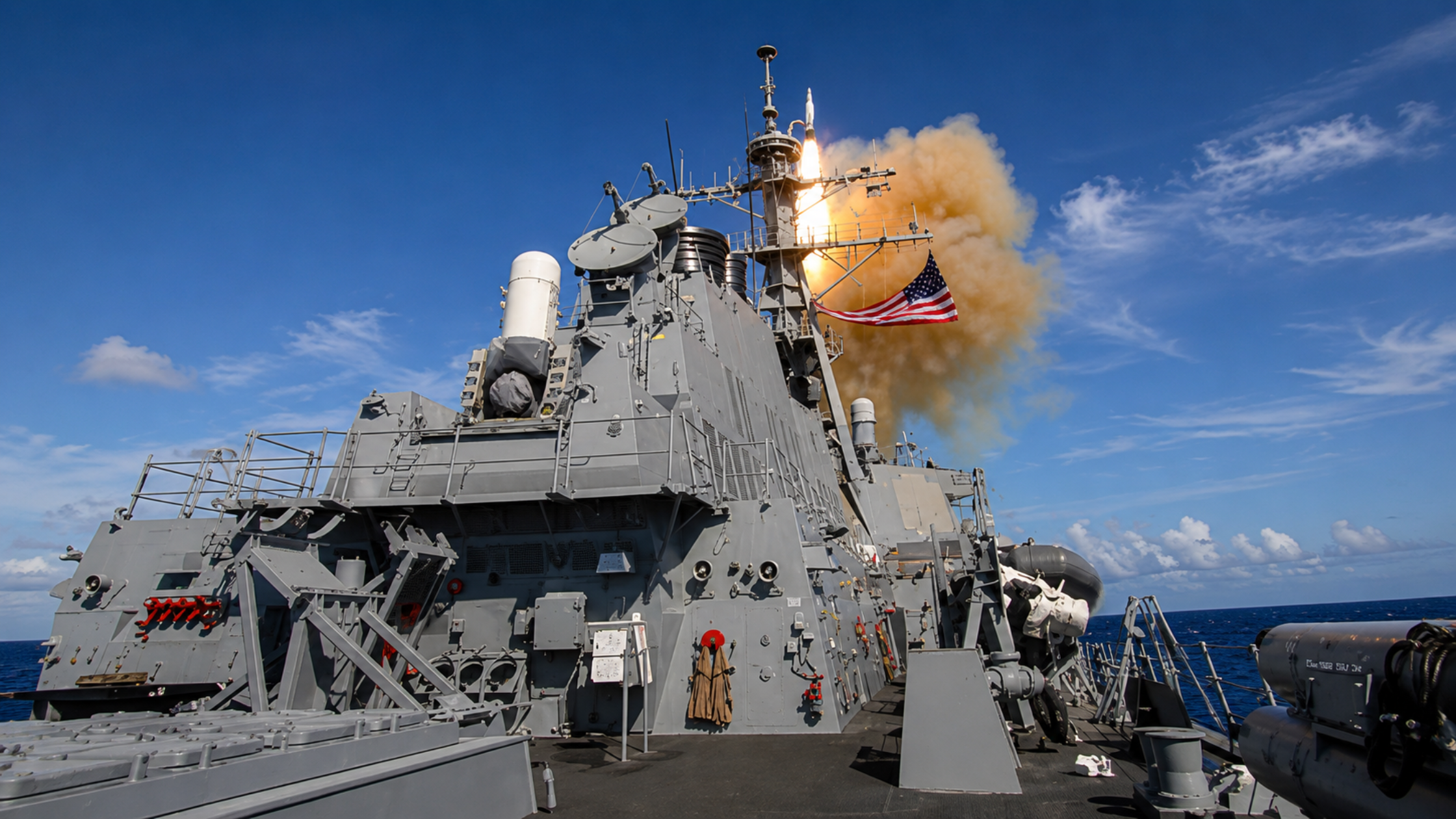
The Block IIA represents a major evolution of the SM-3 family, with a larger-diameter design and greater speed and range than earlier variants. It can be launched from Mk 41 Vertical Launch System cells aboard Aegis-equipped ships and from land-based Aegis Ashore installations.
U.S.-Japan Missile Defense Partnership
SM-3 IIA is also an important example of U.S.-Japan defense cooperation. The two countries jointly developed the interceptor, with Japanese industry contributing significantly to elements including the nosecone and propulsion stages.
The latest contract therefore goes beyond simply purchasing additional missiles. It supports the broader effort to maintain and expand a production base for an interceptor that forms a key part of U.S. and allied layered ballistic-missile defense.
A Key Interceptor for Aegis
The SM-3 IIA is intended to provide Aegis forces with an extended-range capability against ballistic-missile threats during the midcourse phase of flight. The system has also demonstrated the ability to engage increasingly demanding target profiles, including a 2020 developmental test against an ICBM-class target, although that test was intended to assess feasibility rather than establish an operational ICBM-defense capability.
The $745 million award underscores Washington's continuing investment in interceptor production as missile threats become more sophisticated and the demand for U.S. and allied air-and-missile defense capacity increases.
Author: Kevin Macmellon