Rheinmetall Warns ATACMS Production Ramp-Up Will Take Years as U.S. Rebuilds Missile Stocks
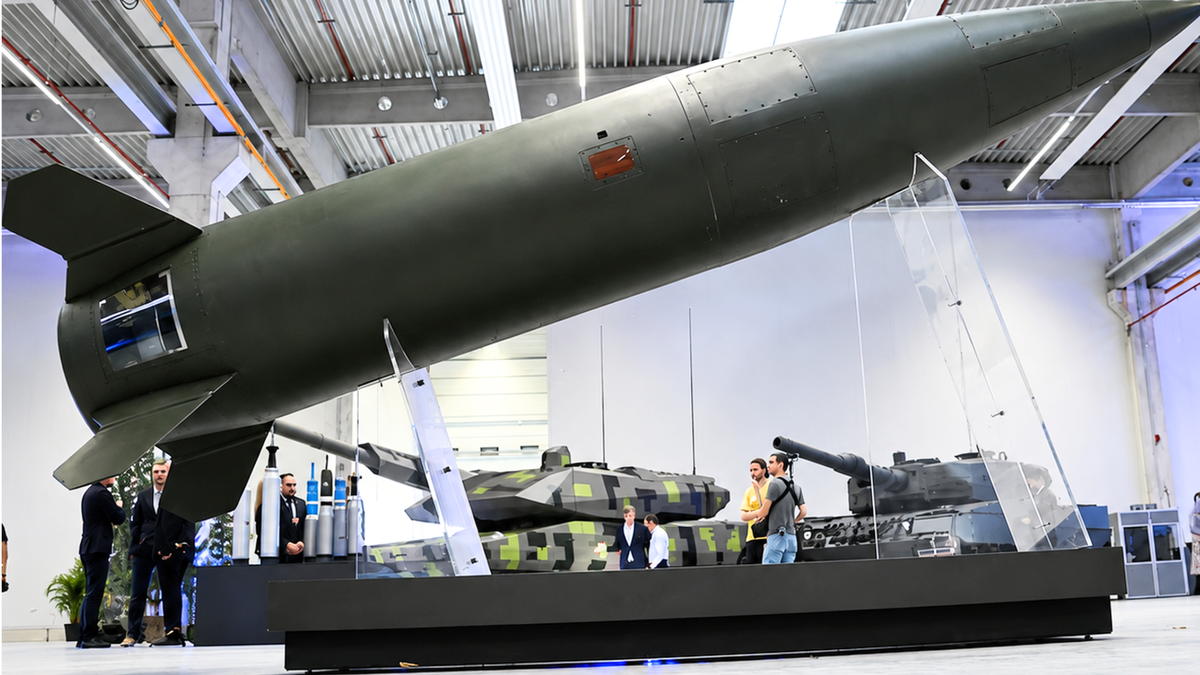
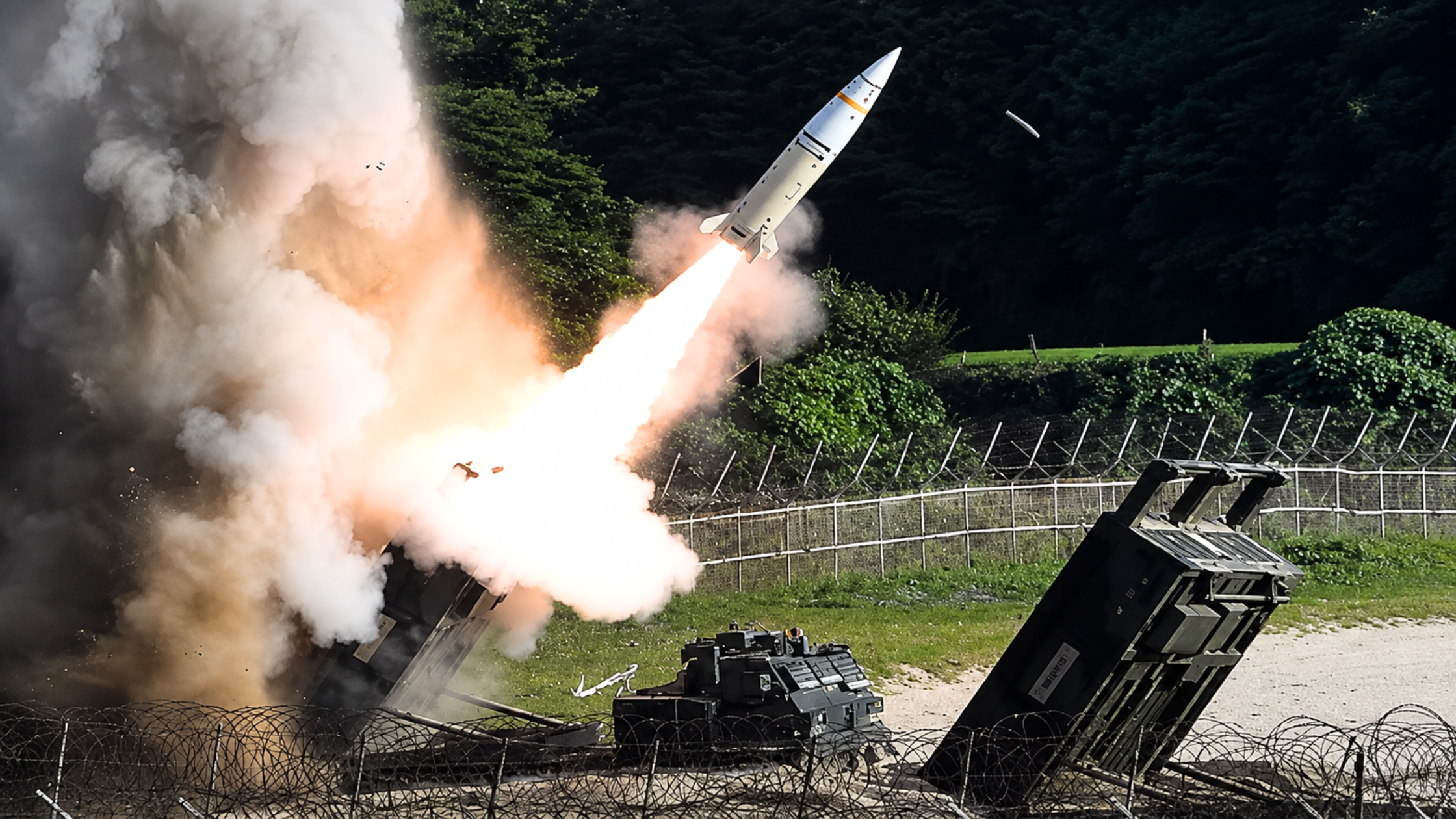
Rheinmetall has warned that increasing ATACMS production will take considerably longer than two years, as the United States works to replenish depleted stocks of long-range precision missiles. The German defense company is preparing to establish an ATACMS production capability at its Unterlüß facility in northern Germany through a planned partnership with Lockheed Martin.
Germany to Become a New ATACMS Production Hub
Rheinmetall and Lockheed Martin signed a memorandum of understanding in July to move toward joint ATACMS production in Europe. The planned facility at Unterlüß is intended to become the first ATACMS manufacturing, integration and distribution center outside the United States, serving NATO and other European allies. Production facilities are expected to be established in 2027, subject to the required approvals.
Rheinmetall CEO Armin Papperger said the new production capacity could also help replenish U.S. inventories, but rebuilding those stocks will take much longer than two years. The company expects the joint venture to begin generating revenue in 2028.
U.S. Missile Stocks Under Pressure
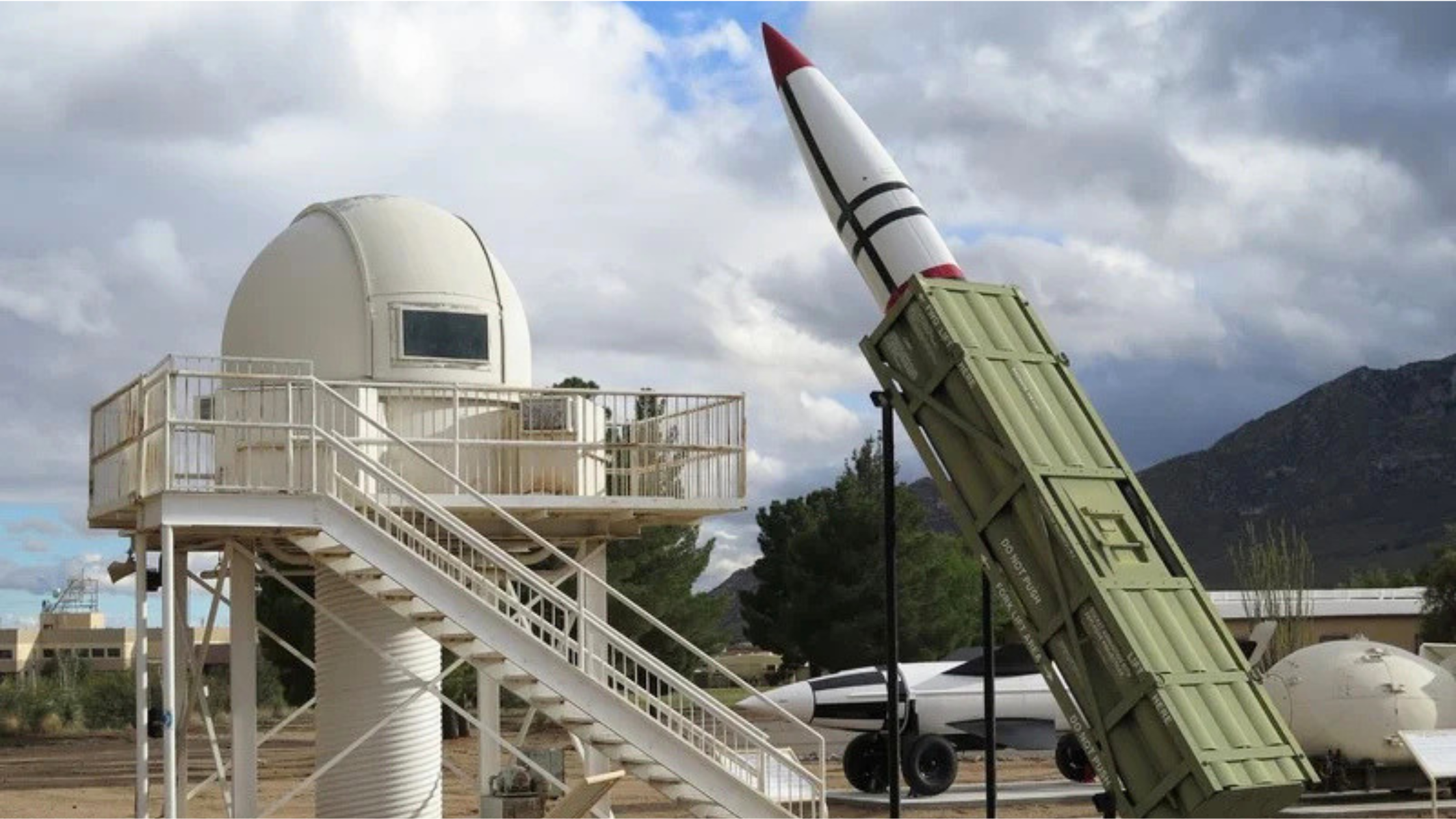
The production push comes after extensive use of U.S. long-range precision weapons during the five-month conflict with Iran. Reuters reported that the U.S. Army had used a large portion of its global stockpile of long-range precision missiles, raising concerns about the time required to restore inventories.
The situation highlights a broader challenge facing the U.S. defense industry: modern precision weapons can be produced much more slowly than they can be consumed during a major conflict. Expanding production therefore requires new facilities, specialized equipment, trained workers and additional supply-chain capacity.
ATACMS Production Meets Growing Global Demand
The planned Rheinmetall-Lockheed Martin partnership is also aimed at meeting growing demand from European and other allied customers. Rheinmetall said the partners expect a market for ATACMS and related capabilities for many years, while Lockheed Martin will continue operating its existing production line in Camden, Arkansas, during the transition.
The development also comes as Lockheed Martin accelerates production of the Precision Strike Missile (PrSM), the newer U.S. Army system intended to succeed ATACMS. This creates a transition period in which the United States must simultaneously replenish legacy ATACMS inventories while expanding the next generation of long-range strike capabilities.
A Long-Term Industrial Challenge
The Rheinmetall announcement demonstrates that rebuilding strategic missile inventories is not simply a matter of increasing orders. Establishing additional production capacity takes years, particularly for complex guided missiles that rely on specialized components and manufacturing processes.
With the planned German facility, Rheinmetall and Lockheed Martin are attempting to expand the industrial base while giving European allies a regional source of ATACMS. However, the message from Rheinmetall is clear: restoring depleted missile inventories will be a long-term effort rather than a rapid production surge.
Author: Kevin Macmellon