Northrop Grumman Signs $3 Billion in Missile Production Agreements to Expand U.S. Air Defense Manufacturing
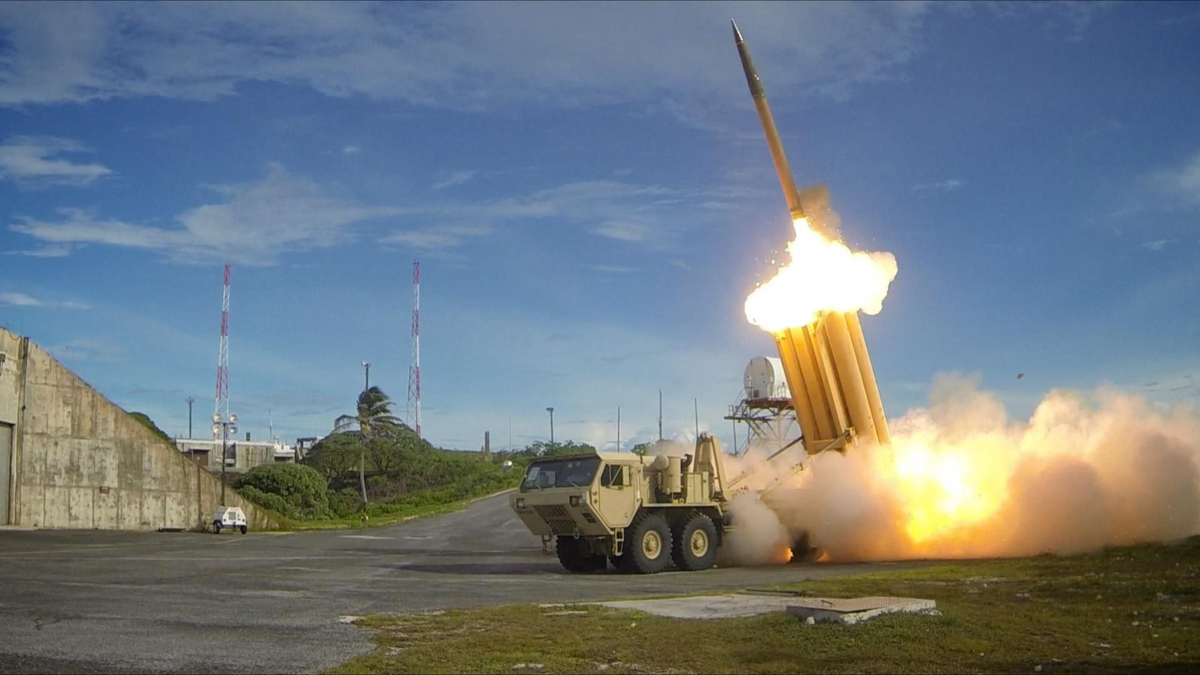
Northrop Grumman has signed more than $3 billion in multi-year missile production agreements with the U.S. Department of Defense and Lockheed Martin to significantly expand the manufacturing of critical components for America's air and missile defense systems.
The agreements are designed to accelerate production, strengthen the defense industrial base, and replenish missile inventories in response to growing global demand and increased operational requirements.
Expanding Production of Patriot and THAAD Components
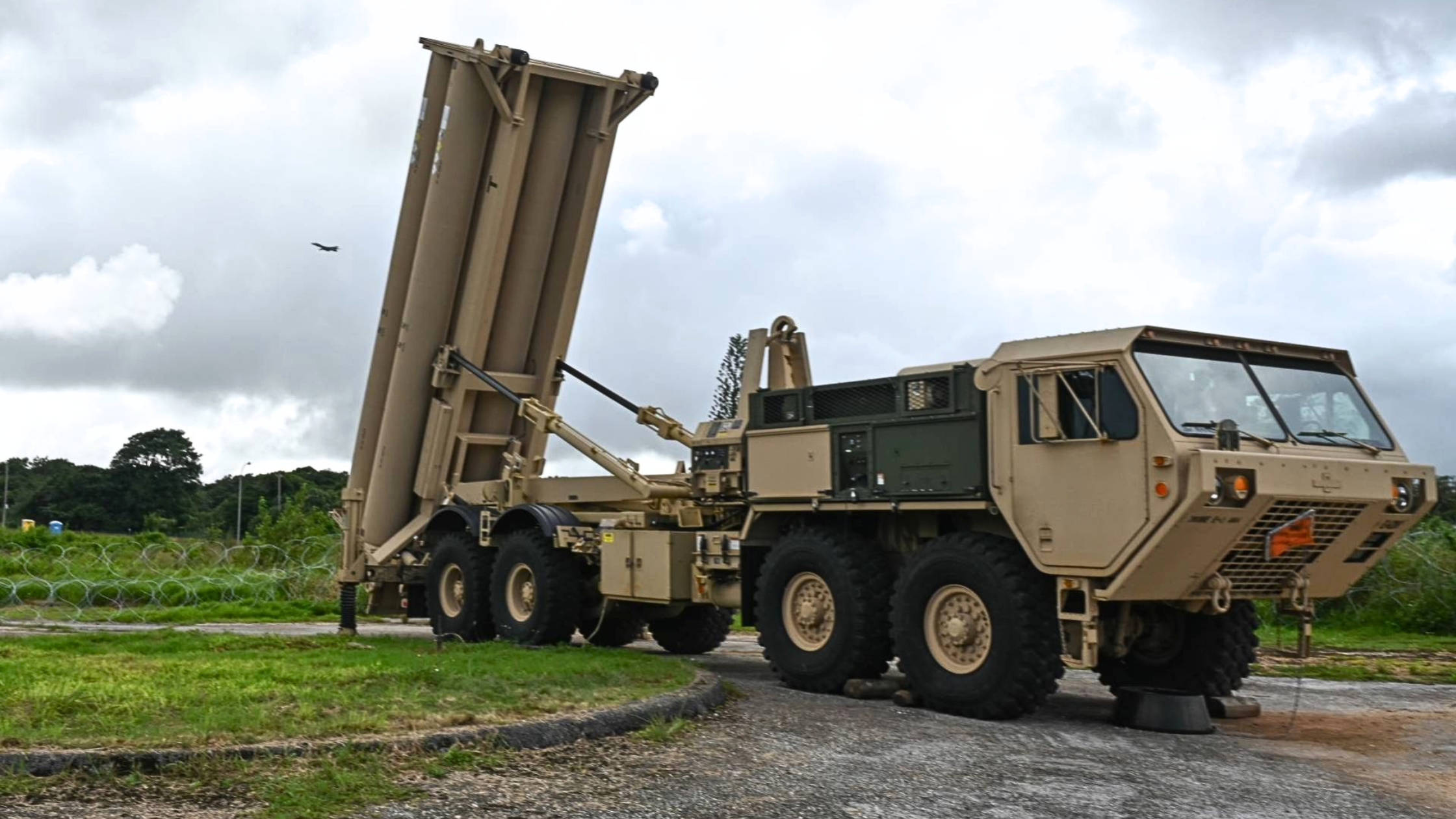
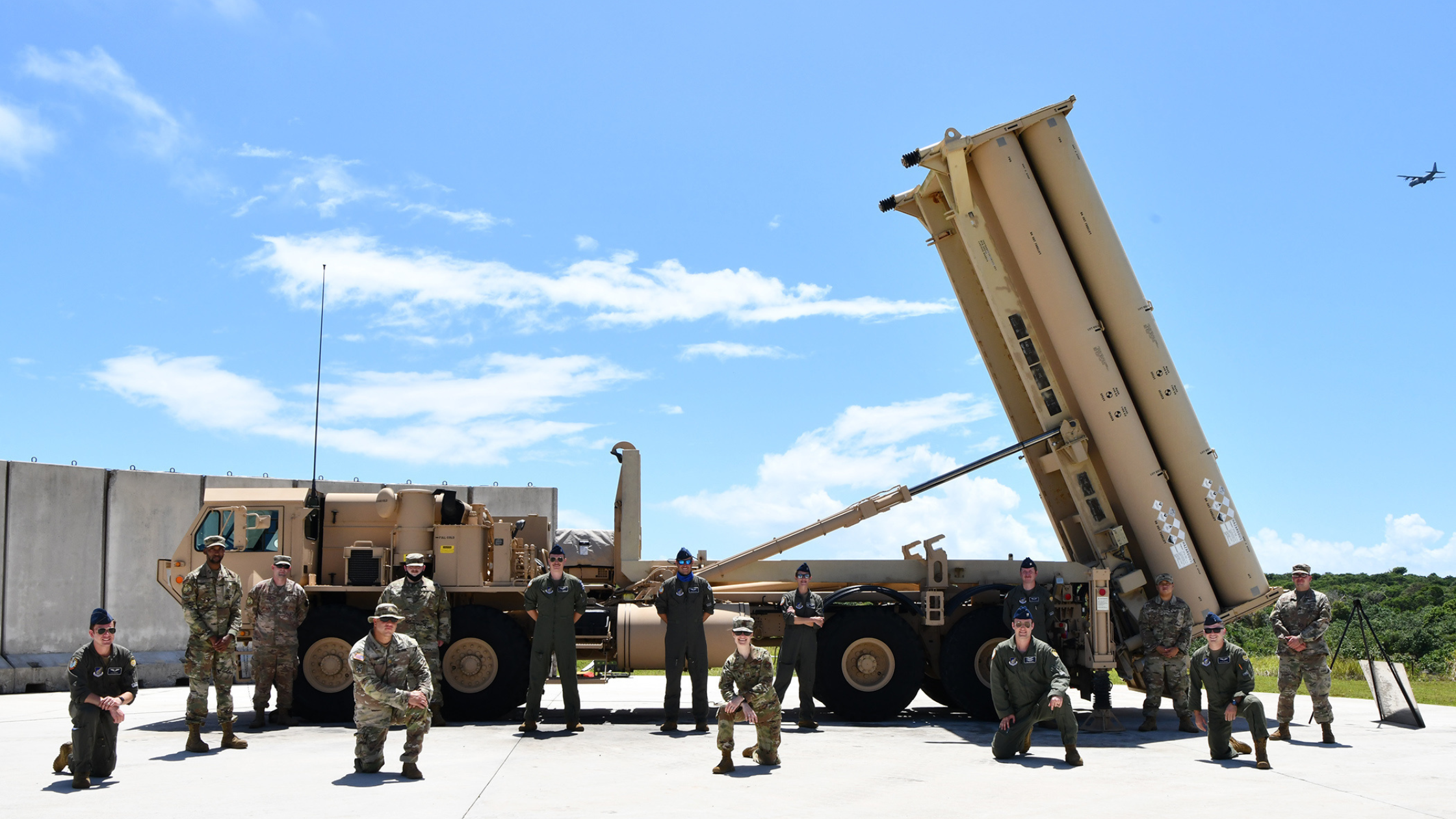
The new framework agreements include a $2 billion contract under which Northrop Grumman will supply solid rocket motors, ignition safety devices, and other critical propulsion components for U.S. air and missile defense systems. A separate $1 billion agreement focuses on substantially increasing the monthly production of components for the Terminal High Altitude Area Defense (THAAD) system over the next seven years.
Strengthening the U.S. Missile Defense Industrial Base
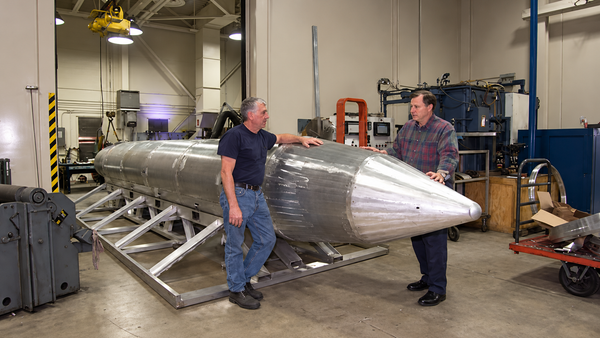
Northrop Grumman said it has invested more than $2 billion since 2019 to modernize and expand its manufacturing facilities across West Virginia, Utah, and Maryland. These investments are expected to double and, in some cases, triple production capacity for solid rocket motors and other essential missile components, enabling faster delivery of interceptors to U.S. and allied forces.
Supporting Patriot and THAAD Missile Production
The expanded manufacturing effort will directly support two of the United States' most important air defense systems:
- Patriot interceptors, which provide protection against tactical ballistic missiles, cruise missiles, and aircraft.
- THAAD interceptors, designed to destroy short- and intermediate-range ballistic missiles during their terminal phase using hit-to-kill technology.
Under the new agreements, production capacity is expected to triple for Patriot-related components and quadruple for THAAD components, helping restore missile stockpiles while meeting increasing operational demand.
Meeting Growing National Security Requirements
The agreements are part of a broader Pentagon initiative to rapidly expand missile production as the United States strengthens its air and missile defense capabilities. Rising global tensions and the need to replenish interceptor inventories have prompted the Department of Defense to establish long-term framework agreements that give defense manufacturers greater confidence to invest in production facilities, workforce expansion, and supply-chain resilience.
By expanding production capacity for critical missile components, Northrop Grumman is expected to play a central role in supporting the next generation of Patriot and THAAD air defense systems while reinforcing the long-term readiness of U.S. and allied missile defense forces.
Author: Kevin Macmellon