Lockheed Martin and Pentagon Agree on 850+ F-35 Fighter Jets in 10-Year Framework

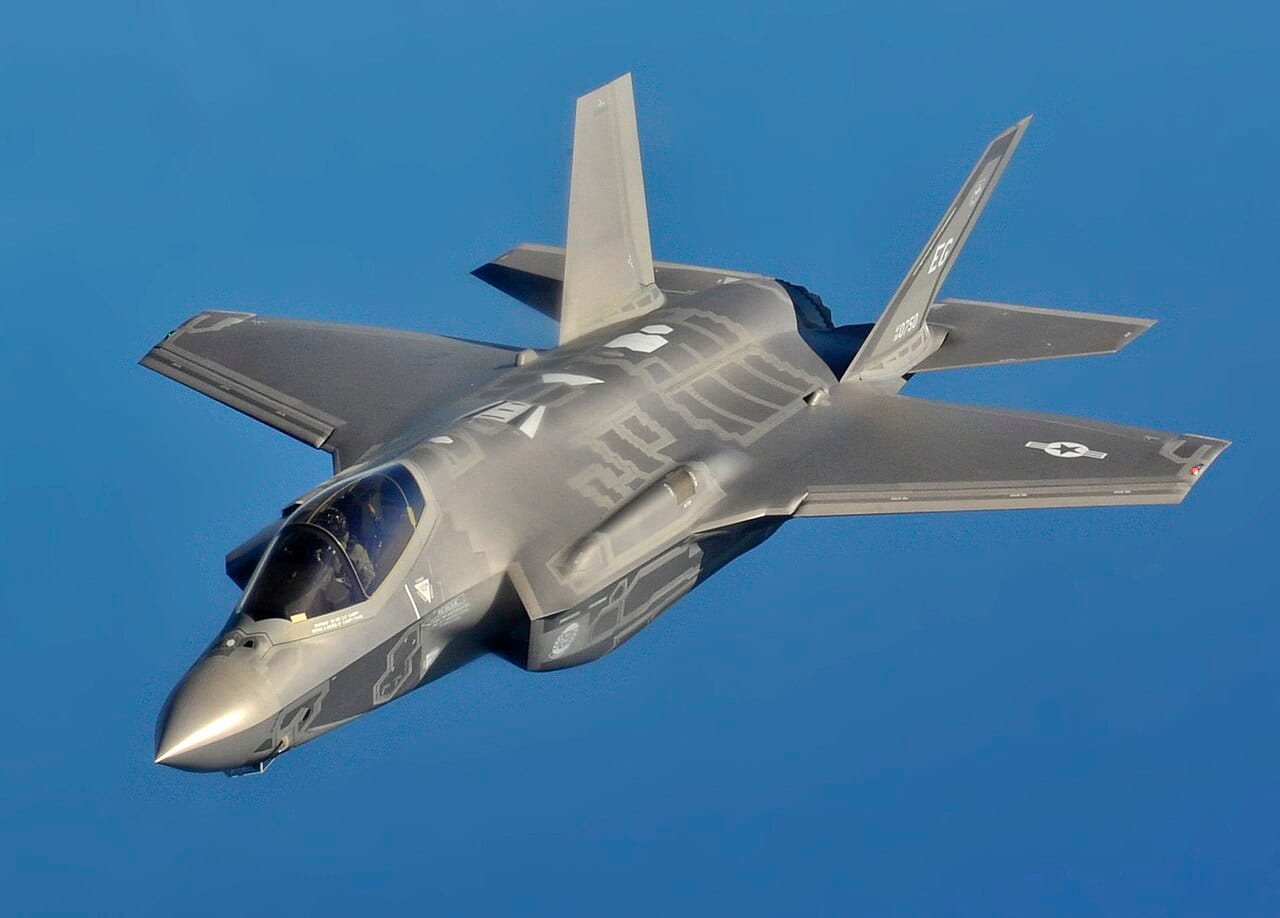
Lockheed Martin and the U.S. Department of War signed a framework agreement valid for ten years on October 22, 2026, for the procurement of not less than 850 F-35 Lightning II aircraft by the U.S. military.
The agreement applies to lots 21 to 30 and is designed to give more certainty to the production of aircraft, supplier investment, and support of aircraft fleets over the period. As per the announcement issued by Lockheed Martin, the agreement also applies to orders from international customers.
Production Goals and Package Offers
With the agreement, production is expected to take place at around 156 airplanes per year for the benefit of both U.S. and foreign customers. In addition to producing the new planes, the deal also involves the provision of initial spares and ten years of modification kits and sustainment support.
This is important because, aside from producing the advanced fighter planes, there are other things that need to be considered for the planes to become operable, such as having adequate spare parts and maintenance.
Lockheed Martin Invests $7 Billion in the Project
As per the agreement, Lockheed Martin will use its own funds for at least $7 billion worth of projects relating to the F-35 aircraft project, as reported by the U.S. Department of War.
As per the company, more insight on future demand will allow it to invest in its capacity, increase efficiencies, and build an effective supplier network. According to Lockheed Martin, the program provides employment to around 317,000 people in the United States and contributes $79 billion worth of economic output annually.
Aircraft Readiness Remains a Key Problem
Moreover, this framework gives importance to sustainment and readiness. It is important to note that a fighter is operationally relevant not only due to its quantity but also because of its availability whenever necessary.
The U.S. Government Accountability Office noted the persistent difficulties of sustaining the F-35 fleet. As per Defense News figures, the mission-capable rate of the F-35 decreased from 67% in fiscal year 2021 to 44% in fiscal year 2025. However, more reliable acquisition of parts could lead to fewer maintenance problems.
The Congress' Approval will Dictate What Happens Next
Even after this announcement, however, the agreement will have to go through the process of Congressional approval and funding before it becomes a definitive multi-year contract.
It is now the responsibility of the F-35 Joint Program Office and Lockheed Martin to work out the details of the contract. The cost of the contract has not been revealed by either the Defense Department or Lockheed Martin. As Air & Space Forces Magazine points out, there are more approvals required for its implementation. The success or failure of the agreement will be determined based on its results.
Sources: Lockheed Martin | U.S. Department of War | Reuters | Defense News | Air & Space Forces Magazine
Author: Kevin Macmellon