Jet Airways Liquidator Moves NCLAT Against Boeing, Seeks $92 Million Refund for Undelivered Aircraft
Jet Airways’ liquidators have approached the National Company Law Appellate Tribunal (NCLAT), where the tribunal has already ruled against their application seeking recovery of $92.13 million from American aircraft maker Boeing.
The sum includes advance and pre-delivery payments made for planes which were not delivered to Jet Airways. On November 3, 2026, NCLAT sent notices to Boeing, seeking a response to the appeal raised by the liquidator. The matter is to come up before the Tribunal in the first week of December. Business Standard
Dispute Traces Back to Aircraft Orders Signed in 2013
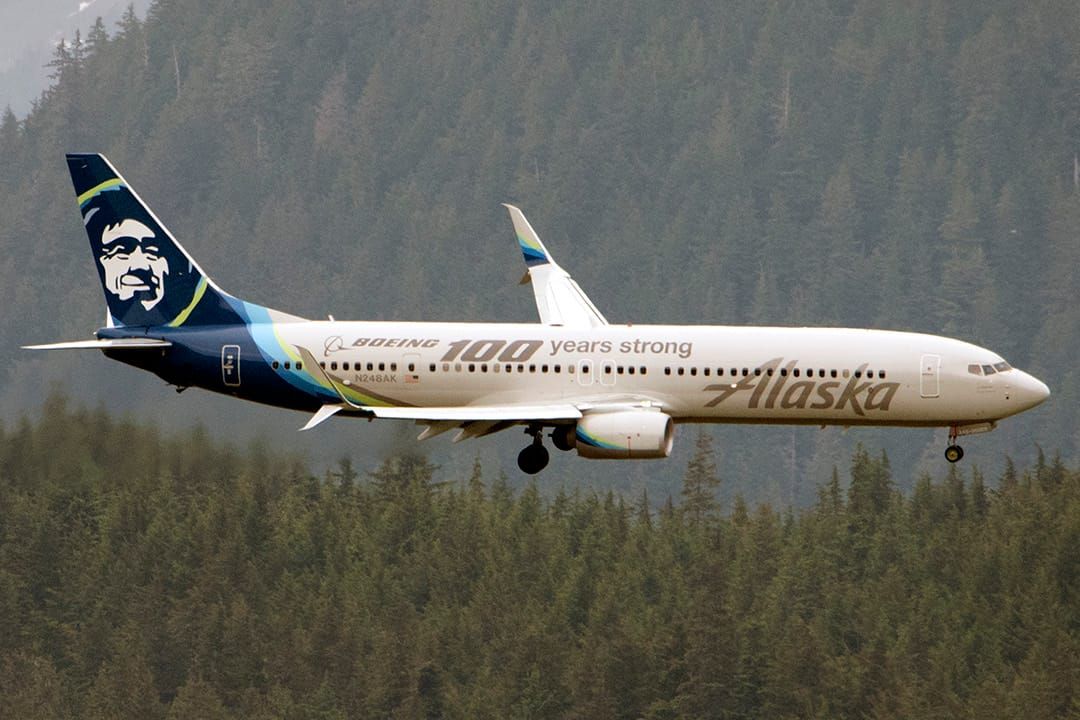
The reason for this dispute stems from two agreements made between Jet Airways and Boeing in 2013 regarding the purchase of airplanes. This involved the Boeing 737-8 and 787-9 planes, for which the Indian company made advance and pre-delivery payments worth $92.13 million.
Unfortunately, Jet Airways became increasingly cash-strapped and could not make further payments on the same. Boeing gave out a suspension notice in May 2019 and a termination notice in December 2020. None of these airplanes was delivered under these agreements, according to Livelaw.
Why Boeing Is Opposing the Refund
Satish Kumar Gupta, the liquidator of Jet Airways, has claimed that the advance payments must be refunded since these payments are part of the liquidation estate of the airline.
It is alleged that while retaining the advance payments, Boeing had separately filed claims for dues owed to it during the liquidation process. Boeing, on the other hand, contends that these payments have been set off against the larger claim against Jet Airways. Boeing has been citing clauses that permit the set-off of mutual dues in insolvency liquidation rules.
NCLT Rejected the Initial Refund Application
On September 11, 2026, the NCLT of Mumbai Bench refused to accept the application for the recovery of the sum of money amounting to $92.13 million by the liquidator. It was noted that it would be necessary to look into the contracts and evidence from both sides to resolve the controversy.
However, the contracts were not produced before the court because they were confidential in nature. In that context, the NCLT refused to take cognizance of the dispute under insolvency. It did not finally resolve the question of whether Boeing was legally entitled to keep or reduce the amount.
Author: Kevin Macmellon