L3Harris Secures $4.7 Billion Contract to Expand Patriot Interceptor Production
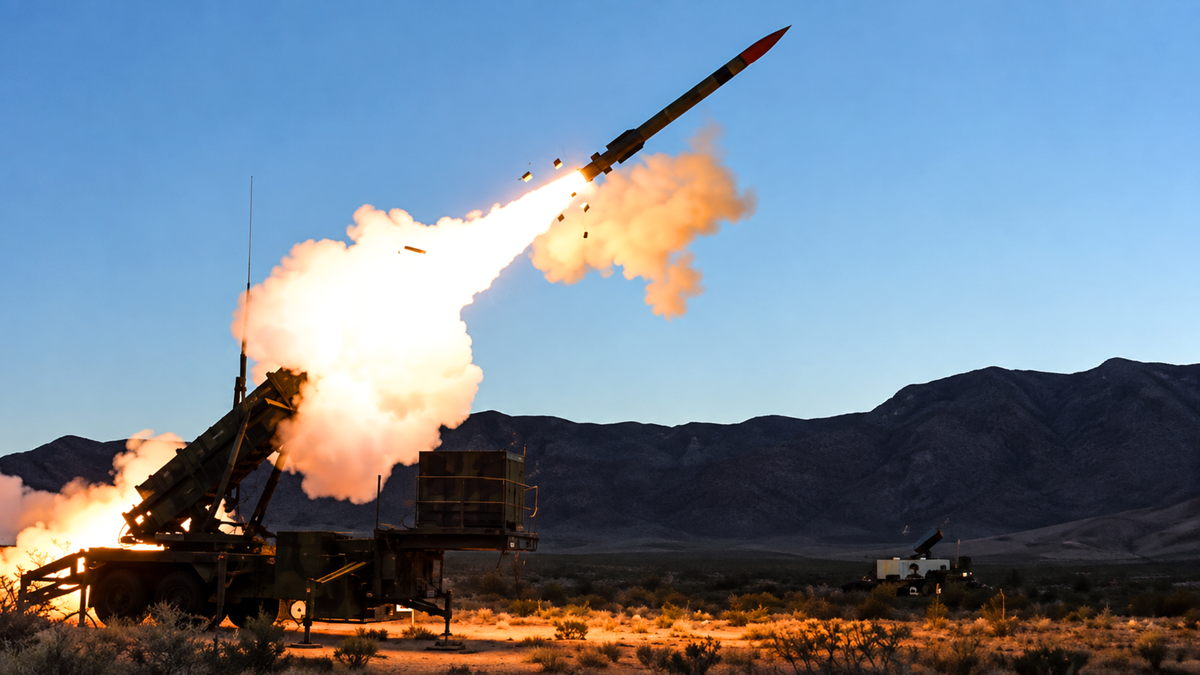
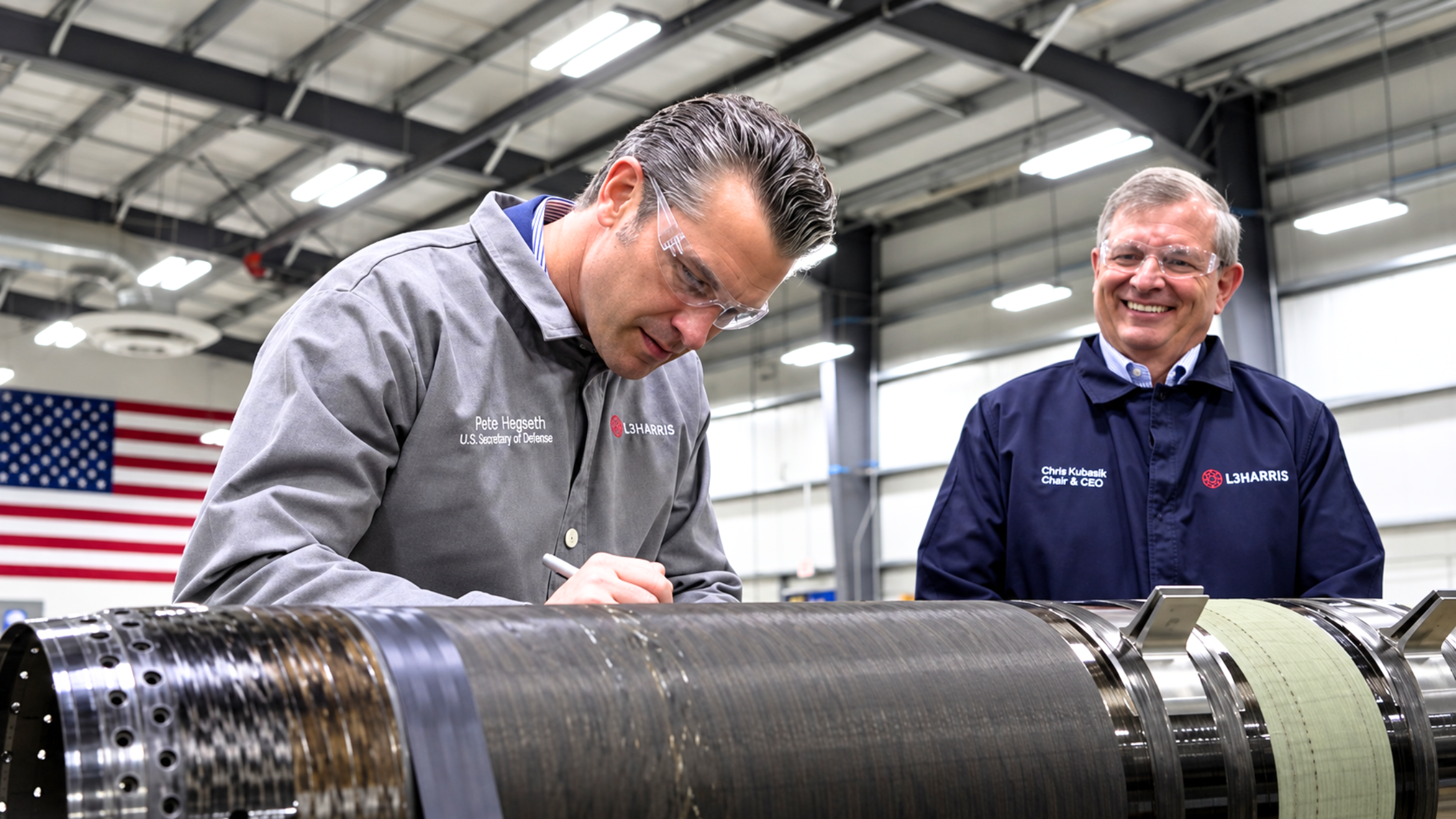
L3Harris Technologies has received a $4.7 billion contract from Lockheed Martin to expand production of propulsion systems and other critical components for the Patriot PAC-3 Missile Segment Enhancement (MSE) interceptor.
The seven-year agreement is intended to strengthen the U.S. missile-defense industrial base and support rising demand for advanced interceptors from the United States and allied nations.
Contract Covers Key PAC-3 MSE Components
The contract includes the production of the PAC-3 MSE’s dual-pulse solid rocket motors, Attitude Control Motors, and Lethality Enhancers.
These components are essential to the interceptor’s performance. The dual-pulse motor provides propulsion during different stages of flight, while the attitude-control system enables rapid maneuvering as the missile approaches its target. The Lethality Enhancer supports the interceptor’s hit-to-kill engagement capability.
Production Capacity Could Reach 2,000 Interceptors Annually
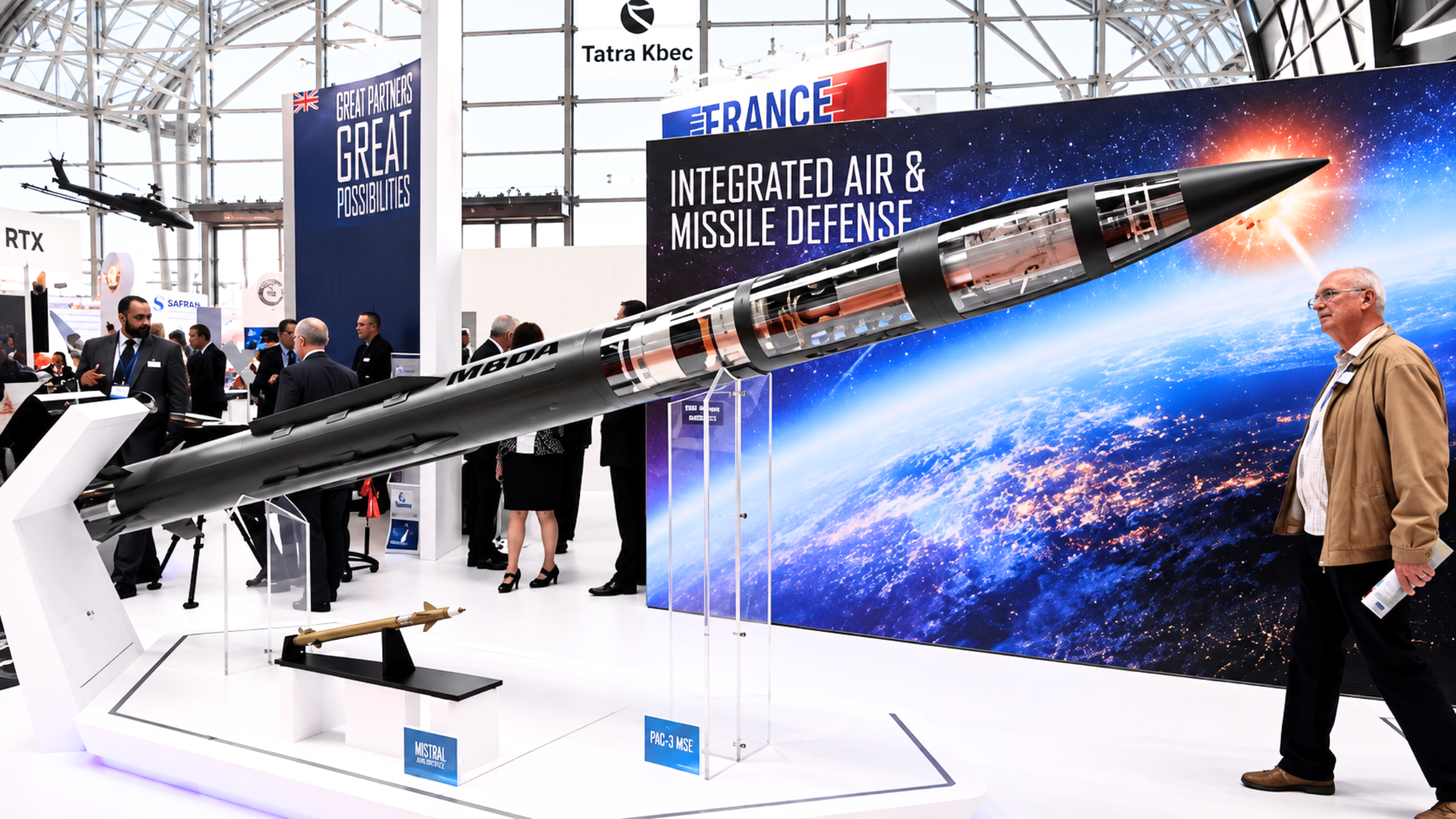
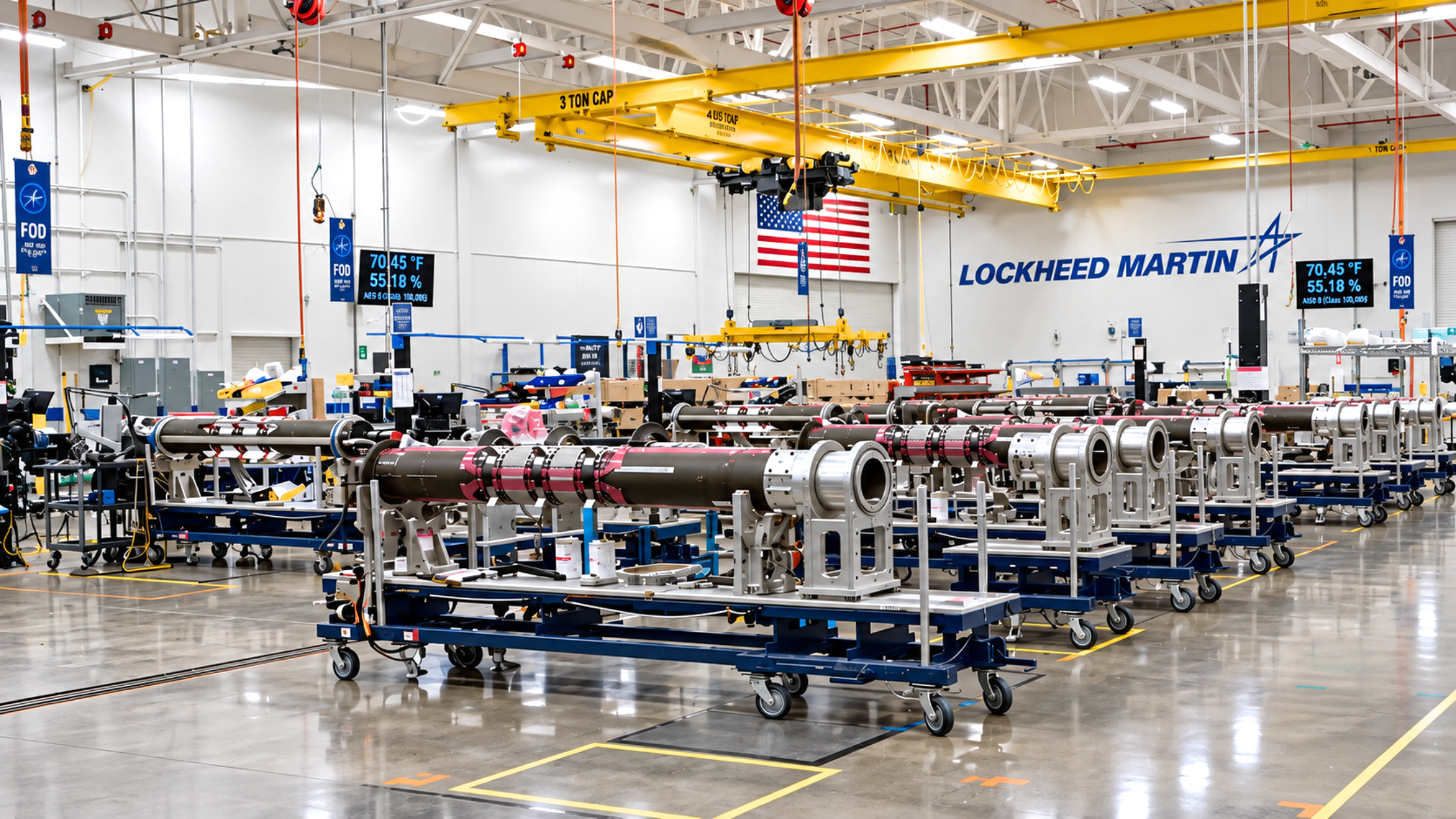
The agreement supports a broader U.S. effort to increase annual PAC-3 MSE production from approximately 600 interceptors to around 2,000 by 2030.
To support the expansion, L3Harris is developing additional manufacturing capacity at its facilities in Camden, Arkansas. Two new facilities are expected to become operational in 2027, while the company is also introducing expanded production equipment and automated inspection systems.
Patriot Demand Rises Amid Global Conflicts
The Patriot system has become increasingly important as the United States and its allies face growing missile threats and depleted interceptor stocks.
Patriot PAC-3 MSE interceptors are designed to counter tactical ballistic missiles, cruise missiles, and aircraft. Recent conflicts and increased military assistance to partners have intensified pressure on the U.S. defense industry to replenish inventories and accelerate missile production.
Part of a Wider U.S. Missile-Defense Expansion
The L3Harris agreement forms part of a larger Pentagon initiative to accelerate production of critical missile-defense components. The U.S. government has also pursued long-term agreements supporting the Patriot and Terminal High Altitude Area Defense (THAAD) programs.
Lockheed Martin is simultaneously expanding its own production infrastructure, with a stated goal of increasing PAC-3 MSE output while modernizing manufacturing facilities across the United States.
Strengthening the Defense Industrial Base
The contract is expected to provide greater long-term production stability for L3Harris and Lockheed Martin while improving the availability of Patriot interceptors for U.S. forces and international customers.
However, the agreement is described as an undefined contract award, meaning that some final contractual and funding details still need to be completed.
Author: Kevin Macmellon