Israel and Greece sign $3.5 billion deal for missile defense
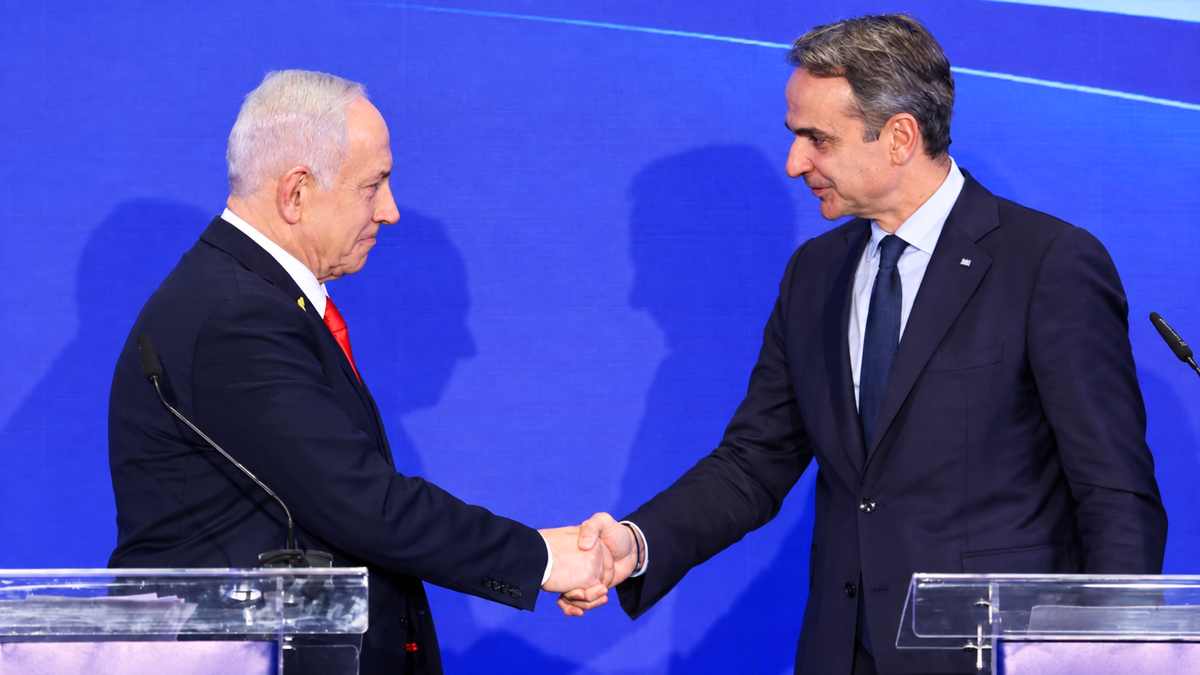
Israel and Greece have signed a €3 billion defense agreement, worth approximately $3.5 billion, to develop a comprehensive, multi-layered air and missile defense network for Greece.
The agreement, signed on August 31, 2026, is the largest defense deal in the history of Israel–Greece relations. The system, known as “Achilles Shield,” is intended to protect Greek territory and critical infrastructure against ballistic missiles, aircraft, cruise missiles and drones.
Multi-Layered Israeli Defense Systems
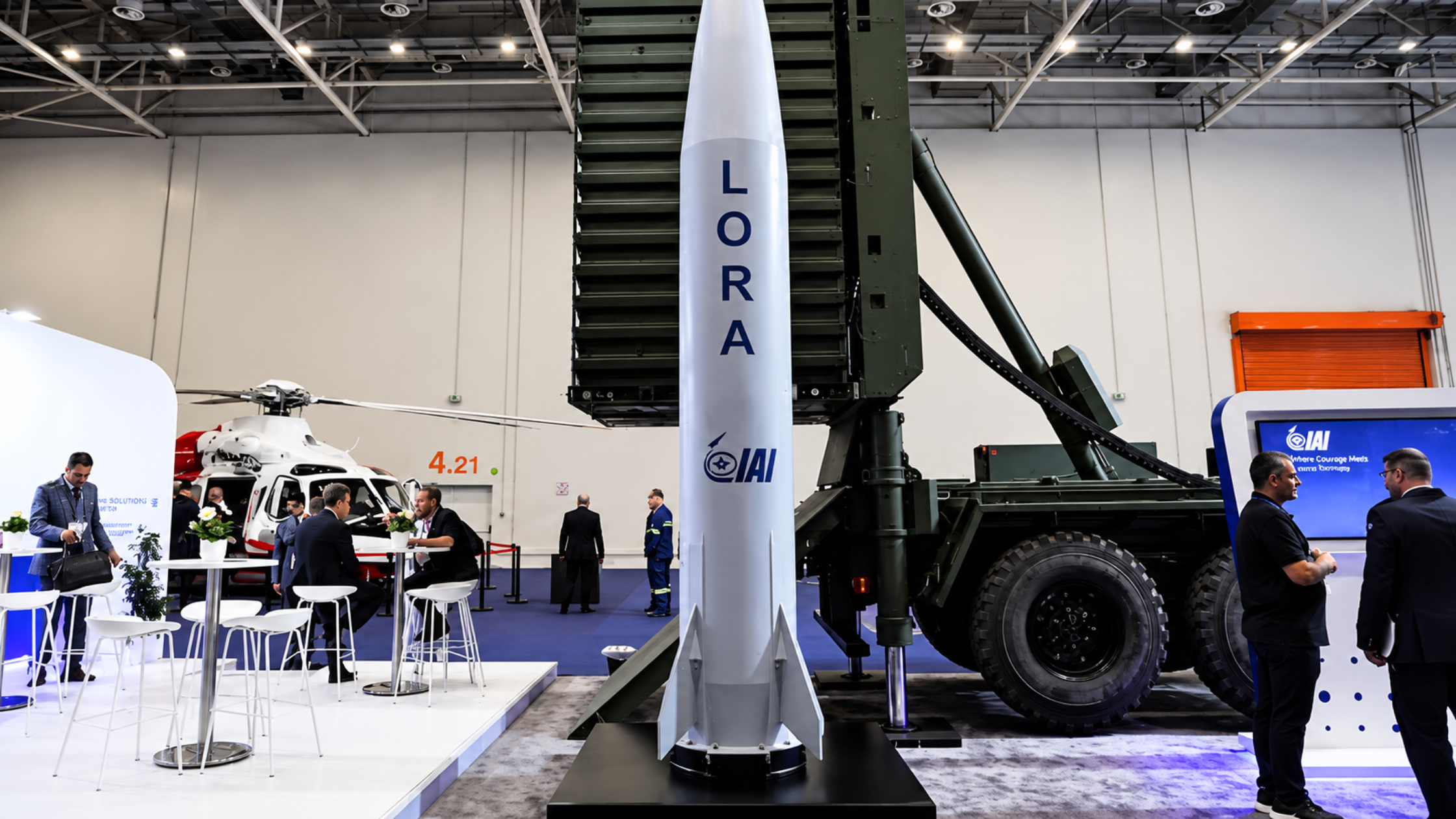
The planned network will combine several Israeli-developed defense systems. These include Rafael’s David’s Sling and SPYDER, as well as the BARAK MX system produced by Israel Aerospace Industries.
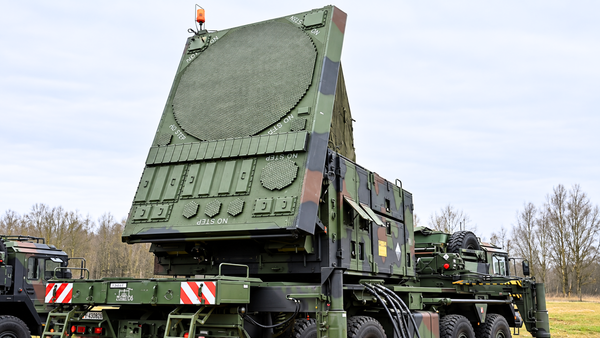
The agreement also includes MMR multi-mission radars manufactured by IAI’s ELTA Systems division. These sensors will support air surveillance and help coordinate responses against different types of aerial threats.
Greece to Receive New Command-and-Control Network
A major part of the agreement is the development of a new national command-and-control system for Greece. Developed by Rafael, the network will integrate the country’s air-defense assets into a more unified architecture.
This approach is designed to allow Greek forces to detect, track and respond to threats through a coordinated system rather than relying on separate missile batteries operating independently.
Additional Drone Defense Agreement
Alongside the main €3 billion contract, Israel and Greece have signed a separate agreement worth approximately €26 million for Rafael’s Drone Dome counter-unmanned aircraft system.
Drone Dome is intended to protect strategic locations from hostile drones, which have become a growing concern for military installations, energy infrastructure and other high-value targets.
Part of Greece’s Wider Military Modernization
The Achilles Shield project forms part of Greece’s broader Agenda 2030 military modernization effort. Athens plans to invest approximately €28 billion through 2036 in new defense capabilities, including air-defense systems, fighter aircraft and naval platforms.
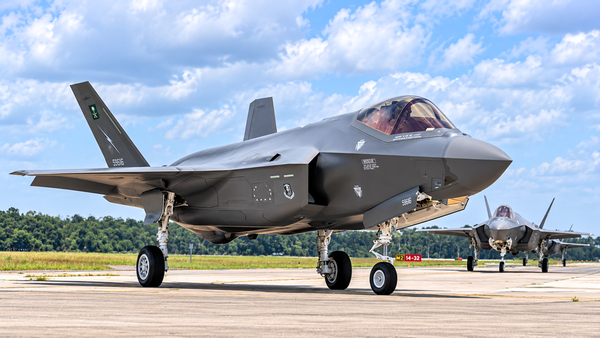
Greece is also planning to acquire up to 40 F-35 fighter jets and additional frigates as it seeks to modernize its armed forces and strengthen its ability to respond to regional security challenges.
Growing Strategic Partnership Between Athens and Jerusalem
The agreement reflects the expanding defense and security relationship between Israel and Greece. The two countries have increased cooperation in military training, air operations, cybersecurity, energy security and counter-drone technologies.
Their partnership has been strengthened by shared concerns about instability in the Eastern Mediterranean and the wider Middle East. Greece’s longstanding tensions with Turkey have also influenced Athens’ efforts to improve its air-defense and missile-defense capabilities.
Israel Expands Its Defense-Export Industry
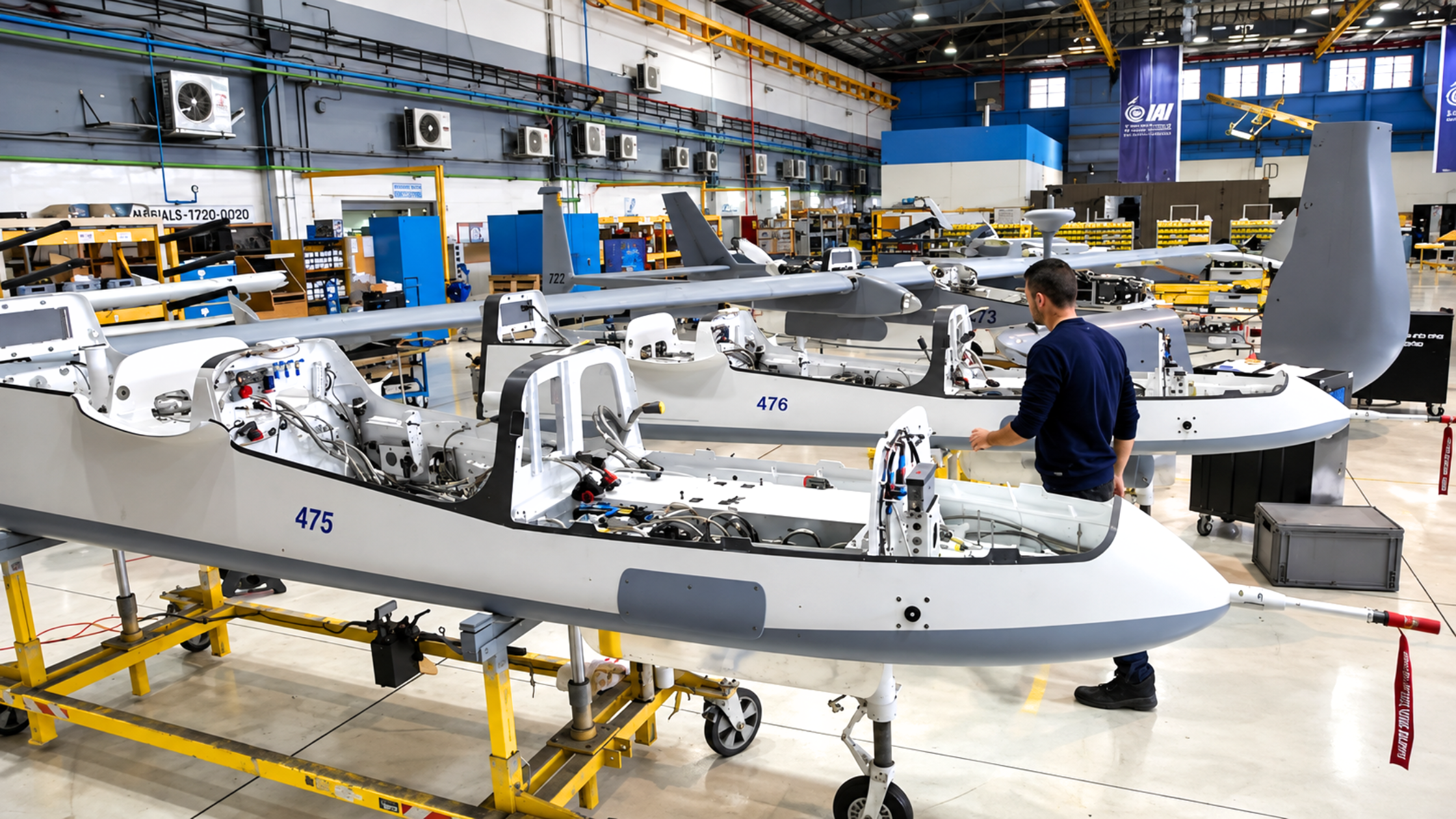
For Israel, the agreement represents a major success for its defense industry and one of the country’s largest military export contracts.
Israeli defense companies have increasingly promoted systems that have been used in real-world combat, while international demand has grown for integrated air-defense networks capable of countering missiles, aircraft and drones. The Greek contract further strengthens Israel’s position as a major supplier of advanced air-defense technology.
New Air-Defense Shield for Greece
The Achilles Shield program is expected to create a layered defensive network combining radars, command systems, missile interceptors and counter-drone capabilities.
Rather than relying on a single weapon system, Greece will receive an integrated architecture designed to address threats across different ranges and altitudes. The project marks a significant step in Athens’ effort to strengthen national airspace protection and modernize its military infrastructure.
Author: Kevin Macmellon