Iran Could Reverse-Engineer U.S. Dive-LD After Underwater Drone Capture
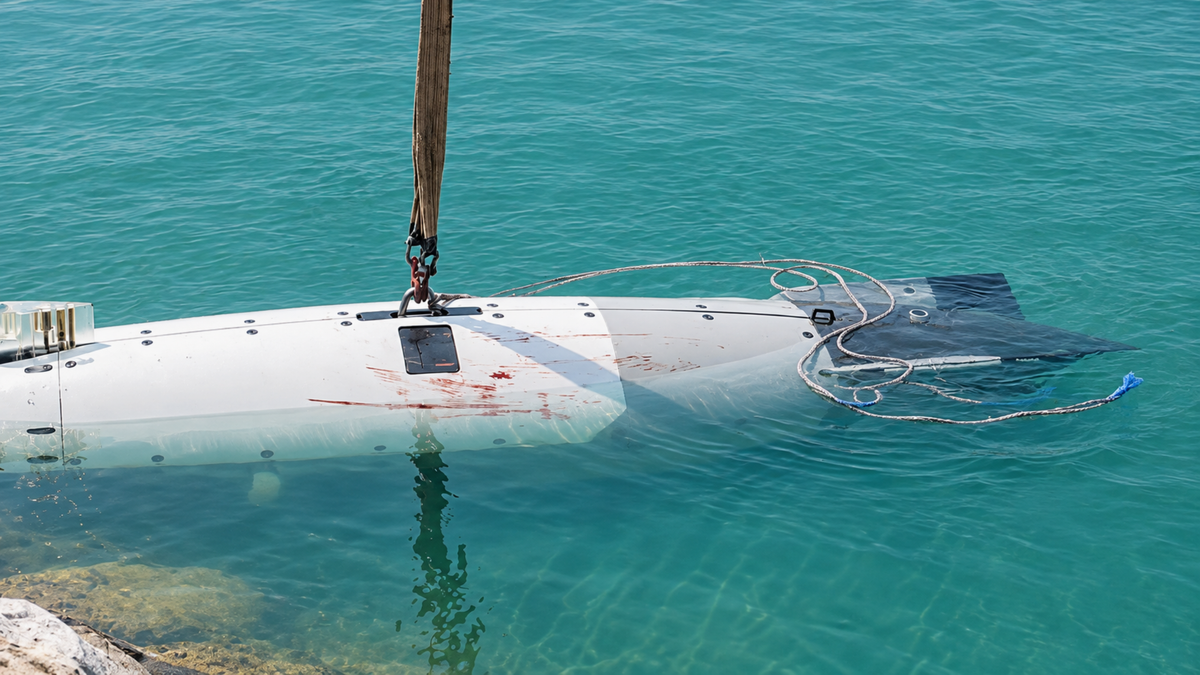
Iran’s capture of a U.S. autonomous underwater vehicle near the Strait of Hormuz could give Tehran an opportunity to study American unmanned-undersea technology, even though Washington says the vehicle was an older model that had malfunctioned and was not carrying classified systems.
The incident involves an Anduril Dive-LD, a large autonomous underwater vehicle (AUV) designed for long-duration missions including surveillance, seabed mapping, mine warfare and other undersea operations. Multiple reports have confirmed that the vehicle shown in Iranian imagery closely matches the Dive-LD design.
Iran Claims Capture of U.S. Underwater Drone
Iran’s Islamic Revolutionary Guard Corps said on September 8 that its naval forces had captured what it described as an advanced U.S. unmanned submarine near the entrance to the Strait of Hormuz. Iranian authorities released imagery of the vehicle after the alleged seizure.
What Makes Dive-LD Significant?
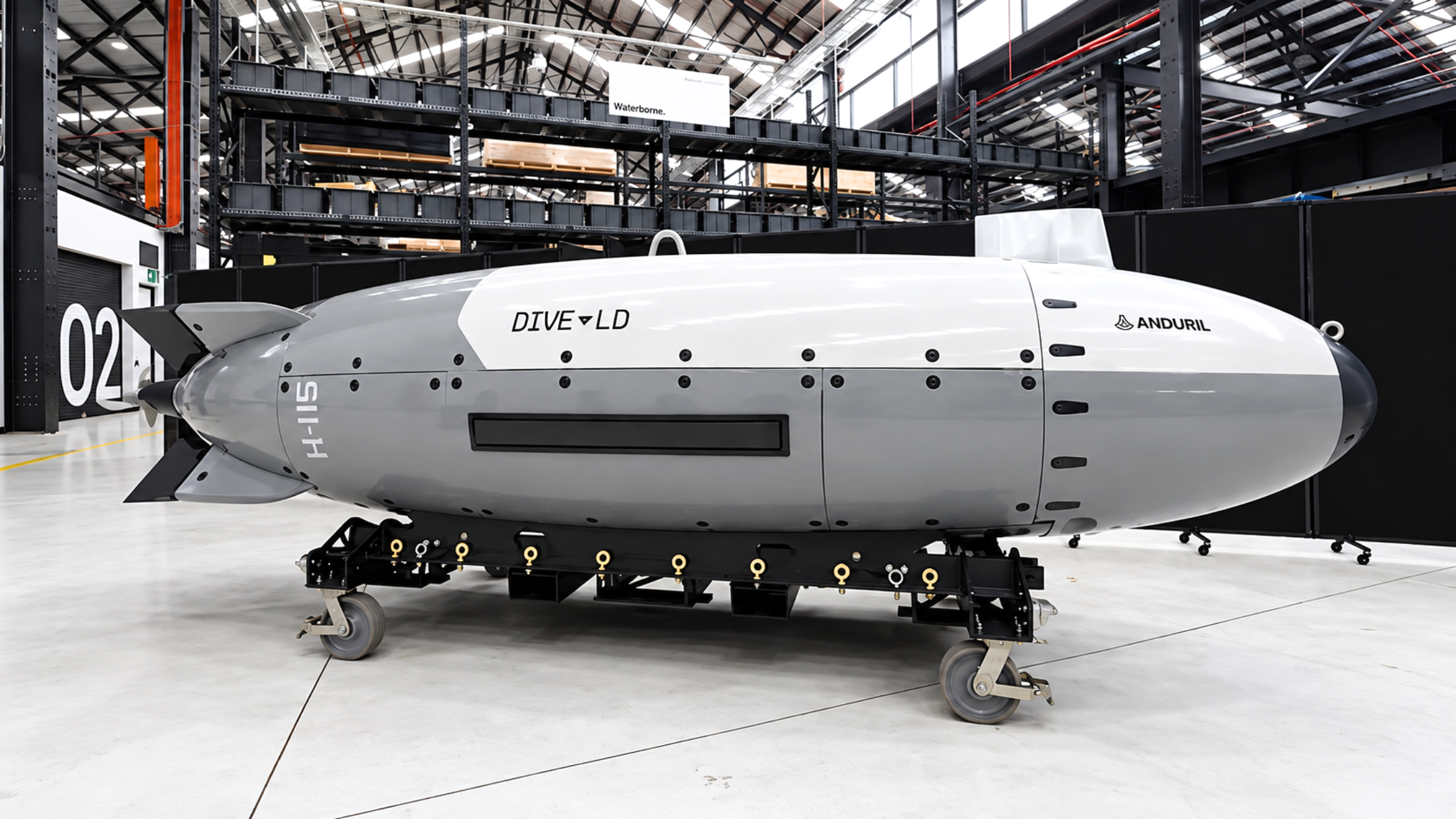
The Dive-LD is a large autonomous underwater vehicle developed by Anduril for missions that would otherwise require crewed platforms or conventional submarines.
The platform is approximately 5.8 meters long, has an advertised maximum operating depth of about 6,000 meters, and can remain on missions for up to 10 days. It has modular payload capacity and is intended for missions including intelligence, surveillance and reconnaissance, mine warfare, seabed mapping and other undersea operations.
Iran Could Study the Hardware
The most immediate concern is not that Iran will simply copy the entire Dive-LD. Instead, Iranian engineers could examine individual components and design solutions that might improve their own autonomous underwater vehicles.
Defense analysts cited by Reuters said Iran could potentially reverse-engineer the drone's mechanical systems, while software and protected elements would present a much greater challenge.
The Capture Is Also a Propaganda Victory
Even if the captured Dive-LD contains little classified technology, Tehran can still exploit the incident politically.
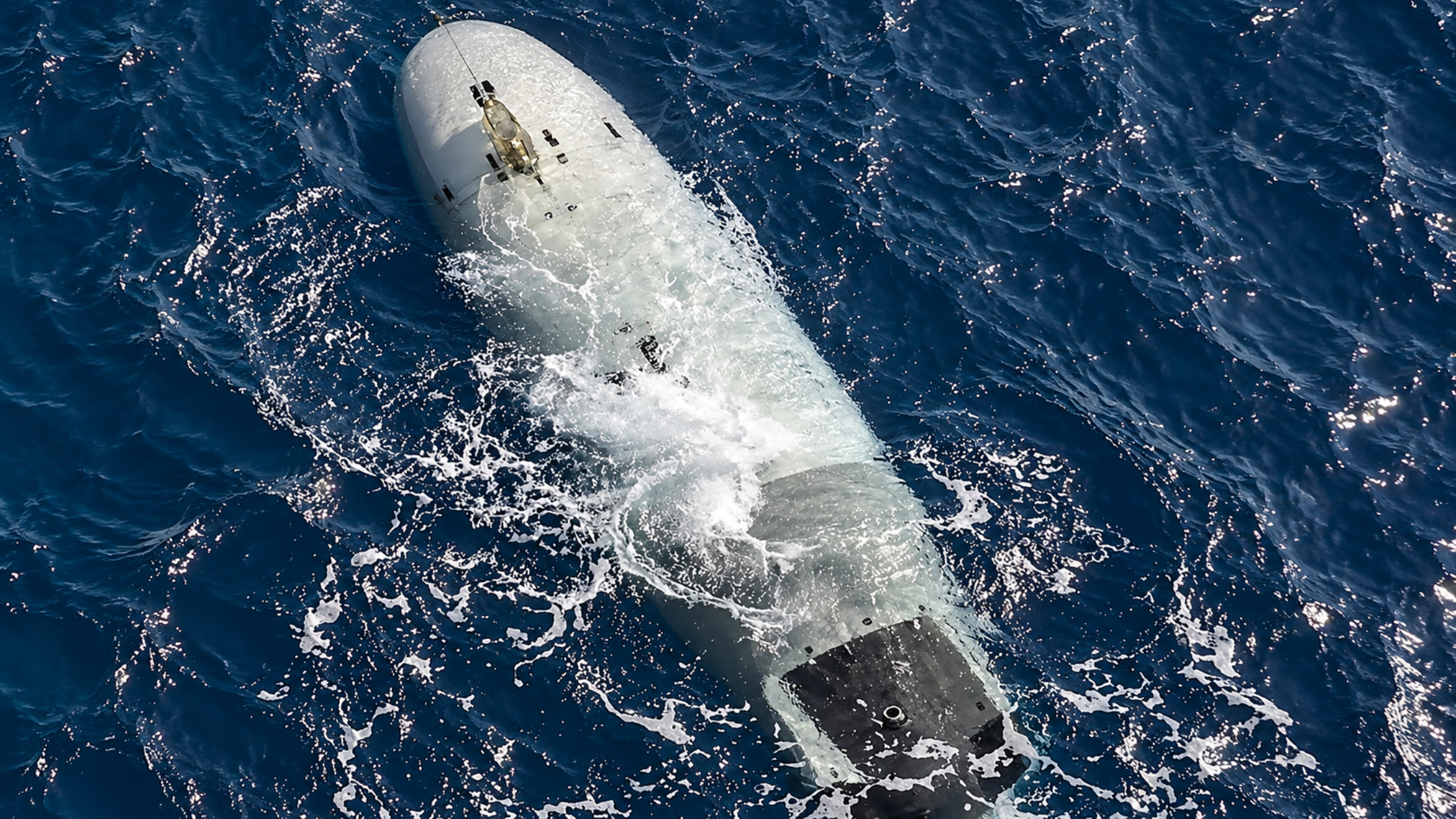
The location makes that message particularly significant. The Strait of Hormuz is a critical maritime chokepoint, and control of the surrounding waters has become increasingly important as the U.S.-Iran confrontation has intensified.
Iran Is Unlikely to Reproduce the Entire System
The most realistic outcome is therefore not an Iranian copy of the Dive-LD appearing immediately, but the gradual incorporation of selected technologies and design concepts into Iranian underwater systems.
The incident ultimately demonstrates a new vulnerability of autonomous warfare: the same unmanned systems that allow militaries to accept greater operational risk can also become valuable intelligence targets when they fail and fall into enemy hands.
Author: Kevin Macmellon