GE Aerospace Sets Aviation Milestone with World's First High-Altitude Hybrid-Electric Flight
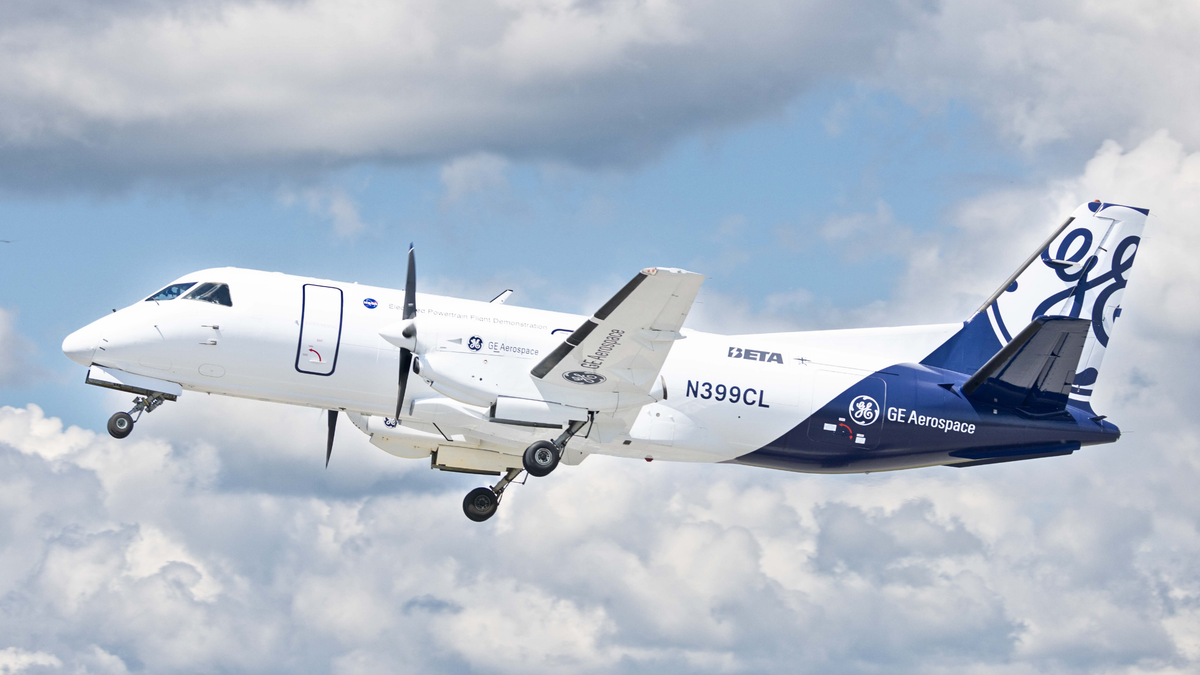
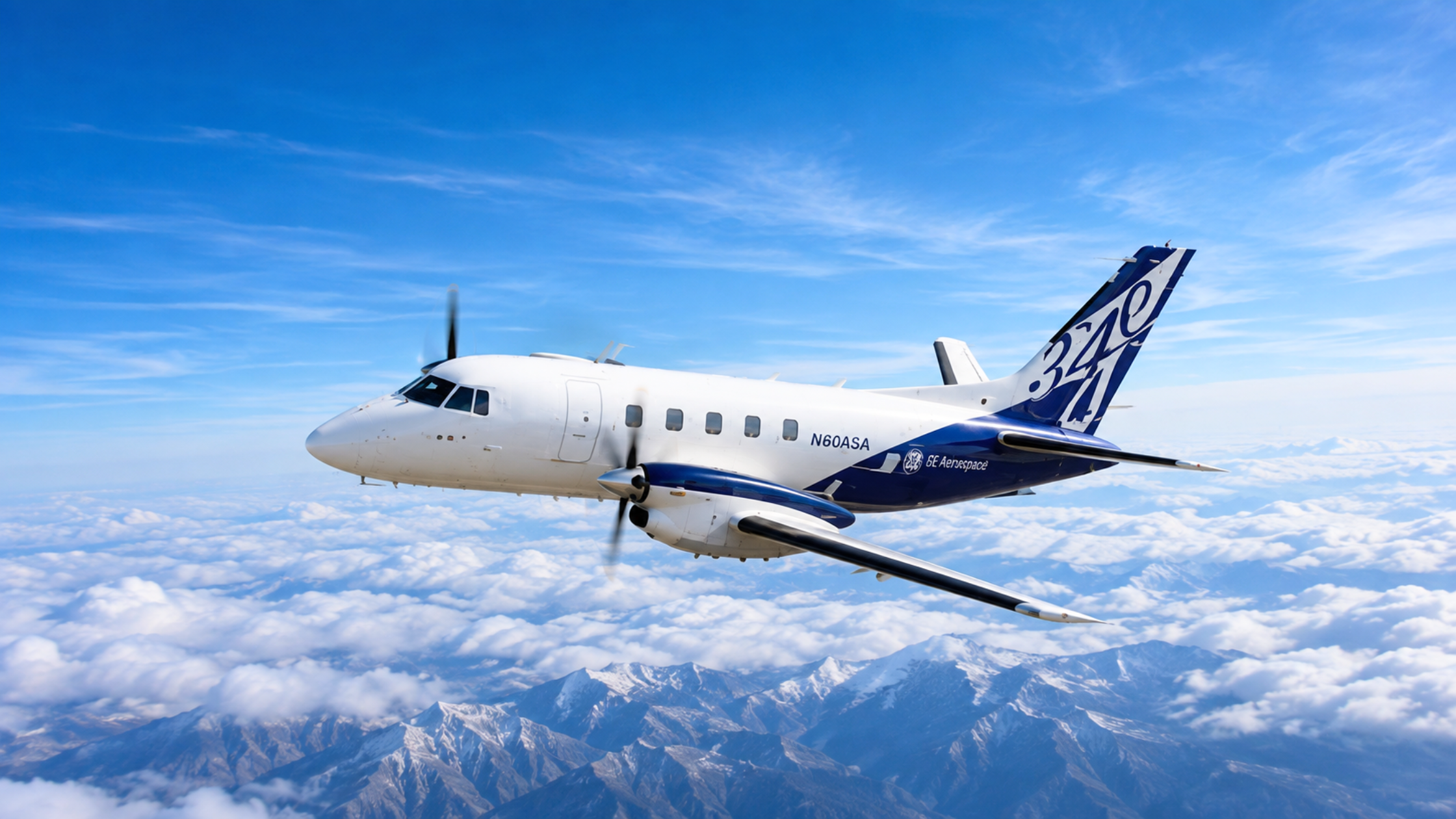
GE Aerospace has completed the world's first high-altitude hybrid-electric flight demonstration, marking a significant milestone in the development of next-generation aircraft propulsion technologies. The achievement demonstrates the company's progress toward more efficient and sustainable aviation systems by integrating conventional turbine power with advanced electric propulsion.
Breakthrough in Hybrid-Electric Aviation
The flight tested a hybrid-electric propulsion system designed to improve fuel efficiency while reducing emissions. By combining a gas turbine engine with electric power generation and distribution, the aircraft demonstrated stable performance at high altitude, validating technologies that could support future commercial, military, and advanced air mobility platforms.
The successful demonstration provides valuable data on power generation, thermal management, electrical distribution, and propulsion integration under real flight conditions. Engineers believe these technologies could play an important role in reducing fuel consumption and supporting the aviation industry's long-term sustainability goals.
Advancing Future Aircraft Technologies
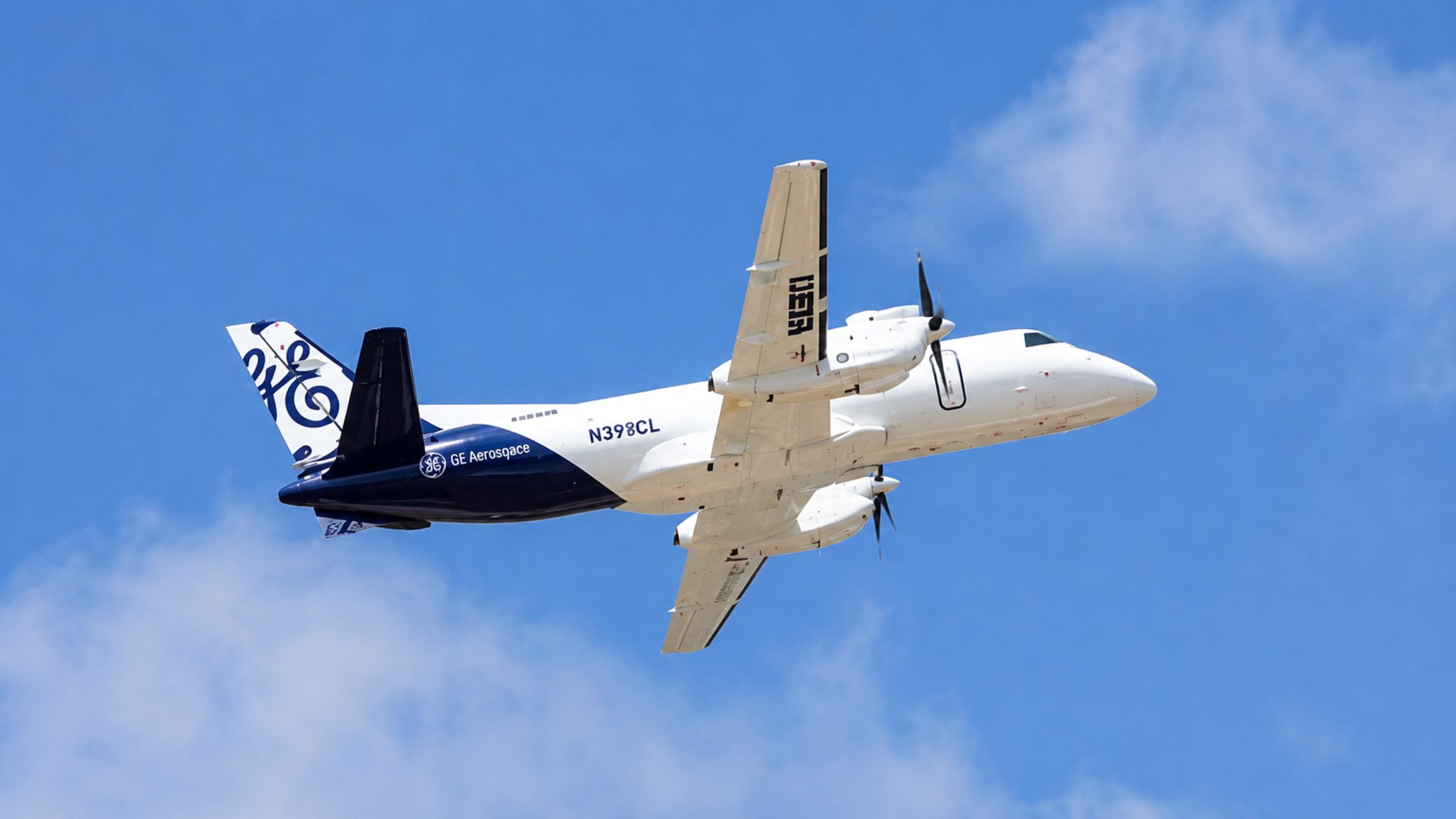
Hybrid-electric propulsion is considered one of the most promising pathways for next-generation aviation. Unlike fully electric aircraft, hybrid systems combine the reliability and range of conventional engines with the efficiency benefits of electric power, making them suitable for larger aircraft and longer missions.
GE Aerospace said the demonstration represents another step toward developing scalable propulsion technologies that can be adapted across multiple aircraft categories, including regional airliners, military aircraft, and future autonomous aviation platforms.
Supporting Sustainable Aviation
The high-altitude flight forms part of GE Aerospace's broader effort to develop cleaner and more efficient propulsion technologies. The company continues investing in advanced engines, electrification, sustainable aviation fuels (SAF), and hybrid-electric systems to help reduce the environmental impact of air transportation.
As governments and aerospace manufacturers push toward lower-carbon aviation, hybrid-electric propulsion is expected to become a key technology for improving efficiency while maintaining the performance required for commercial and defense applications.
Looking Ahead
The successful high-altitude demonstration reinforces GE Aerospace's position as a leader in next-generation aircraft propulsion. As hybrid-electric technologies continue to mature, they could reshape the future of aviation by enabling aircraft that consume less fuel, produce lower emissions, and operate more efficiently without compromising performance.
Author: Kevin Macmellon