Firestorm Labs Raises $82 Million Series B to Scale On-Demand Defense Manufacturing at the Tactical Edge
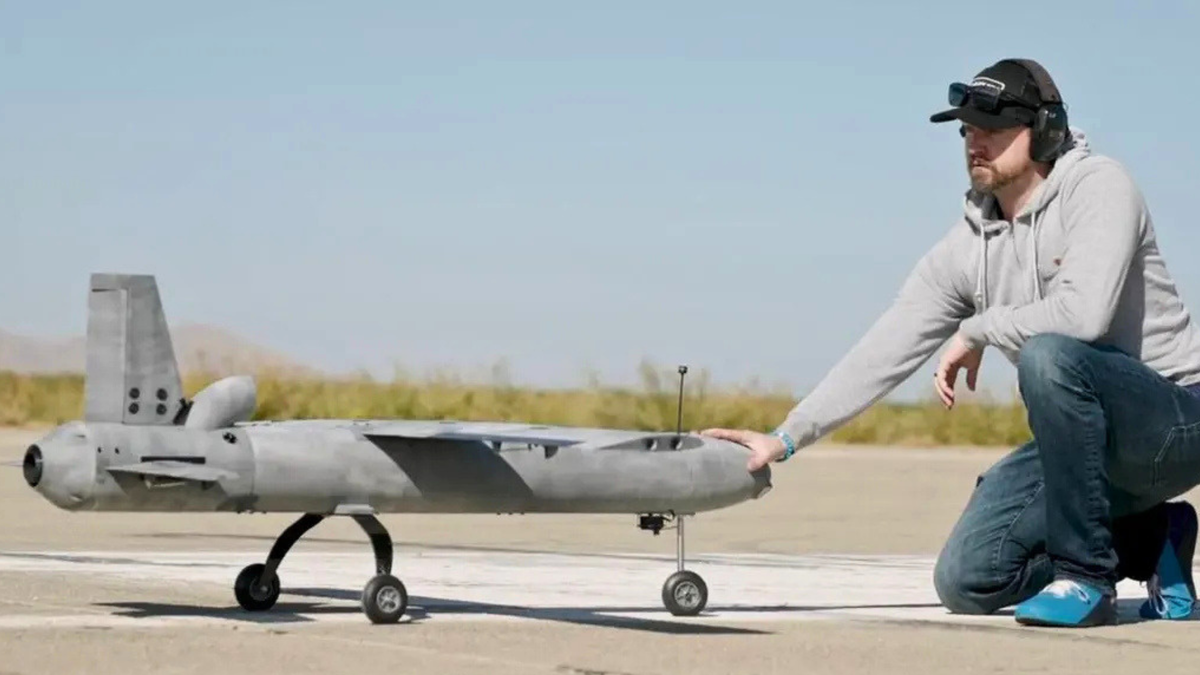
Firestorm Labs has secured $82 million in Series B funding to accelerate the deployment of its expeditionary manufacturing technology, enabling military forces to produce mission-critical systems directly at the tactical edge.
The funding round was led by Washington Harbour Partners and included participation from NEA, Ondas, In-Q-Tel, Lockheed Martin Ventures, Booz Allen Ventures, Geodesic, Motley Fool Ventures, and several existing investors. The latest investment brings the San Diego-based defense technology company's total funding to $153 million.
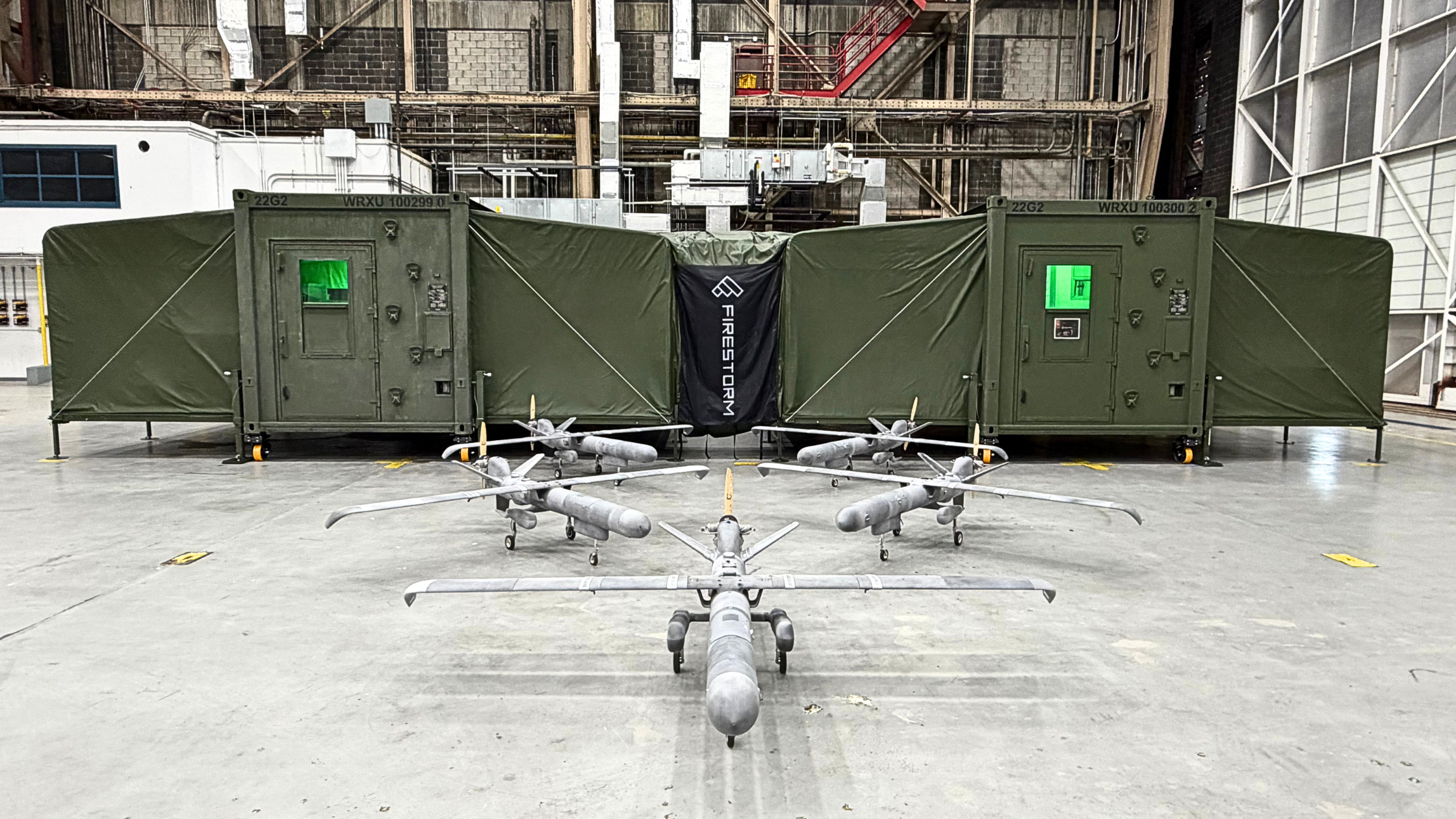
The company plans to use the new capital to expand production of its xCell platform—a containerized manufacturing system capable of producing unmanned aircraft, spare parts, and mission equipment close to frontline operations.
By shifting production from centralized factories to forward-deployed locations, Firestorm aims to reduce logistical vulnerabilities and improve operational resilience in contested environments, particularly across the Indo-Pacific.
xCell Brings Manufacturing to the Battlefield
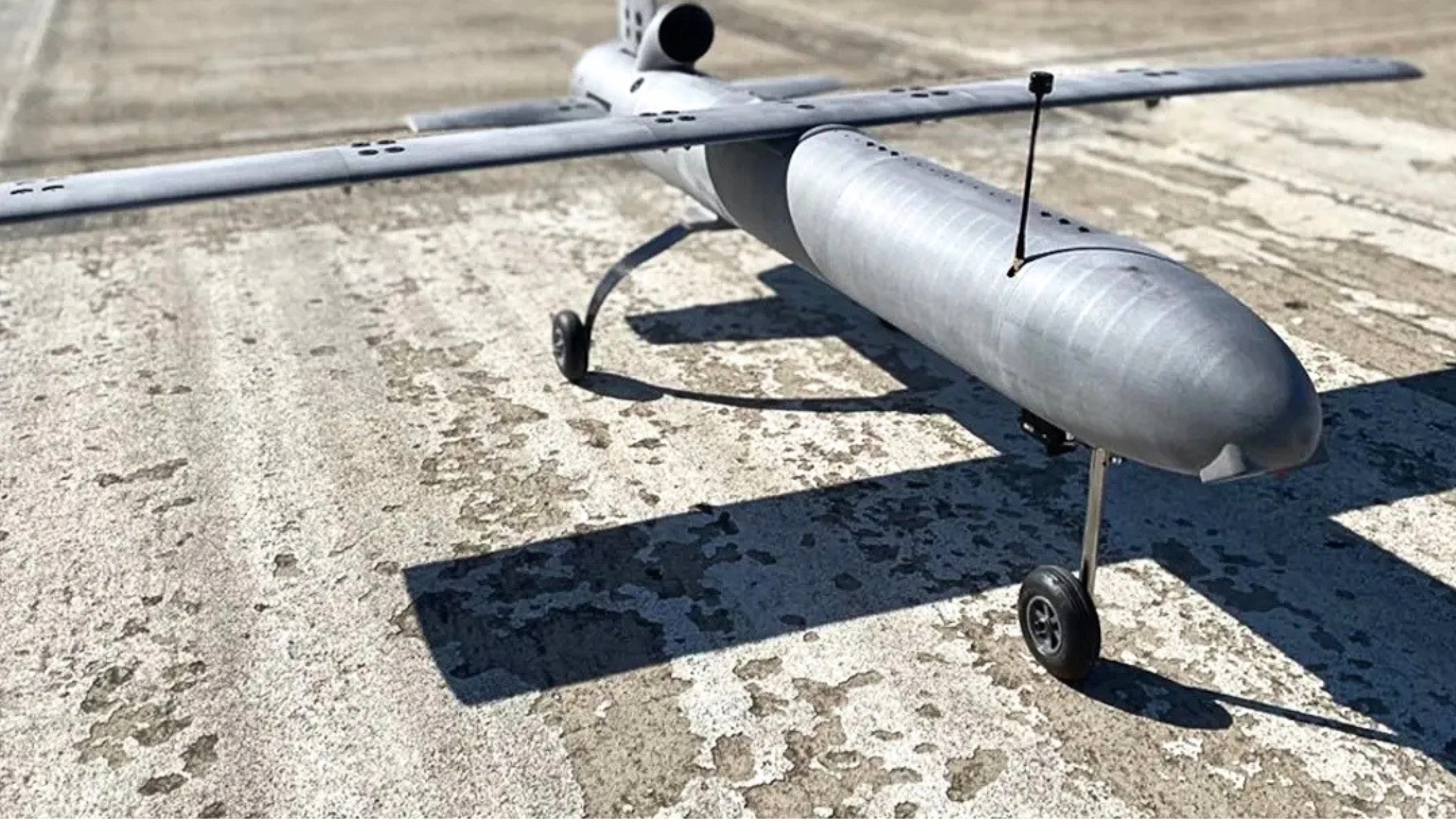
Firestorm's xCell platform is designed as a deployable "factory-in-a-box" that uses industrial-grade additive manufacturing to produce mission-ready systems where they are needed most. Developed in partnership with HP, the platform enables rapid production cycles while reducing dependence on traditional supply chains that could be disrupted during conflict.
The company says xCell supports an open manufacturing ecosystem, allowing defense partners to redesign their own systems for additive manufacturing while enabling military operators to assemble and sustain equipment in the field. The approach is intended to improve responsiveness while lowering production costs and accelerating deployment timelines.
Transitioning from Demonstrations to Scaled Production
Following successful demonstrations with the U.S. Air Force and U.S. Army, Firestorm is transitioning from prototype programs to larger-scale production and operational fielding. Company officials say expansion efforts will initially focus on Indo-Pacific operations, where contested logistics and long supply lines present significant operational challenges.
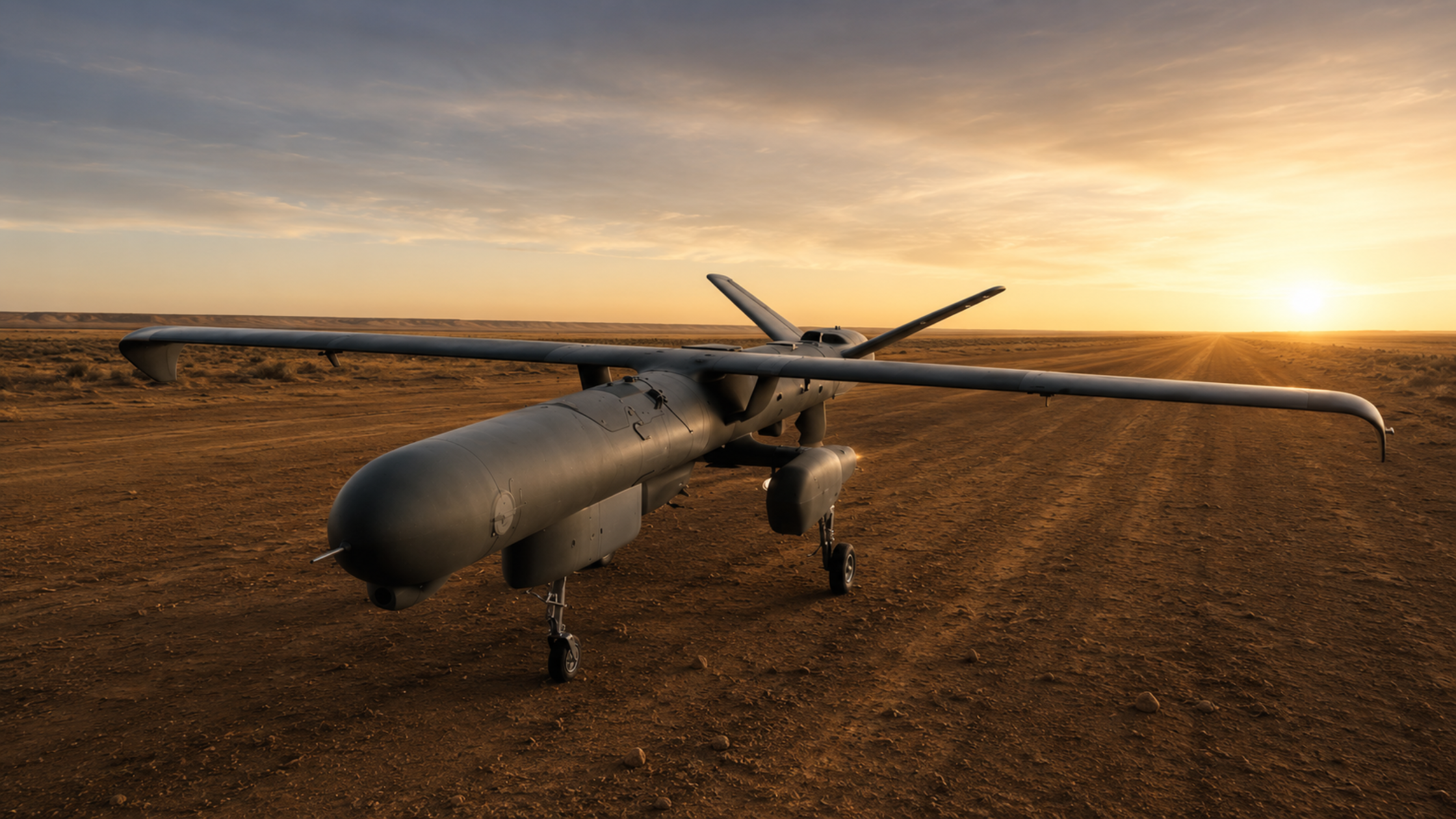
CEO Dan Magy said the investment will help the company move manufacturing capacity closer to deployed forces, allowing critical systems to be produced at the point of need rather than relying solely on traditional industrial facilities.
Growing Interest from Defense Investors
The Series B attracted backing from several major defense-focused investors, including Lockheed Martin Ventures and Booz Allen Ventures, highlighting growing interest in distributed manufacturing technologies that support operational readiness. Lockheed Martin said Firestorm's capabilities align with efforts to deliver mission-critical systems more rapidly to military customers.
Firestorm has also rapidly expanded its workforce, growing from around 40 employees to more than 160 over the past year. The company expects the new funding to support further hiring as it scales production to meet increasing defense demand.
Strengthening the Defense Industrial Base
As militaries place greater emphasis on resilient logistics and distributed manufacturing, Firestorm's expeditionary production model seeks to reduce dependence on centralized supply chains while enabling rapid delivery of unmanned systems and replacement components during operations.
The company believes this approach will play an increasingly important role in future military logistics, particularly in contested theaters where conventional resupply may be difficult.
Author: Kevin Macmellon