Congressional Budget Office Estimates Trump-Class Battleship Program Could Cost Up to $275 Billion
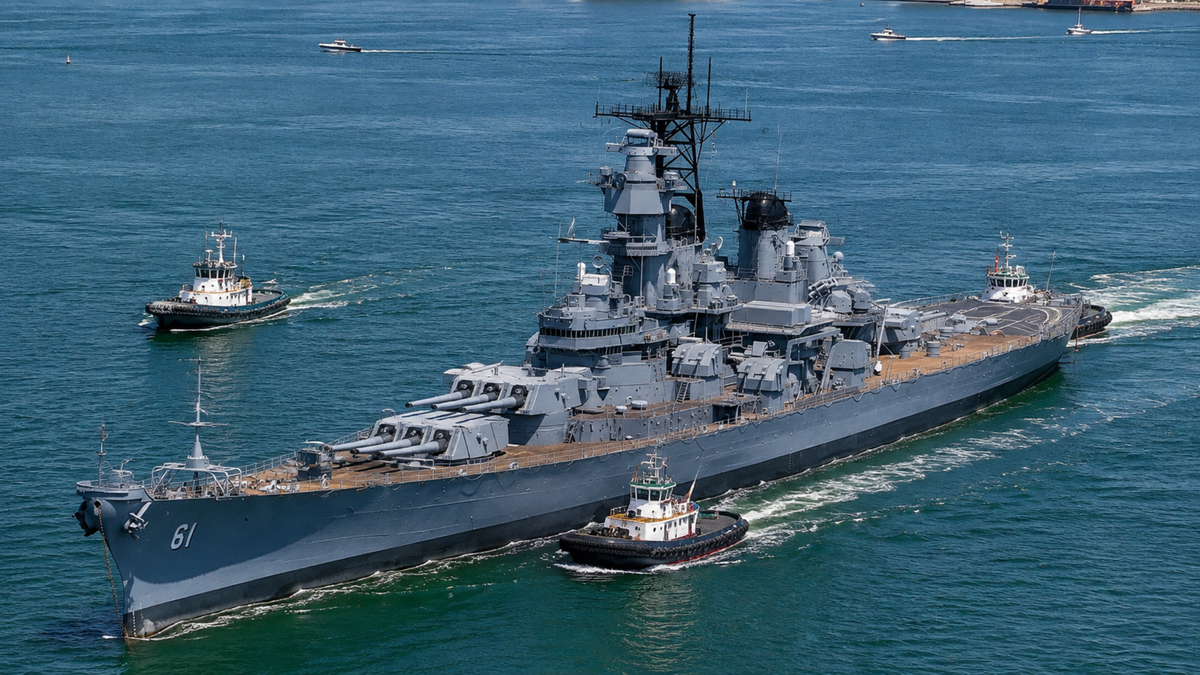
A new analysis by the Congressional Budget Office (CBO) estimates that the proposed Trump-class battleship program could cost approximately $275 billion to build a fleet of 15 nuclear-powered guided-missile battleships over the coming decades.
The estimate is substantially higher than earlier Navy projections and highlights the financial, industrial, and logistical challenges associated with one of the most ambitious surface combatant programs proposed in recent U.S. naval history.
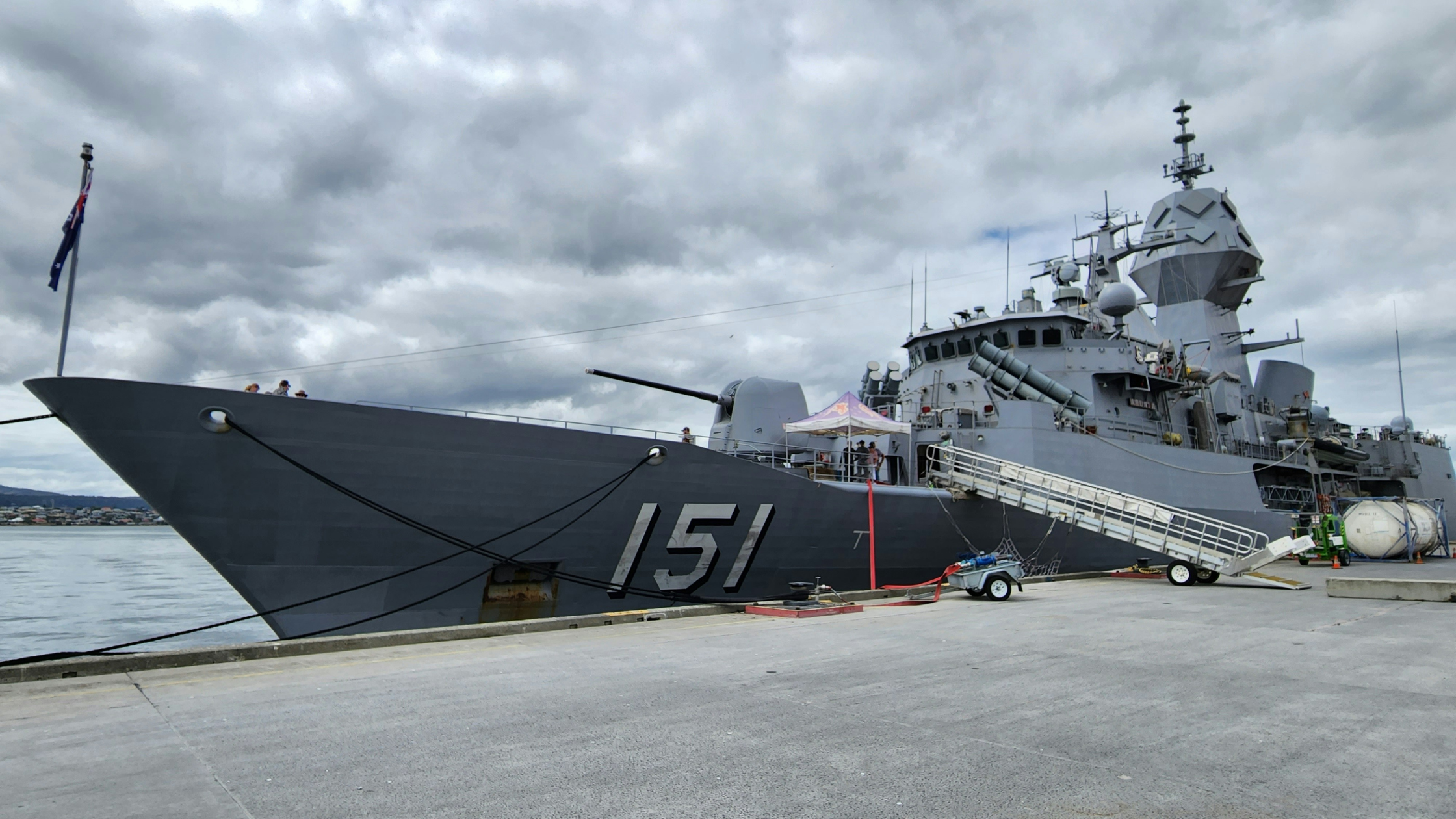
First Ship Could Cost More Than $23 Billion
According to the CBO assessment, the lead ship—planned to be named USS Defiant—could cost around $23.4 billion and require roughly eight years to complete. The remaining 14 ships are estimated to cost slightly more than $18 billion each, bringing the total program cost to approximately $275 billion if the full fleet is constructed.
A Nuclear-Powered Surface Combatant
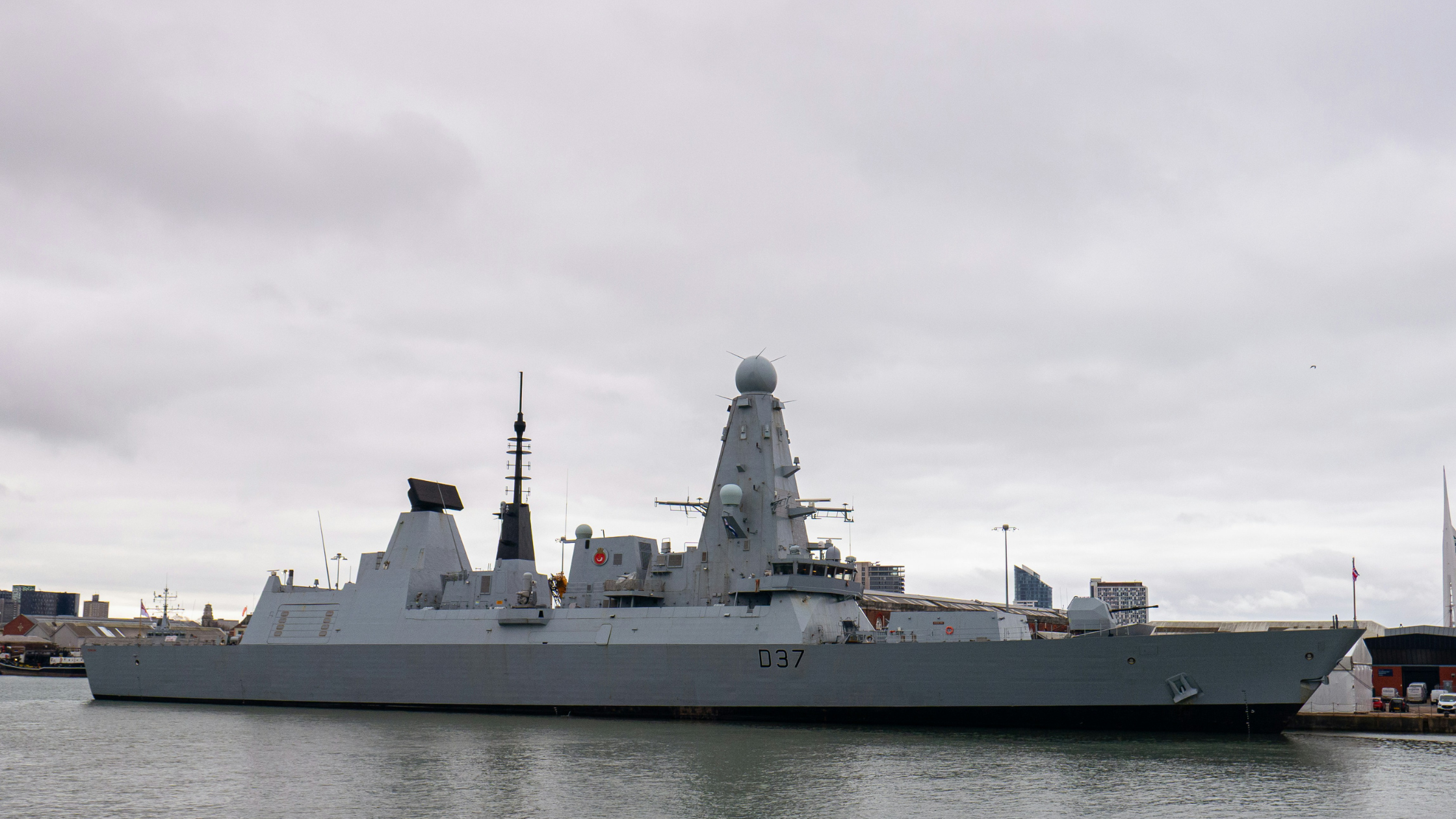
The proposed Trump-class is envisioned as a nuclear-powered guided-missile battleship designed to replace the Navy's previously planned DDG(X) next-generation destroyer.
The concept includes a large hull capable of carrying significantly more missiles than current destroyers, advanced radar systems, future directed-energy weapons, and conventional prompt strike missiles. The ships are intended to provide long-range precision strike, integrated air and missile defense, and enhanced maritime deterrence against peer competitors.
Shipbuilding Capacity Raises Questions
Beyond cost, the CBO report highlights concerns about the U.S. shipbuilding industrial base. Building a fleet of nuclear-powered battleships would require substantial manufacturing capacity and compete for skilled labor.
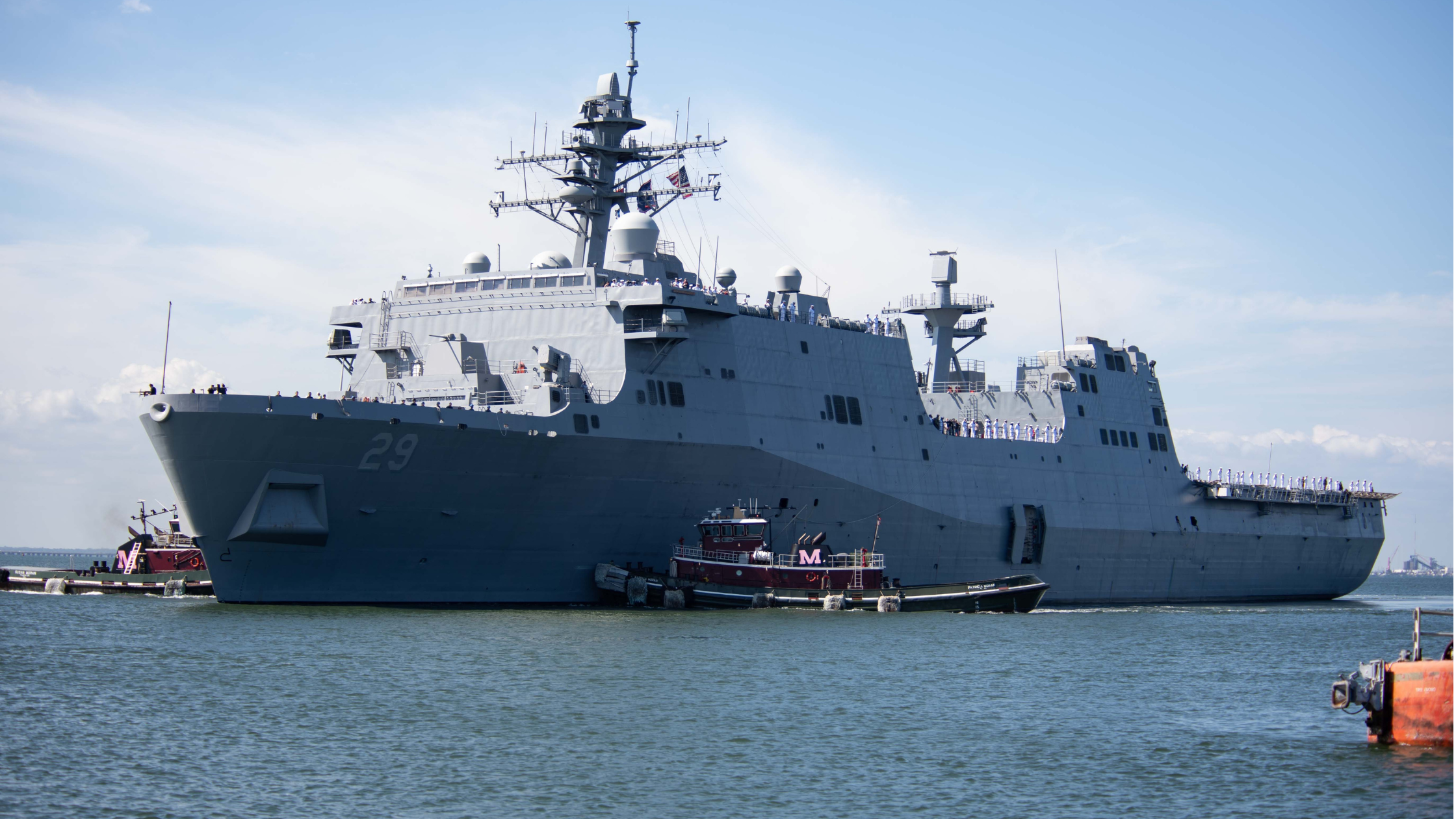
Nuclear-reactor production is already supporting Virginia-class submarines, Columbia-class ballistic missile submarines, and Ford-class aircraft carriers. Analysts warn that expanding battleship construction could place additional pressure on shipyards and suppliers already operating near capacity.
Debate Over Cost and Strategic Value
Supporters argue that the Trump-class could provide unmatched firepower, greater missile capacity, and long-term growth potential for future weapons systems.
Critics, however, question whether investing hundreds of billions of dollars in a new class of large surface combatants is the most effective use of defense resources, especially as the Navy also seeks to modernize its submarine fleet, expand unmanned maritime systems, and strengthen missile defense capabilities.
The CBO's estimate is expected to play a central role in congressional debates over the program's affordability and strategic value.
Author: Kevin Macmellon