CoAspire Wins $70 Million U.S. Navy Contract for Affordable Coalition Cruise Missile Program
U.S. Navy Selects CoAspire for CHAOS Missile Program
The U.S. Navy has awarded CoAspire a $70 million Prototype Other Transaction Agreement (OTA) to develop an affordable, ground-launched cruise missile for its new Coalition Heterogeneous Affordable Offensive Strike (CHAOS) program. The contract covers the design, development, testing, and delivery of a prototype missile system intended to provide allied and coalition partners with an effective maritime and land-attack capability at a significantly lower cost than traditional long-range strike weapons.
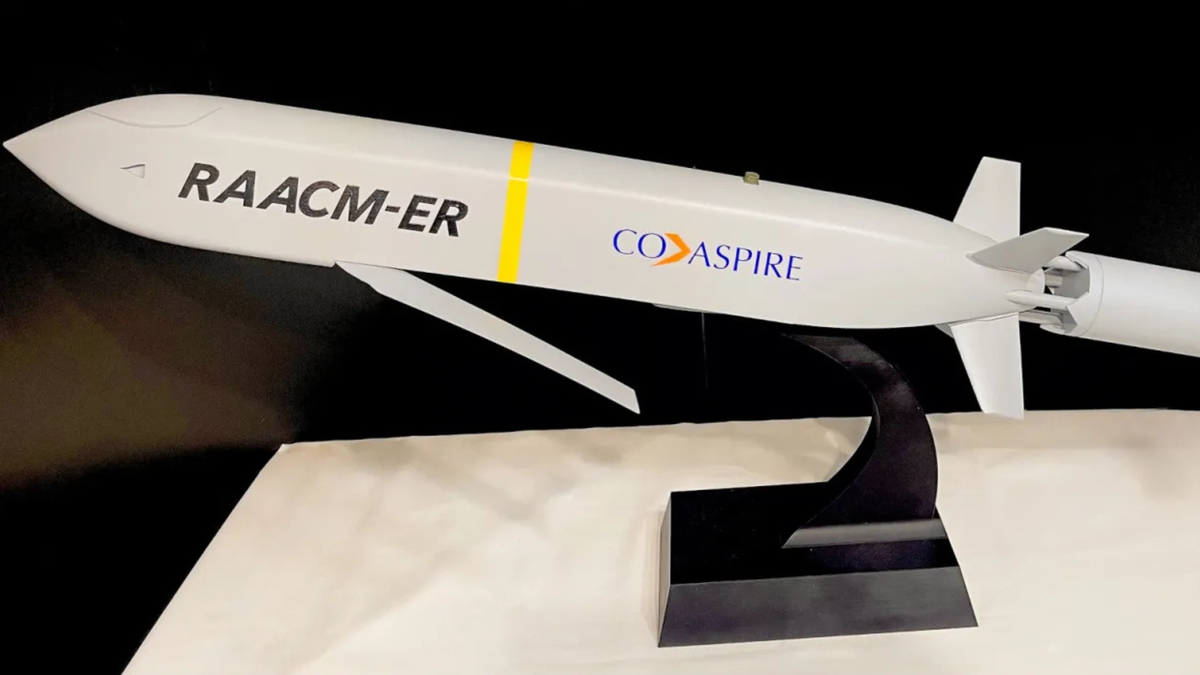
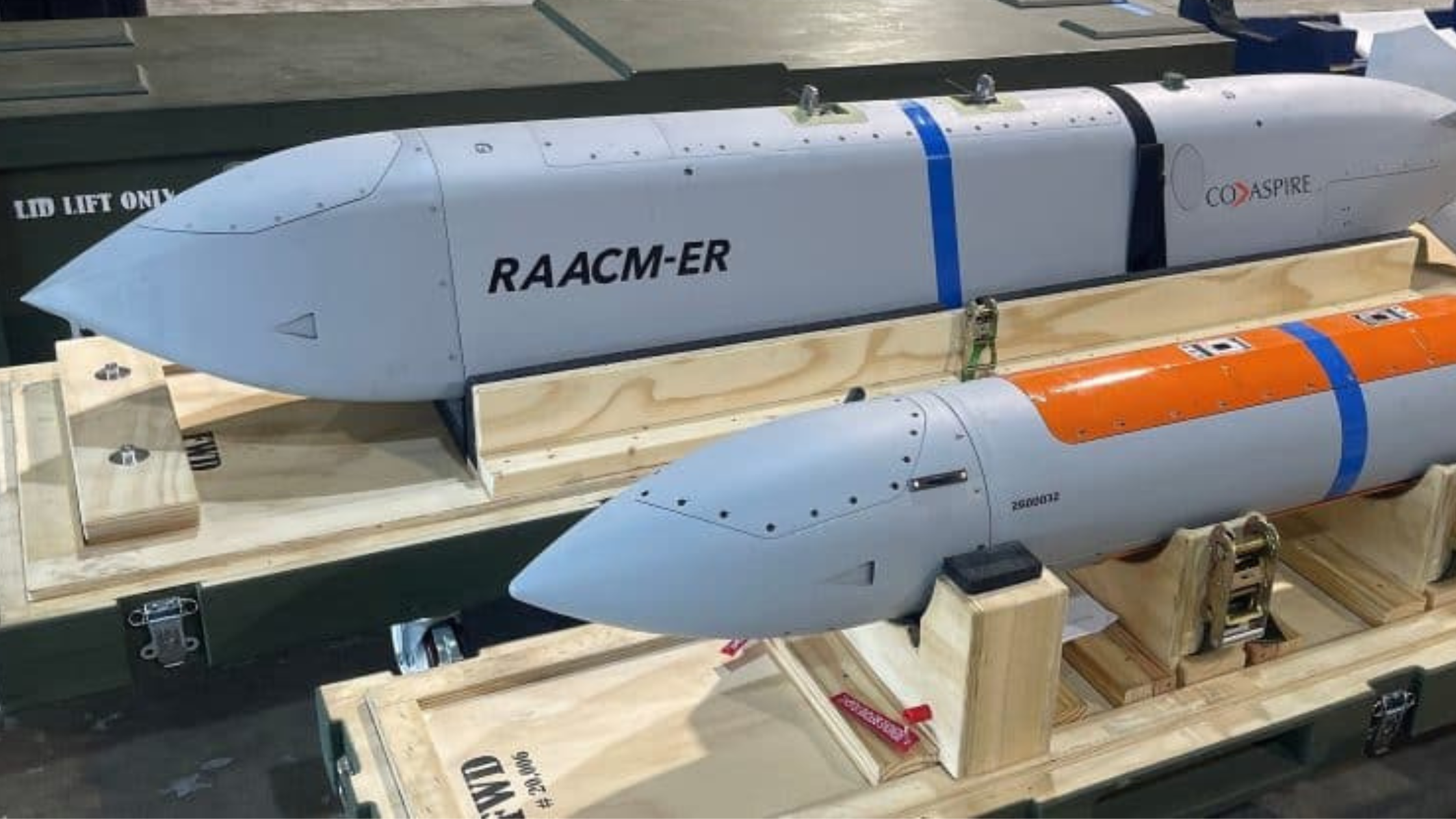
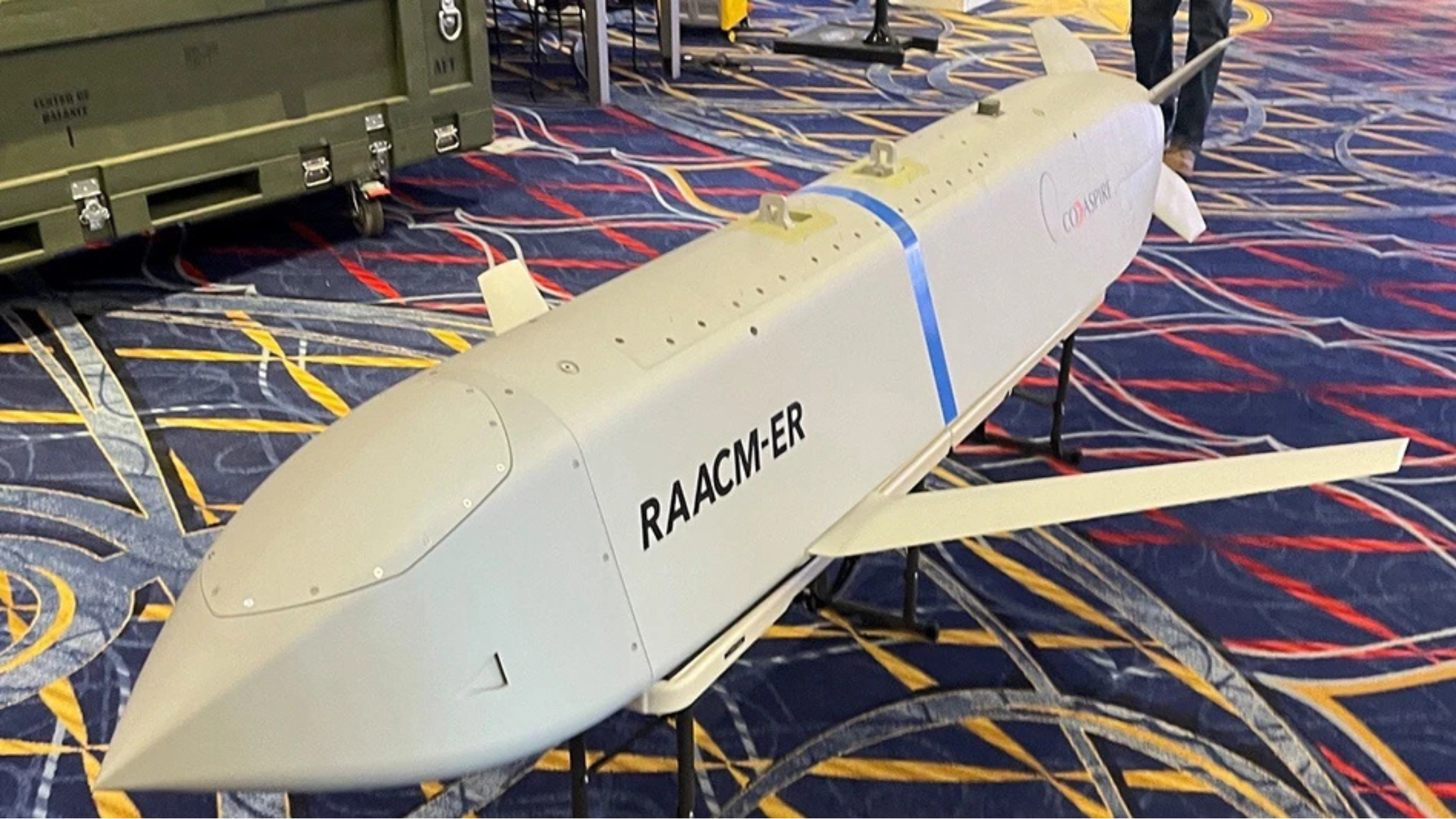
At the heart of the program is CoAspire's Rapidly Adaptable Affordable Cruise Missile–Extended Range (RAACM-ER), a modular cruise missile that will be paired with a ground-launch booster and launcher system. The missile is being developed for the U.S. Navy's Program Executive Office for Unmanned Aviation and Strike Weapons (PMX-201) under the Naval Aviation Systems Consortium, with a focus on rapid production and affordability.
Designed for Maritime and Land Strike Missions
Unlike many existing cruise missiles that are optimized for a single mission, the RAACM-ER Ground-Launched variant is designed to strike both moving maritime targets and fixed land-based targets. This flexibility allows coalition forces to employ the weapon in a wide range of operational scenarios, from coastal defense to long-range precision strike missions.
According to CoAspire, the missile is based on its RAACM-ER family and shares technology with the GHOST configuration currently being developed for the U.S. Army's Low-Cost Containerized Munition (LCCM) program. By leveraging common components across multiple variants, the company aims to reduce production costs while accelerating manufacturing.
Affordable Mass Production a Key Objective
A central objective of the CHAOS program is to provide allied nations with an affordable precision-strike capability that can be manufactured at scale. Rather than relying solely on expensive long-range cruise missiles, the Navy is seeking systems that can be produced in larger quantities without sacrificing operational effectiveness.
CoAspire says its missile family incorporates additive manufacturing (3D-printed structural components), allowing faster production, reduced tooling requirements, and easier development of future variants. The company believes this manufacturing approach can significantly shorten production timelines while lowering unit costs compared with conventional missile manufacturing methods.
Author: Kevin Macmellon