CENTCOM Forms First Multinational Attack-Drone Task Force Amid Iran War

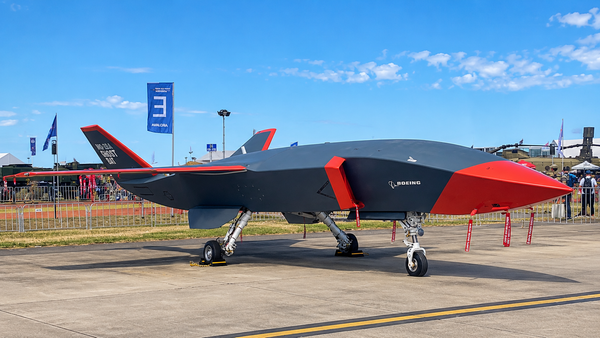
U.S. Central Command is establishing Task Force Falcon Strike, described by CENTCOM as its first-ever multinational, multi-domain attack-drone task force. The initiative is intended to bring U.S. forces and regional partners together to operate one-way attack drones across the air, surface and undersea domains.
Building on Scorpion Strike
Falcon Strike builds on the experience of Task Force Scorpion Strike, which CENTCOM established in December 2025 as its first dedicated one-way attack-drone squadron in the Middle East. Scorpion Strike operates low-cost unmanned combat attack systems and has since been used operationally during the conflict with Iran.
The U.S. military has increasingly turned toward lower-cost unmanned systems as a way to expand its strike capacity while reducing dependence on expensive conventional munitions. Scorpion Strike's LUCAS drones, for example, were designed as relatively simple one-way attack systems and have been used in combat during Operation Epic Fury.
Regional Partners to Join
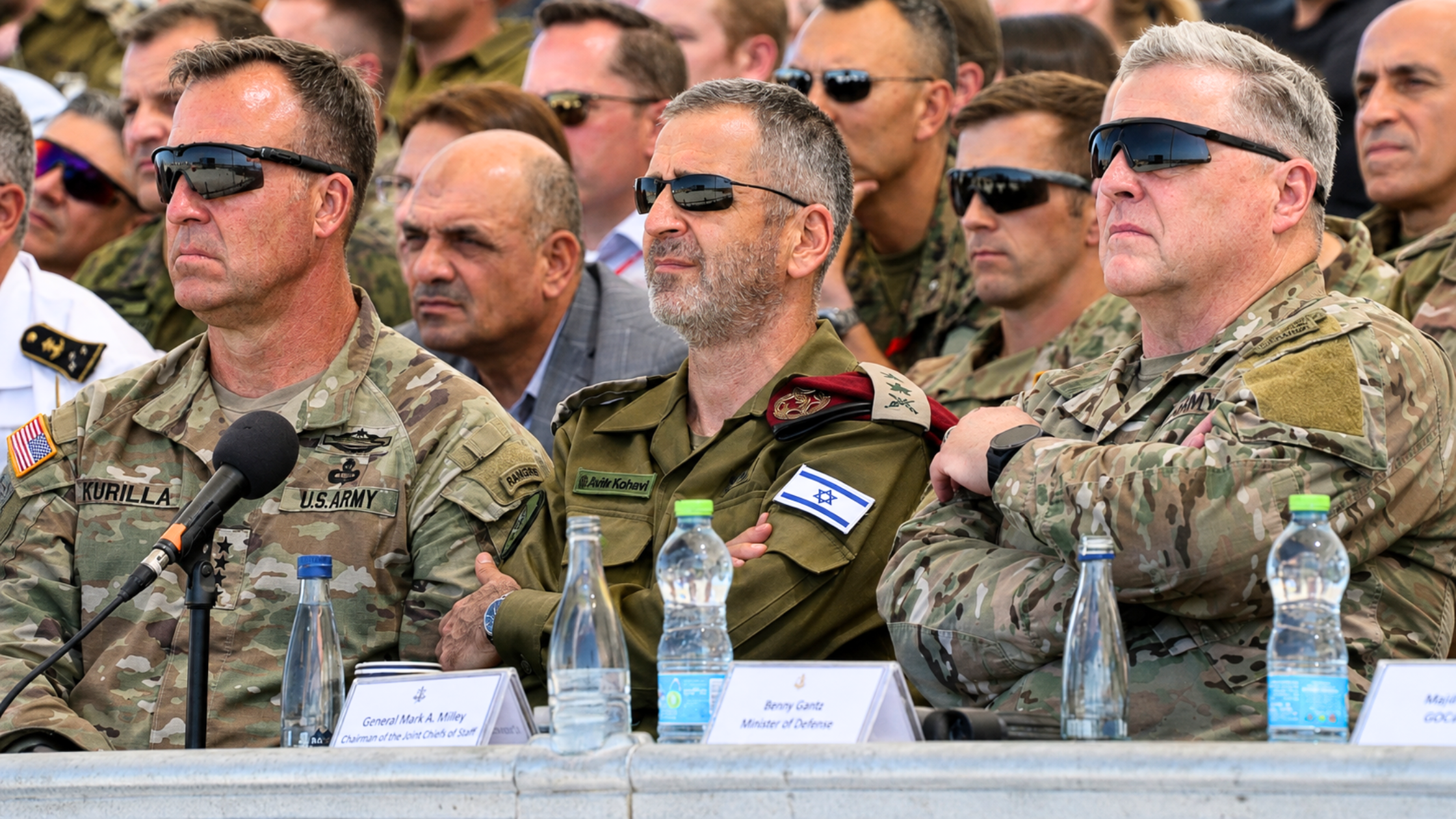
CENTCOM says it is consulting with and formally inviting regional partners to participate in Falcon Strike. The task force will be led by personnel from U.S. Special Operations Command Central (SOCCENT), which also played a leading role in Scorpion Strike.
CENTCOM Commander Adm. Brad Cooper said Falcon Strike will expand on Scorpion Strike's progress by integrating innovations developed by regional allies and partners. As additional countries formally join, the task force is intended to create a unified multinational drone capability across the Middle East.
A Shift Toward Multi-Domain Drone Warfare
The significance of Falcon Strike goes beyond simply adding another drone unit. Its planned combination of airborne, surface, and underwater unmanned systems reflects how rapidly military forces are expanding the role of autonomous and remotely operated platforms.
The development also comes after several notable unmanned operations in the region. In June, a U.S. Navy Corsair unmanned surface vessel helped rescue two soldiers after their AH-64 Apache crashed near Oman—the first reported U.S. military use of an unmanned vessel for such a rescue.
With Falcon Strike, CENTCOM is effectively moving from a U.S.-only experimental drone capability toward a multinational unmanned strike architecture, potentially allowing partner nations to contribute platforms and personnel while operating under a coordinated command structure.
Author: Kevin Macmellon