CENTCOM and UAE Launch Joint Task Force to Develop Military AI Capabilities
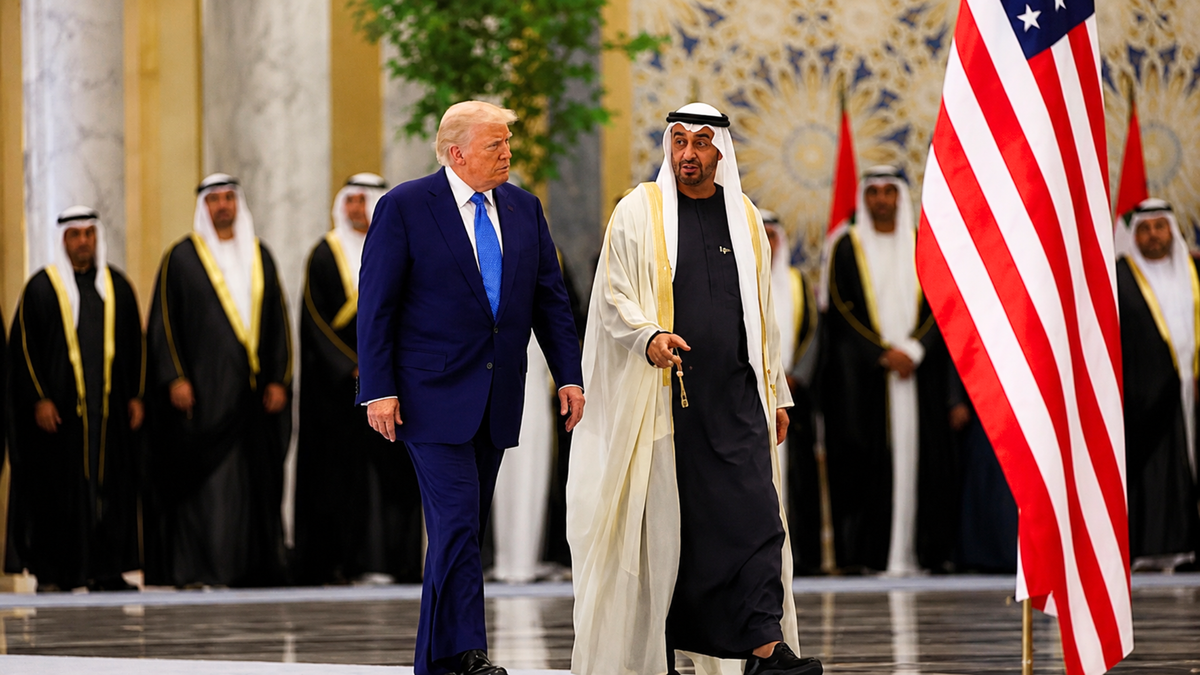
U.S. Central Command has announced an agreement with the United Arab Emirates to establish a bilateral task force focused on accelerating military artificial intelligence applications. The initiative, named Task Force Talon Synapse, is expected to formally launch in the coming weeks.
The task force will be based in Abu Dhabi and will bring together approximately 20 American and Emirati personnel specializing in artificial intelligence, data, and cybersecurity. CENTCOM described it as the first bilateral task force of its kind between the two countries.
Task Force Talon Synapse to Focus on Military AI
The new team will work on integrating AI into intelligence support, critical infrastructure protection, and monitoring of the regional security environment. The objective is to move AI capabilities from development toward practical military applications.
CENTCOM Commander Adm. Brad Cooper said the partnership is intended to help deliver emerging AI capabilities to warfighters more rapidly. The initiative reflects Washington's growing emphasis on using AI to process information and support military decision-making.
Abu Dhabi to Host US and Emirati Specialists
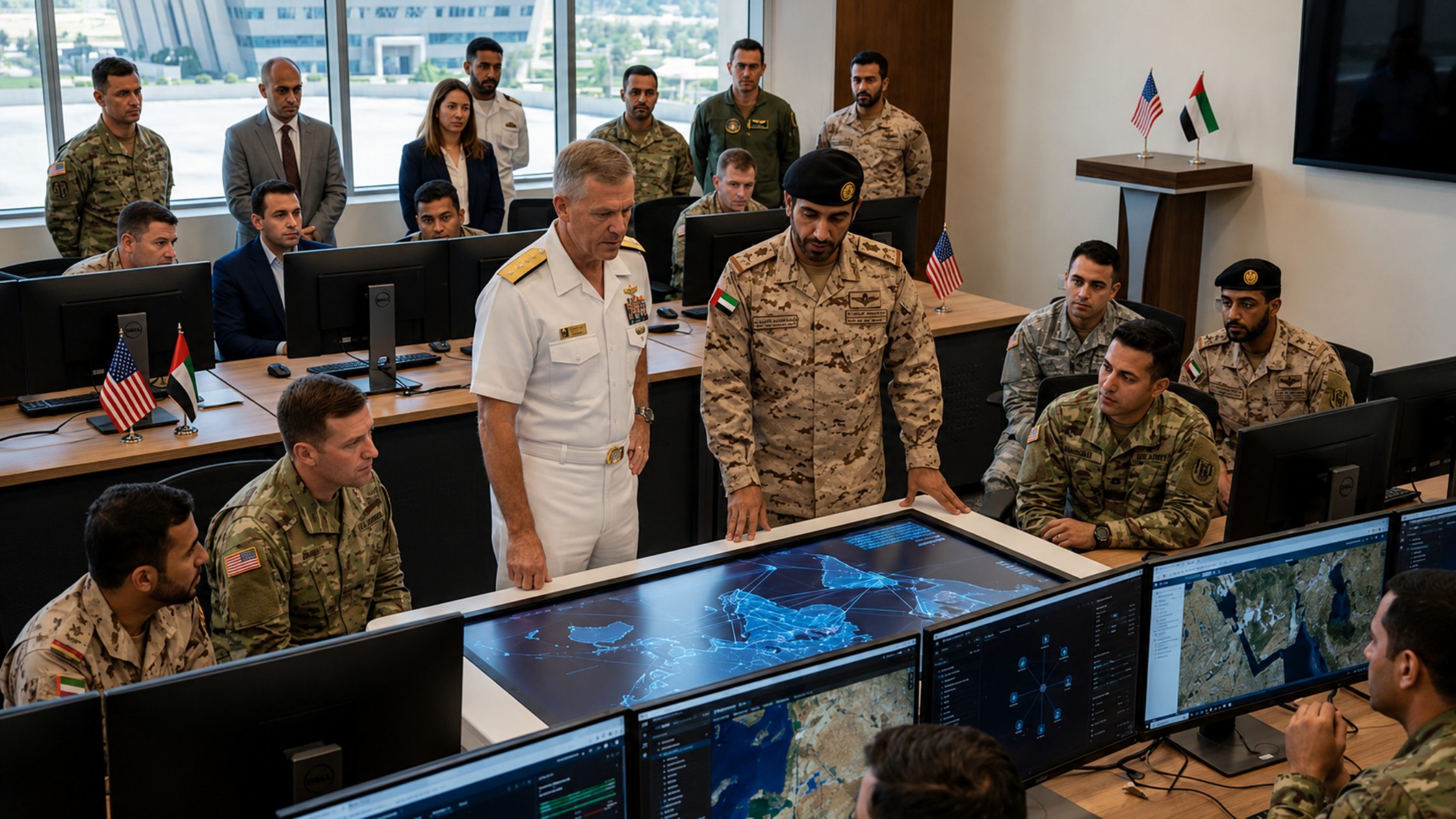
Task Force Talon Synapse will operate from Abu Dhabi, bringing U.S. and UAE specialists together in a single working group. Its personnel will have expertise across AI, data, and cybersecurity, areas increasingly important to modern military operations.
The UAE has invested heavily in artificial intelligence and has sought to establish itself as a regional technology hub. Its cooperation with the United States has also expanded into defense technology, autonomous systems, and advanced computing.
AI to Support Intelligence and Security
One of the task force's primary areas will be intelligence support, where AI can help military organizations process large volumes of information and identify relevant patterns more quickly. The team will also examine applications for monitoring the regional security environment.
The task force will also focus on protecting critical infrastructure. That could make AI increasingly important not only for battlefield operations but also for identifying potential threats to important facilities and networks across the region.
US-UAE Technology Cooperation Expands
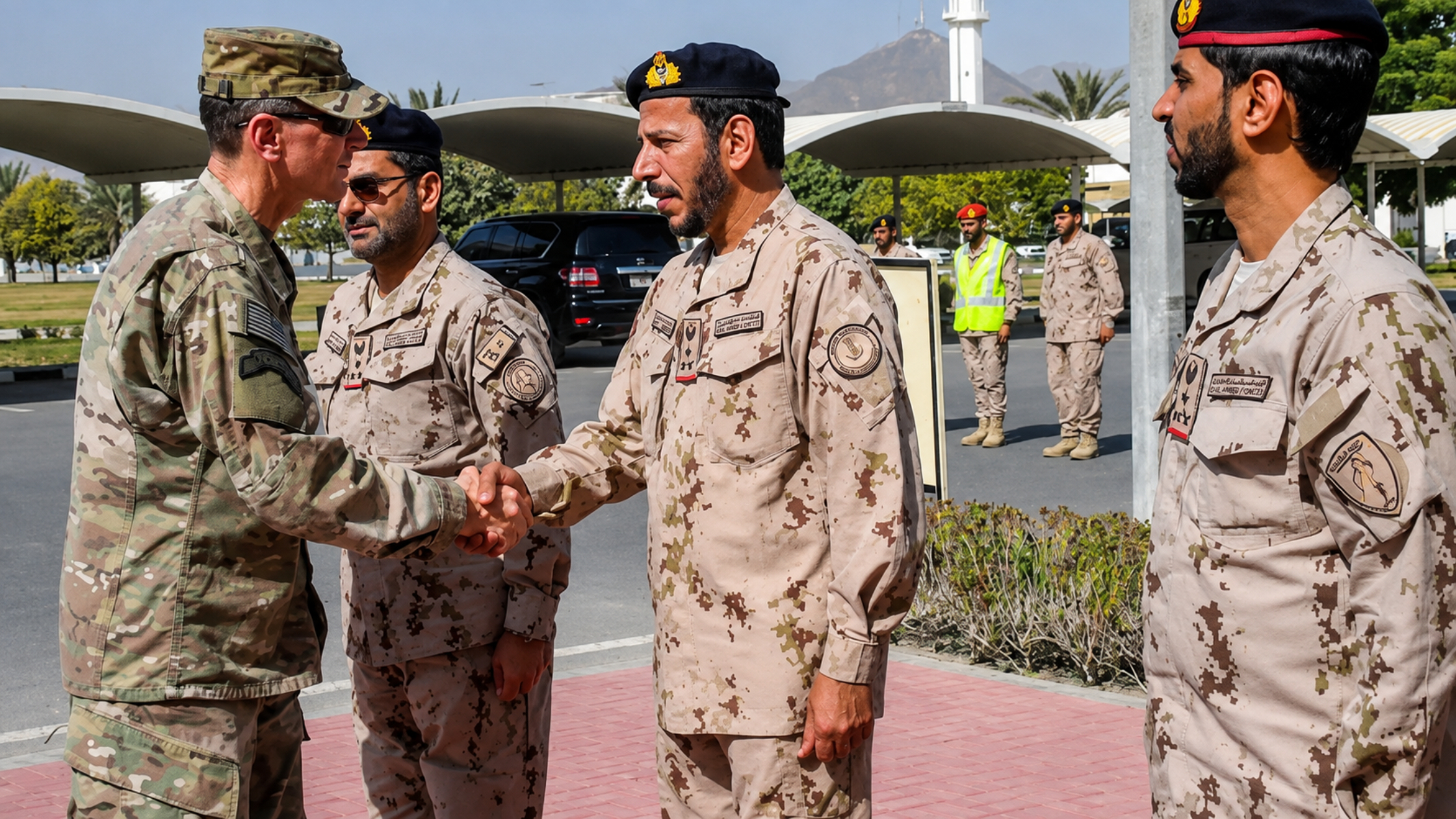
The initiative builds on discussions that began last year between Cooper and UAE National Security Adviser Sheikh Tahnoon bin Zayed Al Nahyan. CENTCOM also held meetings with AI industry leaders and Emirati defense officials during a regional visit in June.
The broader relationship has expanded as both countries seek greater cooperation in emerging technologies. The UAE has developed major AI ambitions, while Washington is increasingly looking to trusted regional partners to accelerate adoption of advanced technologies.
US Seeks Faster Military AI Development
The creation of Talon Synapse comes as militaries increasingly view AI as a tool for faster intelligence analysis, data processing, cybersecurity, and operational decision support. The U.S. has already experimented with AI and autonomous systems through other CENTCOM initiatives.
However, closer AI cooperation also raises questions about data sharing, cybersecurity, and the protection of sensitive military information. Analysts have questioned what classified information could be shared between the two countries and how the relatively small 20-person task force will translate its work into operational capabilities.
Author: Kevin Macmellon