Boeing Wins $14.7 Billion Contract to Expand Patriot PAC-3 MSE Production
Reuters reported that Boeing has received a seven-year contract worth approximately $14.7 billion from Lockheed Martin to expand production and supply seekers for the Patriot PAC-3 Missile Segment Enhancement (MSE) interceptor. The agreement is intended to significantly increase production capacity for a critical component of the U.S. and allied air-defense system. Reuters
Boeing to Triple PAC-3 MSE Seeker Production
The contract will allow Boeing to triple production of PAC-3 MSE seekers, the guidance component installed in the interceptor. The seeker helps the missile identify and track its target during an engagement. Reuters
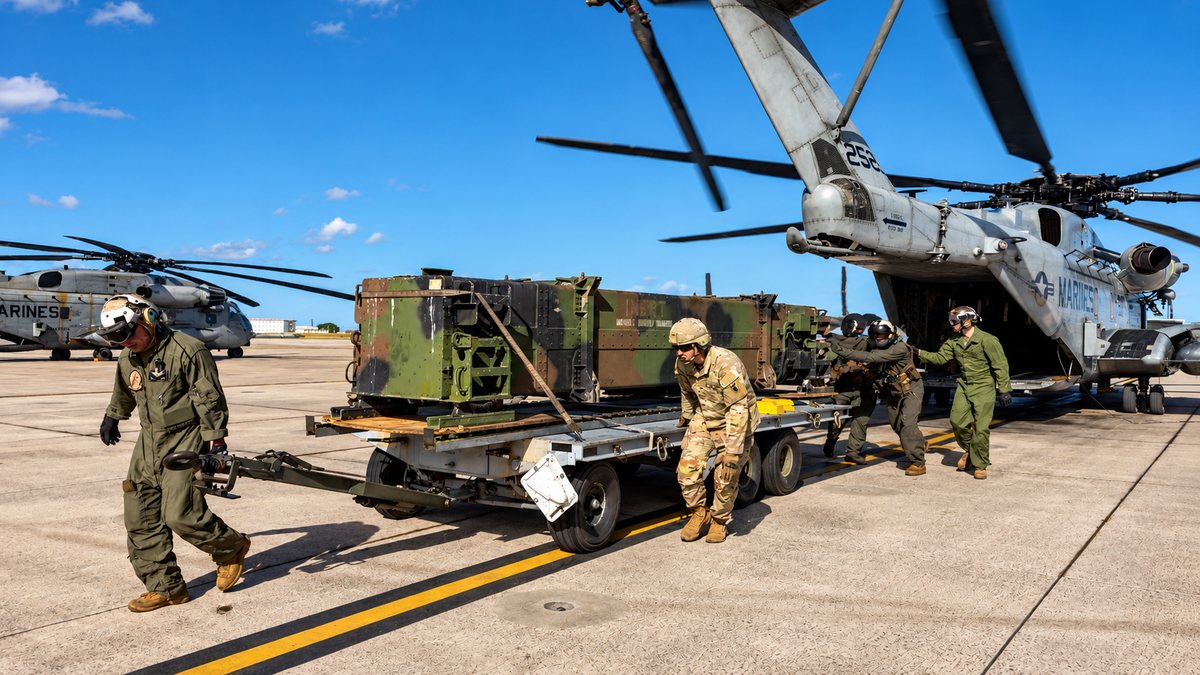
Boeing said production expansion and hiring had already begun earlier this year following a broader seven-year framework agreement. The company has also invested in expanding and modernizing its seeker manufacturing facilities in Huntsville, Alabama. MediaRoom
PAC-3 MSE Is a Key Patriot Interceptor
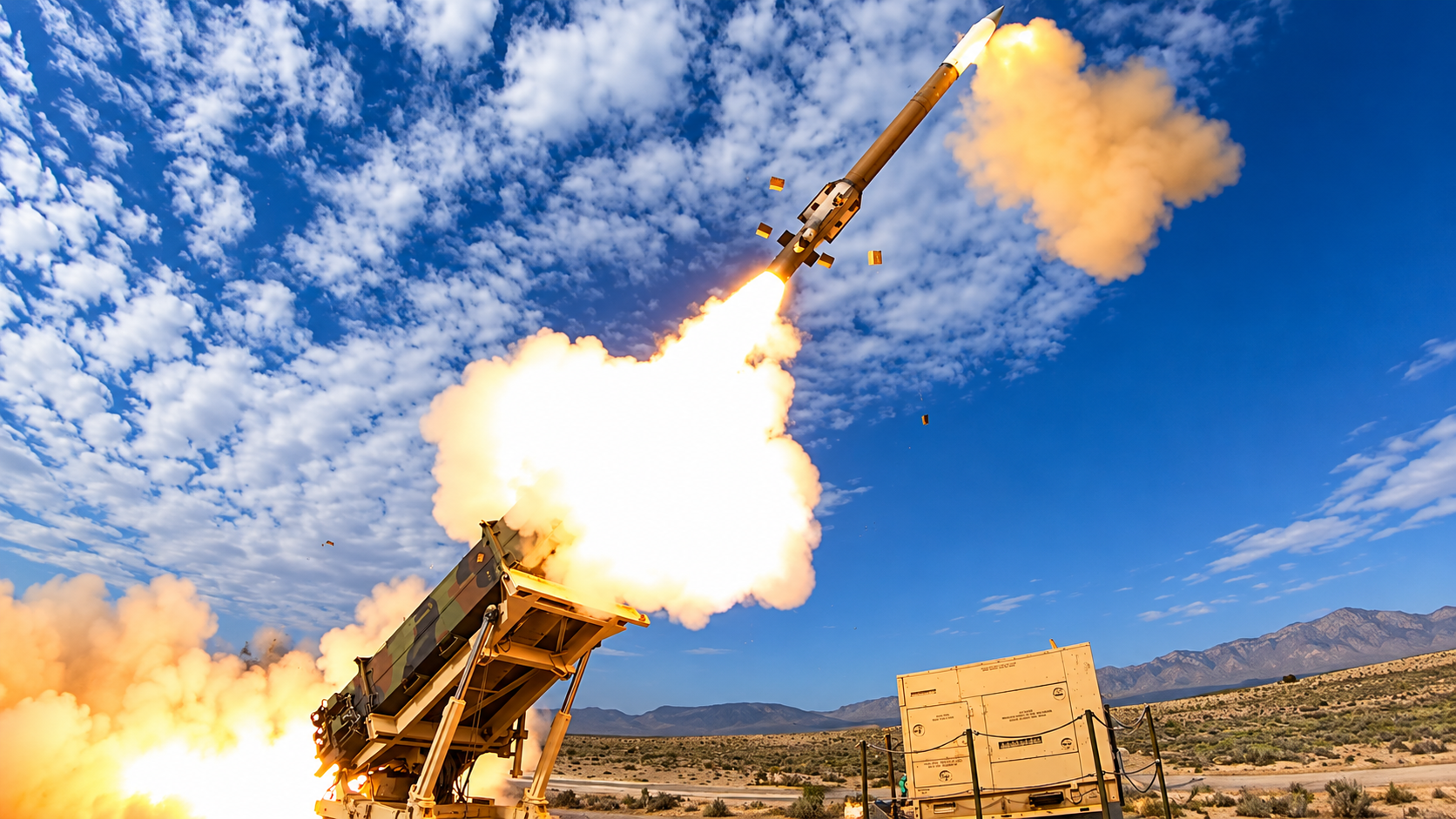
The PAC-3 MSE is a hit-to-kill interceptor used by the Patriot air-defense system. Unlike a conventional warhead-based interceptor, the PAC-3 family is designed to destroy incoming threats through direct impact.
The U.S. Army describes the PAC-3 MSE as part of its layered air and missile defense architecture and says the interceptor is designed to counter tactical ballistic missiles, cruise missiles and aircraft. www.army.mil
The MSE variant provides improvements in range, altitude and overall performance compared with earlier PAC-3 versions, making it an important component of modern Patriot batteries.
Production Capacity Is Being Expanded
The Boeing agreement is part of a broader effort to increase production of PAC-3 interceptors. In January, Lockheed Martin announced a seven-year framework agreement with the U.S. Department of War aimed at increasing annual PAC-3 production capacity from roughly 600 missiles to as many as 2,000 per year. Yahoo Finance
The expansion comes as demand for advanced air-defense interceptors has increased. Patriot systems and PAC-3 missiles have been supplied to the United States and allied countries, while recent conflicts have demonstrated the importance of maintaining adequate interceptor inventories.
The $14.7 Billion Agreement Is Not Fully Definitized
Although the agreement is valued at approximately $14.7 billion, it is an undefinitized contract action, meaning the final terms have not yet been completely negotiated.
This distinction is important when describing the value. The $14.7 billion figure represents the announced value of the contract action rather than necessarily being an immediately paid amount.
Reuters also reported that industry executives have warned Congress has not yet appropriated funding for some of the broader production agreements, potentially affecting how quickly companies can make large-scale investments in additional capacity. Yahoo Finance
Boeing Expands the U.S. Missile Supply Chain
Boeing's role focuses on the seeker rather than production of the entire PAC-3 MSE missile. The seeker is one of several critical components required to produce the complete interceptor.
Boeing said its expansion includes investments in manufacturing facilities, supplier relationships and production processes. The company expects the expansion to create hundreds of direct and indirect jobs in the Huntsville area. MediaRoom
Why the Contract Matters
The agreement reflects a broader effort by the United States to increase domestic production capacity for air-defense weapons. Expanding production of both complete interceptors and critical components can reduce manufacturing bottlenecks and make it easier to replenish inventories.
For Patriot operators, increased PAC-3 MSE production could eventually provide greater access to interceptors used against ballistic missiles, cruise missiles and aircraft.
The contract therefore represents not only a major industrial investment for Boeing, but also another step in the wider expansion of the U.S. missile-defense supply chain.
Author: Kevin Macmellon