Boeing E-3 Sentry AWACS: The Flying Radar That Gives Air Forces Eyes Across the Battlefield
The Airborne Early Warning Platform
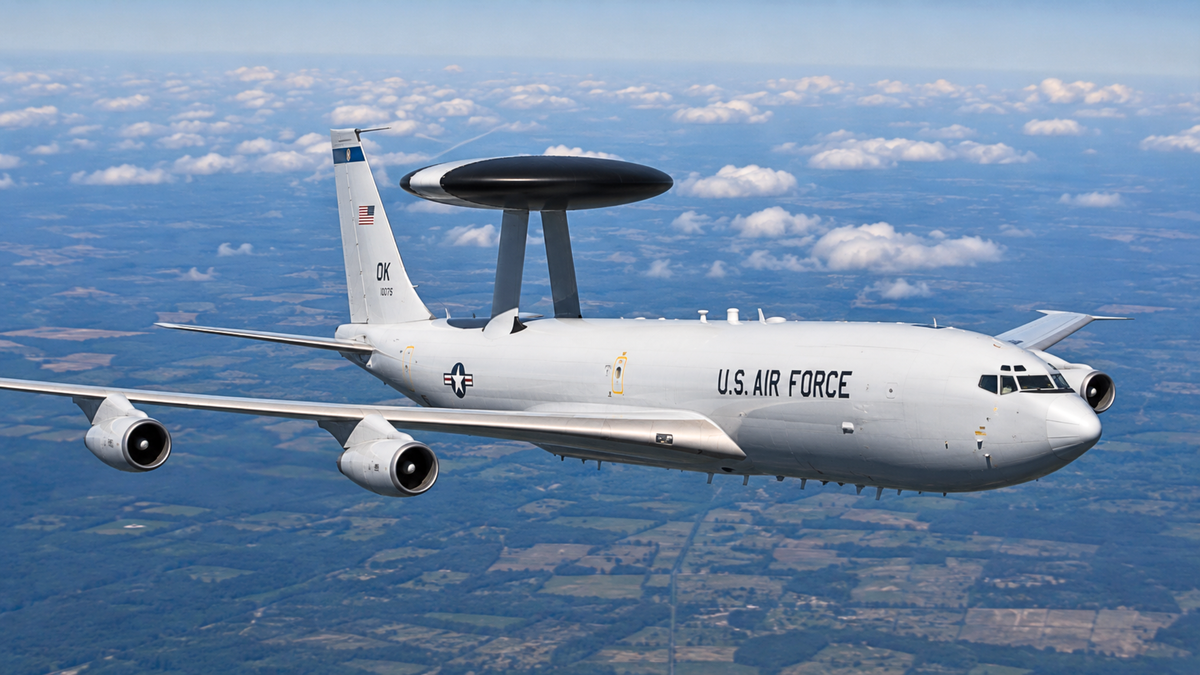
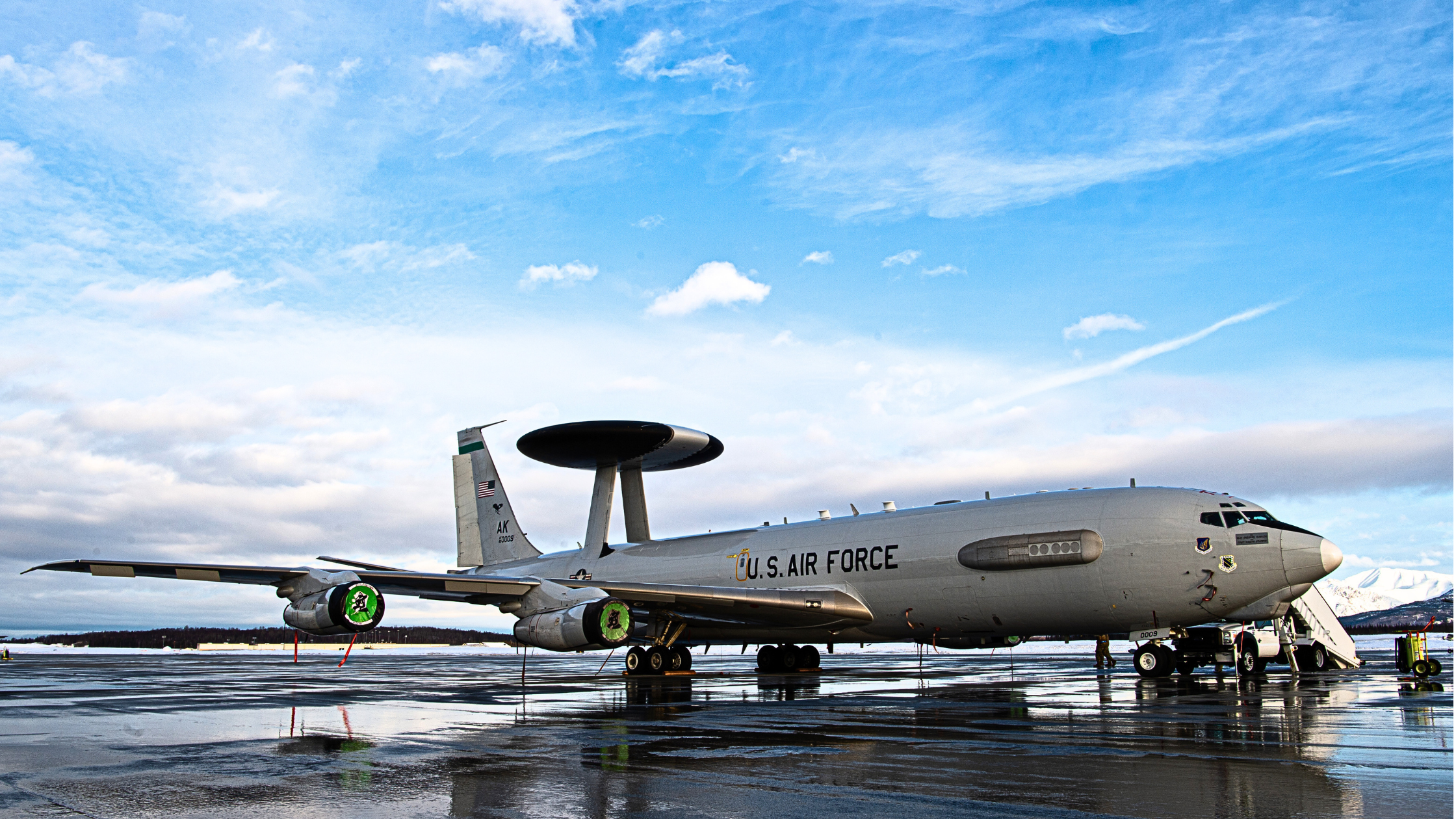
The Boeing E-3 Sentry Airborne Warning and Control System (AWACS) is one of the world's most recognizable military aircraft, serving as an airborne command center that provides long-range radar surveillance, air battle management, and command-and-control capabilities. Developed by Boeing for the U.S. Air Force, the E-3 is based on the Boeing 707 airframe and is easily identified by its large rotating radar dome mounted above the fuselage.
For decades, the aircraft has played a critical role in monitoring airspace, detecting aircraft and missile threats, coordinating friendly forces, and directing combat operations. The E-3 has supported missions ranging from homeland defense and NATO operations to humanitarian assistance and coalition military campaigns around the world.
Advanced Radar for Long-Range Surveillance
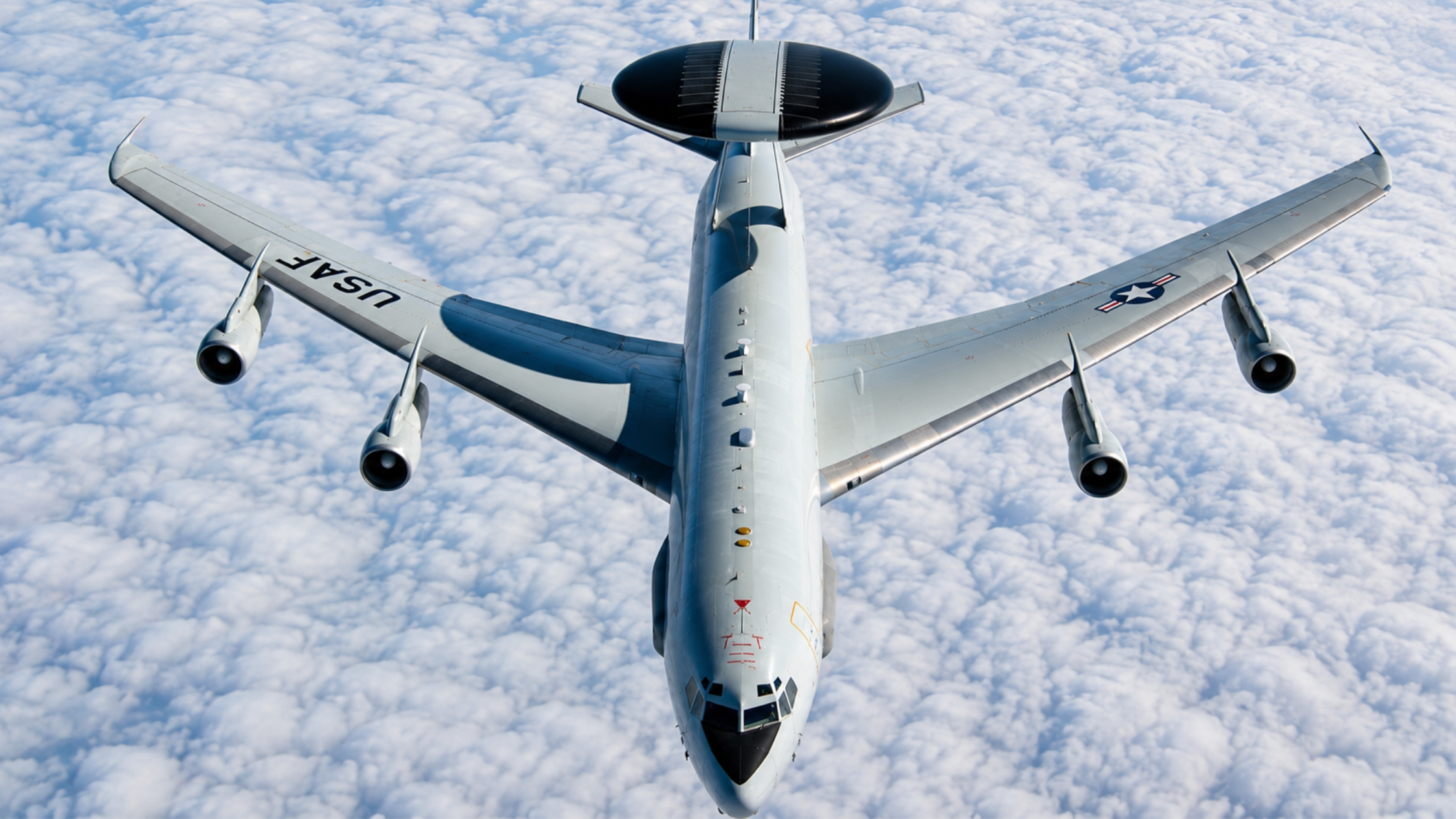
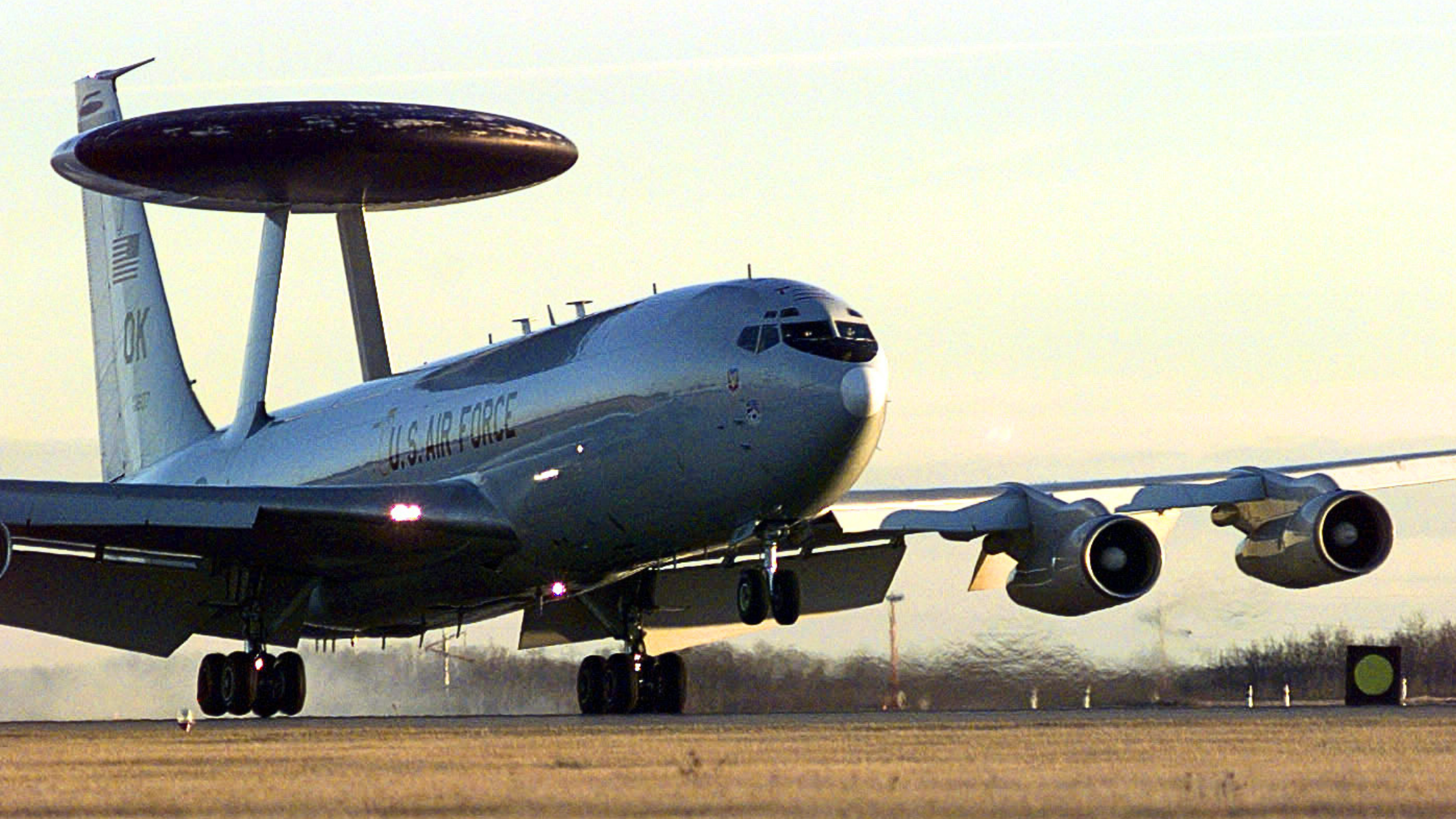
The defining feature of the E-3 Sentry is its 30-foot (9.1-meter) rotating radar dome, which houses a powerful pulse-Doppler radar capable of providing 360-degree surveillance over vast areas. Operating at high altitude, the aircraft can detect and track hundreds of airborne targets simultaneously while monitoring friendly aircraft and identifying potential threats.
Unlike ground-based radar systems, the E-3's elevated position allows it to detect low-flying aircraft and cruise missiles at much greater distances, improving early warning and reducing radar blind spots caused by terrain or the Earth's curvature.
Command and Control in the Sky
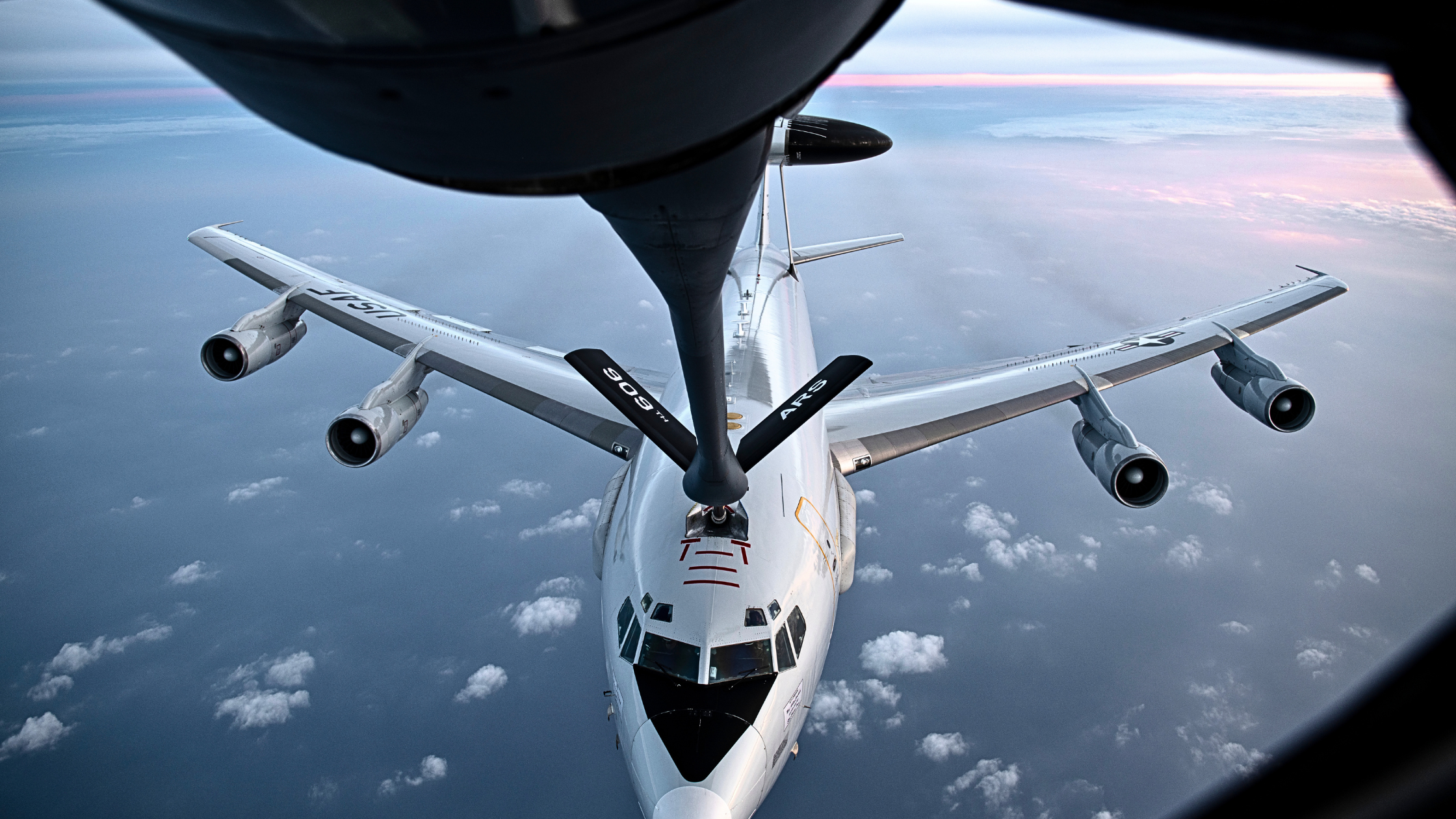
Beyond surveillance, the E-3 serves as a flying command-and-control center. Its onboard mission crew analyzes radar data, identifies airborne threats, coordinates fighter aircraft, and shares real-time intelligence with commanders on the ground, at sea, and in the air.
The aircraft acts as the central hub for complex air operations by managing intercept missions, coordinating aerial refueling, directing combat air patrols, and supporting joint operations involving allied forces. This capability enables commanders to maintain situational awareness while making rapid decisions during high-intensity operations.
Supporting Global Military Operations
The E-3 Sentry has participated in numerous military operations since entering service in the late 1970s. It has supported Operation Desert Storm, operations in the Balkans, Afghanistan, Iraq, NATO air policing missions, and homeland defense operations. The aircraft also plays an important role during multinational military exercises, helping integrate air forces from allied nations.
In addition to combat missions, the E-3 has been used for disaster response, search-and-rescue coordination, maritime surveillance, and monitoring restricted airspace during major international events.
Modernization and the Future of Airborne Battle Management
Although the E-3 Sentry remains one of the world's most capable airborne early warning platforms, several operators are gradually transitioning to newer systems with advanced digital sensors and networking capabilities. The U.S. Air Force is replacing its E-3 fleet with the Boeing E-7 Wedgetail, which features a modern electronically scanned radar, improved communications, and enhanced battle management systems.
Author: Kevin Macmellon