BAE Systems Delivers Two AMPV 30 Armored Vehicles to U.S. Army After Self-Funded Development
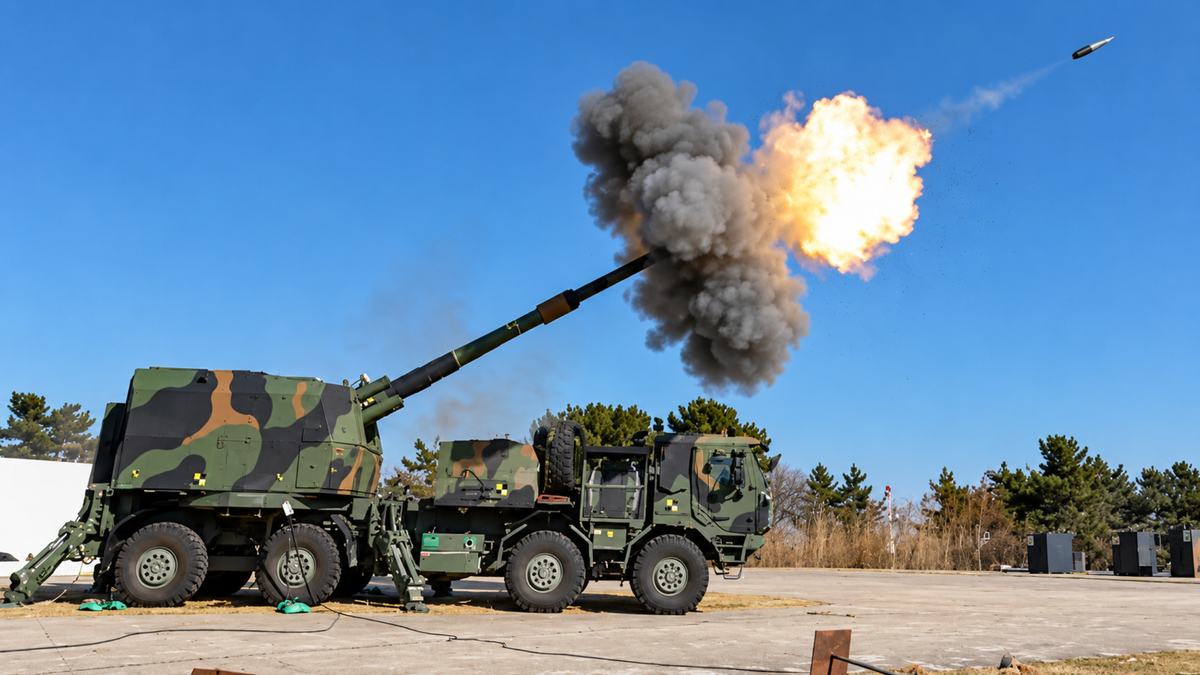
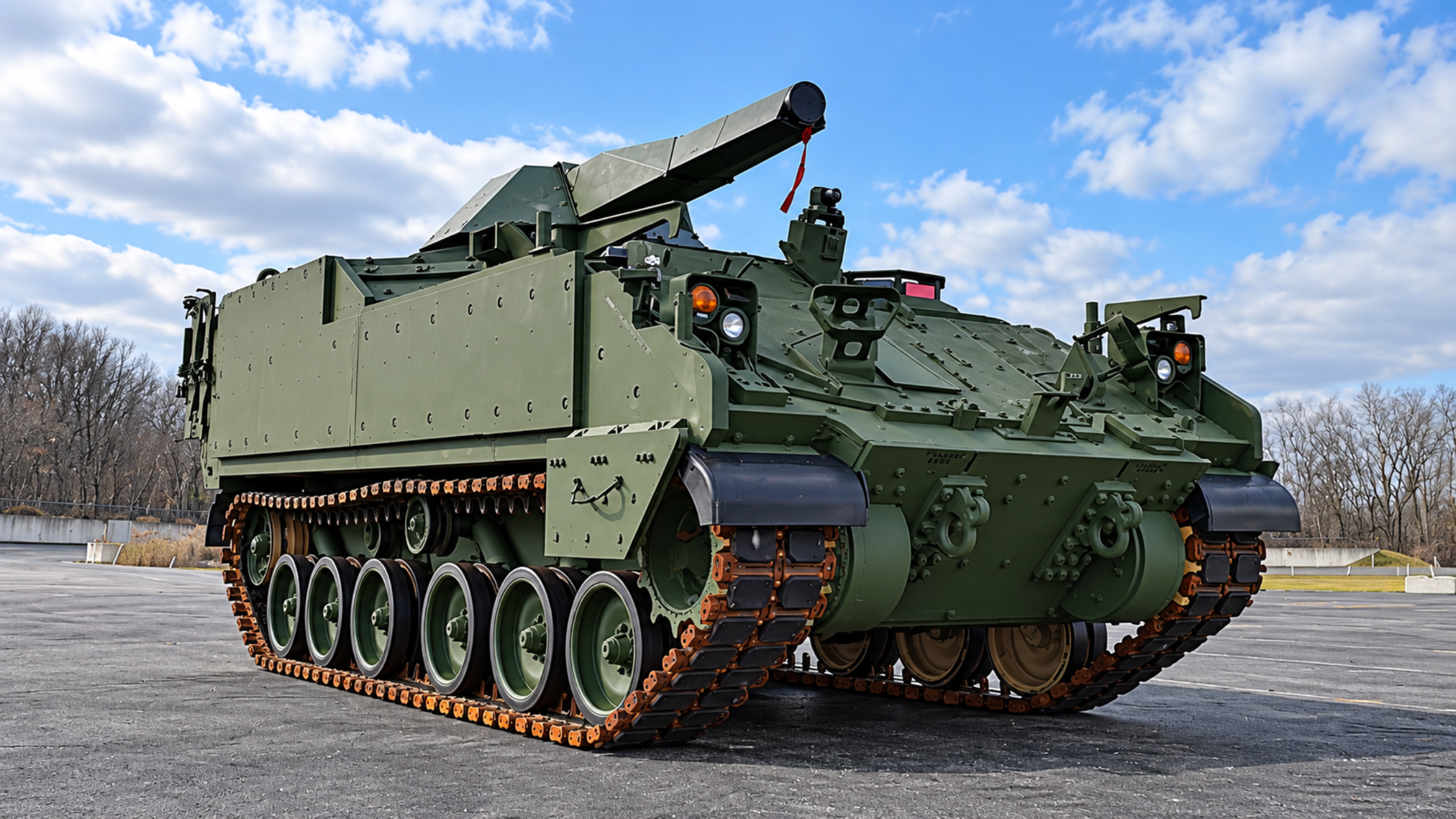
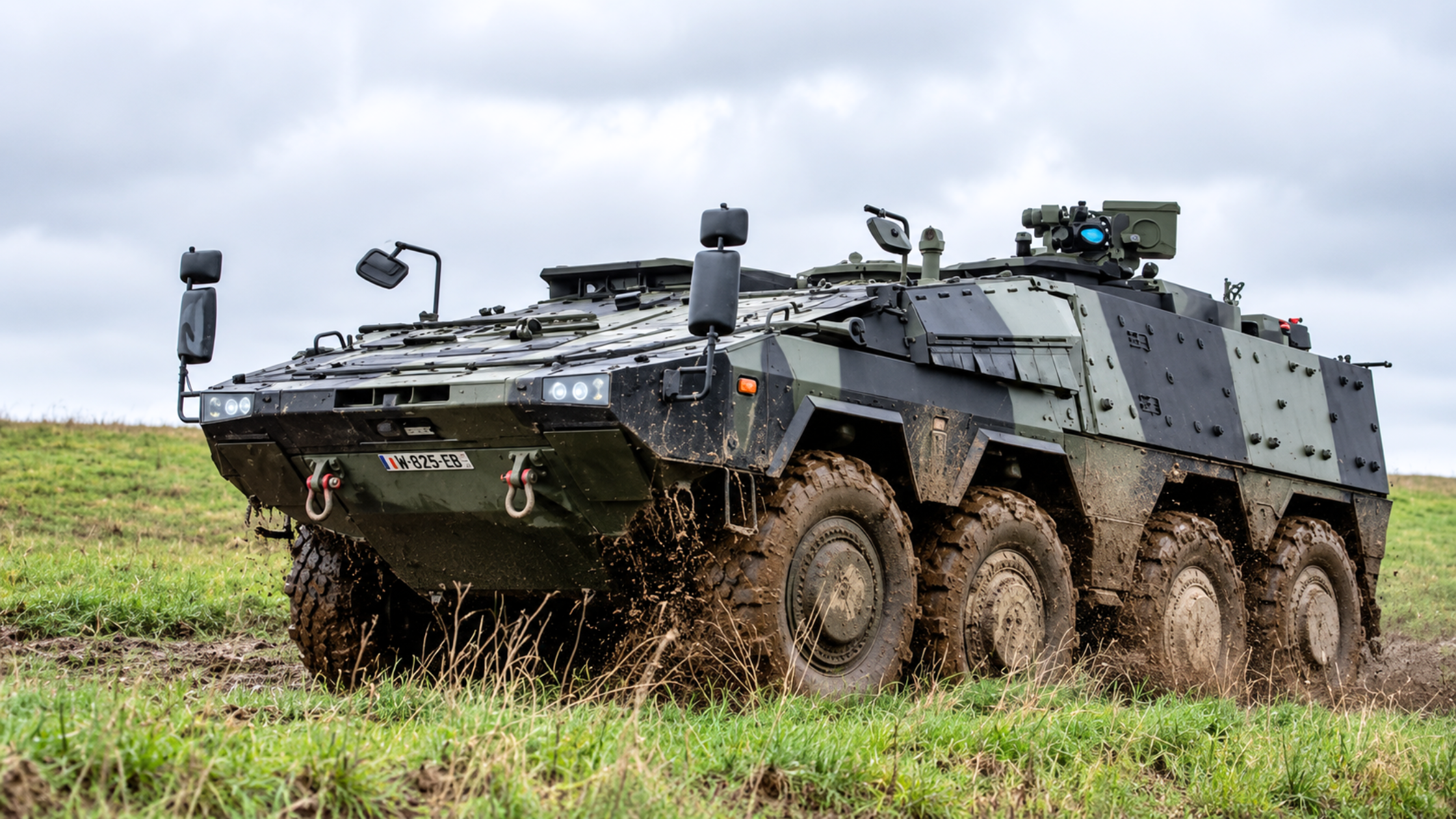
BAE Systems has delivered two AMPV 30 armored vehicles to the U.S. Army after developing the prototypes through $17 million in internal research and development funding. The company completed the project in roughly six months, using the existing Armored Multi-Purpose Vehicle chassis as the foundation.
The vehicles were delivered in April to the Army’s 1st Cavalry Division at Fort Hood, Texas, where they have since undergone field evaluations, including live-fire testing, as part of the Army’s Transformation in Contact 2.0 initiative.
A 30mm Turret Adds New Firepower
The AMPV 30 replaces the standard turretless configuration with a Kongsberg Medium Caliber Turret (MCT-30) equipped with a 30mm automatic cannon. The turret is remotely operated and provides the vehicle with additional direct-fire capability against ground targets and other threats.
BAE Systems has also integrated counter-unmanned aircraft capabilities, including onboard radar and electro-optical/infrared sensors designed to detect and track drones. Soldiers can engage detected threats using the 30mm cannon or a secondary 7.62mm coaxial machine gun.
Army Did Not Formally Request the Vehicle
Despite the vehicles being evaluated by an Army unit, the AMPV 30 was not developed in response to a formal Army requirement. DefenseScoop reported that BAE Systems initiated and funded the project itself, while the Army has not formally requested or endorsed the configuration as an acquisition program.
Earlier reporting also clarified that the Army did not procure the two vehicles and currently has no stated requirement to purchase the AMPV 30 variant. Their role is to provide an opportunity for soldiers to evaluate the technology and its potential battlefield applications.
Designed for the Modern Drone Battlefield
BAE Systems says the AMPV 30 incorporates a 360-degree situational-awareness camera system, counter-drone technology, and a cross-platform target handoff capability designed to allow vehicles to share information about detected targets.
The vehicle's modular architecture is also intended to accommodate different mission equipment and turret configurations. BAE says its common top plate can support more than 30 different turret systems, allowing the AMPV chassis to be adapted for different battlefield roles.
Testing Comes as the Army Expands Counter-Drone Capabilities
The AMPV 30 evaluation comes as the Army examines how armored formations can respond to the growing use of drones on modern battlefields. Army armored-unit leaders have acknowledged continuing gaps in organic counter-UAS capabilities, making drone detection and defeat an increasingly important consideration for heavy formations.
For now, the AMPV 30 remains a company-funded prototype under Army evaluation rather than an Army procurement program. Its testing will give soldiers and Army officials an opportunity to assess how the combination of a 30mm cannon, sensors, and counter-drone systems performs in realistic field conditions.
Author: Kevin Macmellon