AIM-120 AMRAAM: Inside the U.S. Advanced Medium-Range Air-to-Air Missile Combat
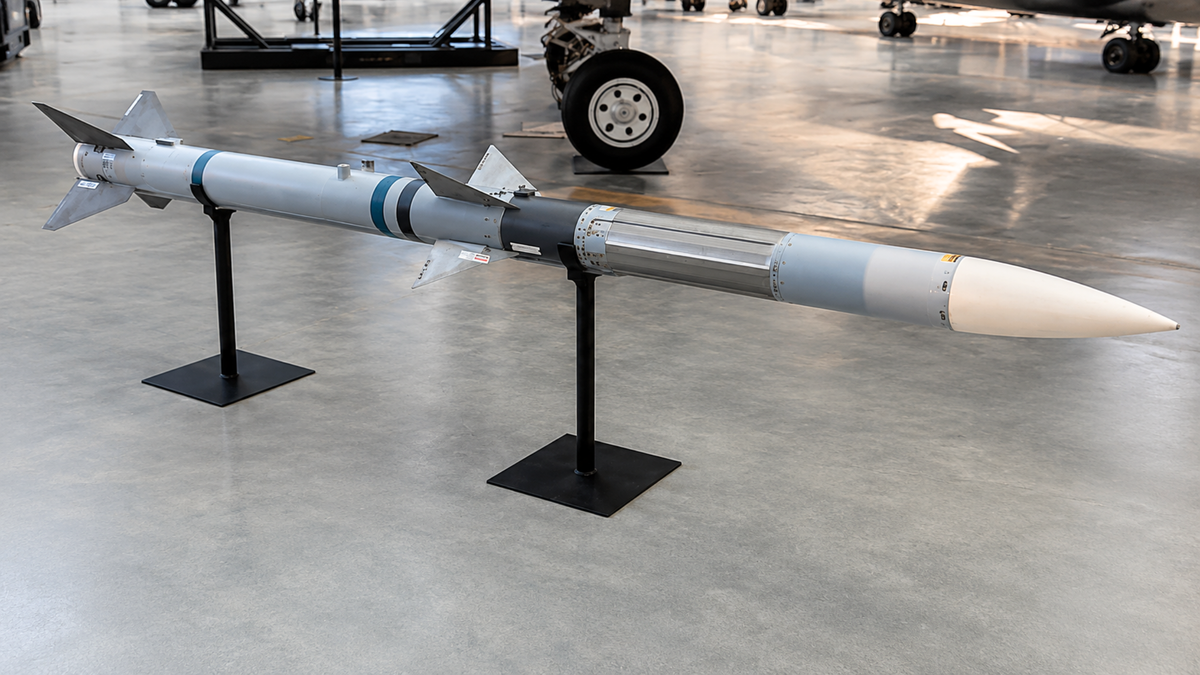
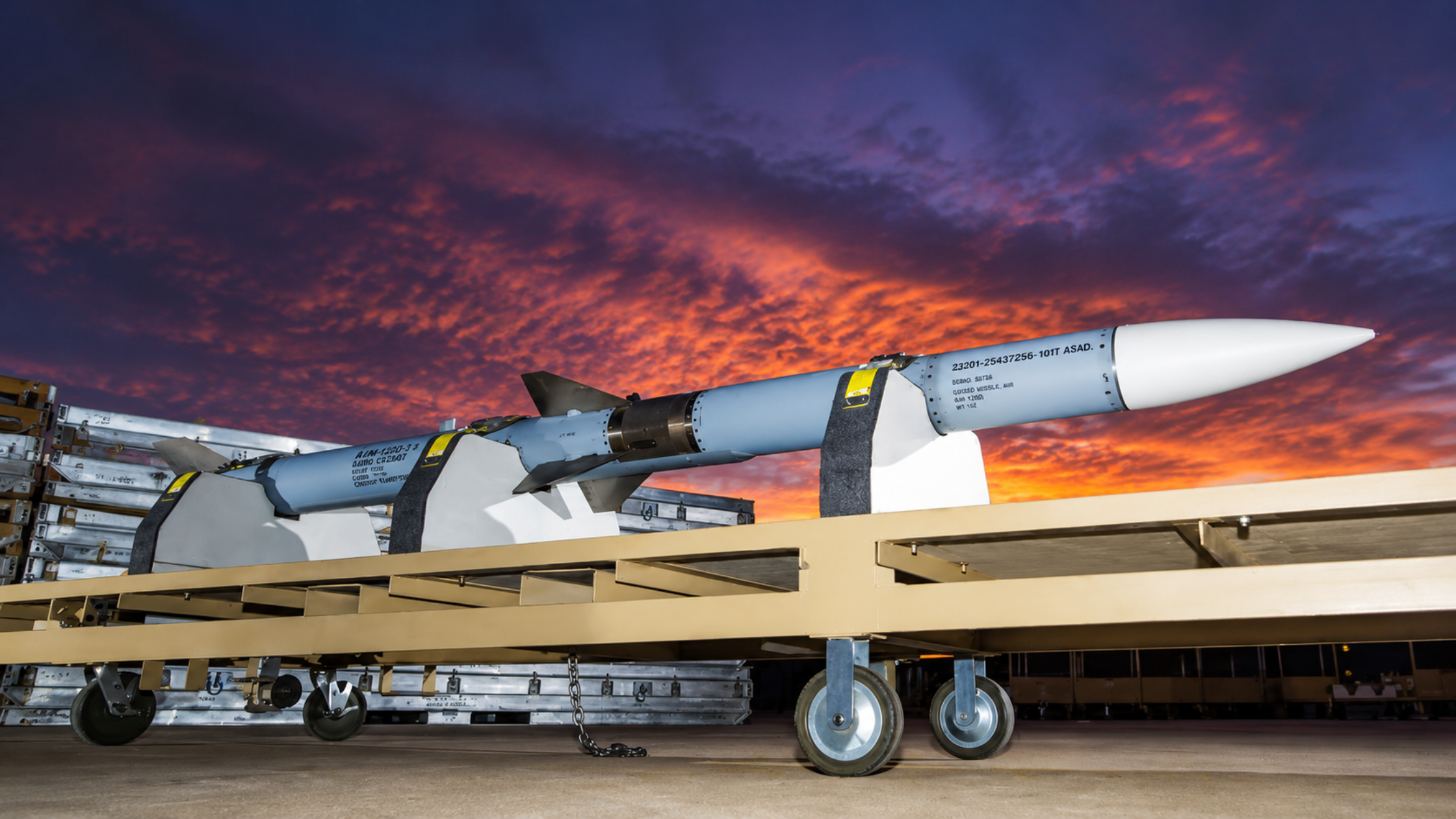
The AIM-120 Advanced Medium-Range Air-to-Air Missile (AMRAAM) is a radar-guided missile designed to engage enemy aircraft beyond visual range. It entered U.S. service in 1991 and was developed as a successor to the AIM-7 Sparrow, giving fighter aircraft a more capable “fire-and-forget” weapon.
Unlike older semi-active radar-guided missiles that require continuous illumination from the launching aircraft, AMRAAM uses inertial guidance, midcourse updates, and an onboard active radar seeker for the terminal phase. This allows the launching fighter to maneuver or engage other targets after launch.
AIM-120D Represents the Latest Generation
The AIM-120D-3, developed through the AMRAAM Form, Fit, Function Refresh program, adds updated hardware and software. Testing has included long-range shots from F-22 and F/A-18 aircraft, with Raytheon reporting successful demonstrations of extended time-of-flight performance.
Used by F-15, F-16, F-22 and F-35
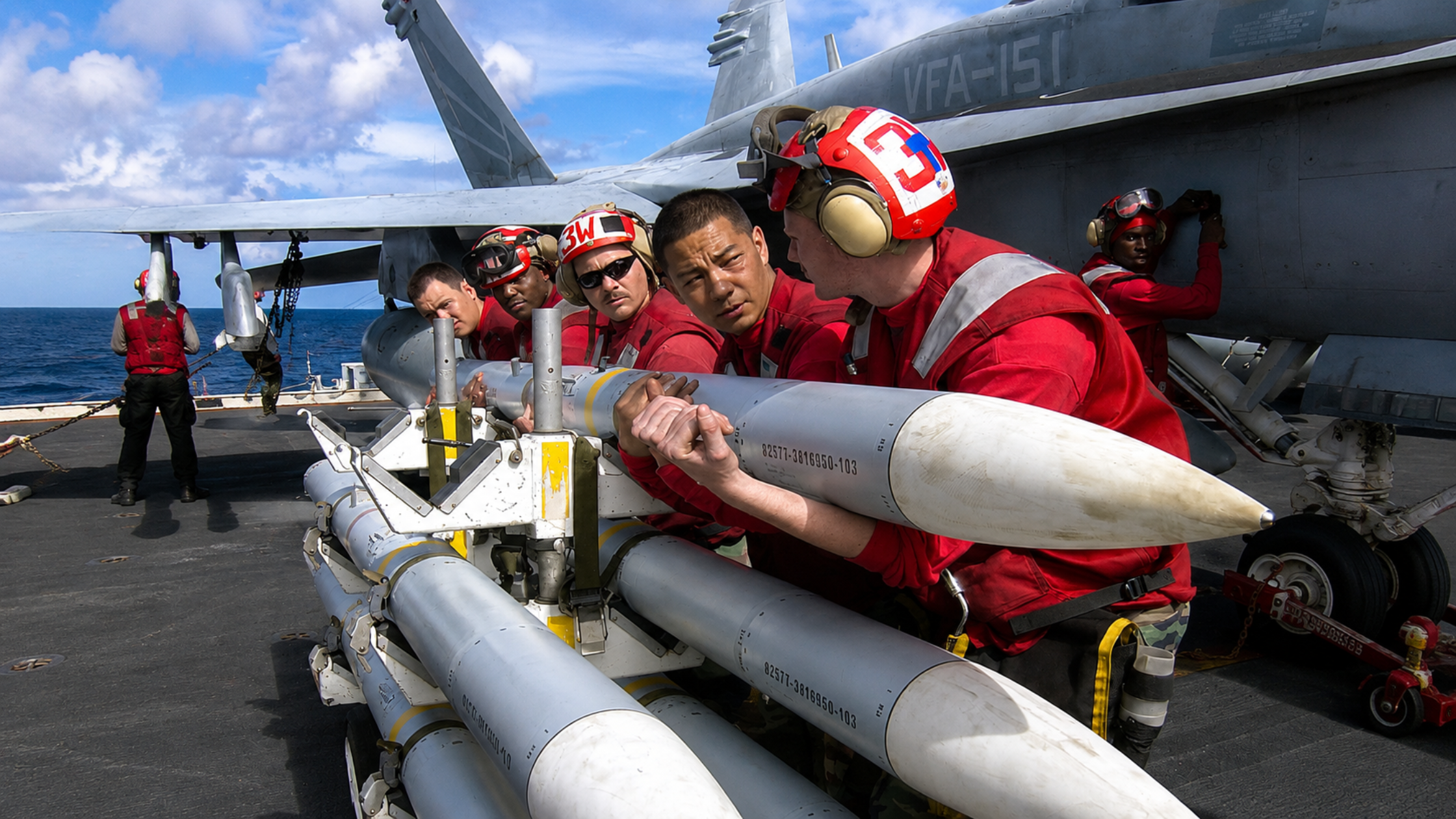
AMRAAM is integrated with many of the U.S. military's major fighter aircraft, including the F-15, F-16, F/A-18, F-22, and F-35. Its compatibility with different aircraft has also made it a major weapon for U.S. allies.
Raytheon says AMRAAM has been integrated onto 14 aircraft platforms in 43 countries, making it one of the most widely deployed modern radar-guided air-to-air missiles. The weapon is also operational on all variants of the F-35.
Active Radar Gives AMRAAM Its Advantage
After launch, AMRAAM can initially use inertial navigation and receive updated target information through a datalink. As it approaches the target, its onboard active radar takes over the terminal engagement, allowing the missile to independently track the target.
This capability gives pilots greater flexibility during an engagement. Rather than remaining locked onto a target throughout the entire flight, the launching aircraft can continue maneuvering or perform other tasks while the missile guides itself toward the target.
AMRAAM Is Also Used on NASAMS
Raytheon also produces AMRAAM-ER, which uses a larger rocket motor and optimized flight-control systems to extend the missile's range and altitude capability. This gives operators another option for defending against airborne threats from the ground.
Production Is Expanding
In 2025, the U.S. Department of Defense awarded Raytheon a not-to-exceed $3.5 billion contract covering AMRAAM production Lots 39 and 40, including missiles, telemetry systems, spares, and engineering support.
In February 2026, Raytheon announced agreements intended to accelerate production of several critical missile systems, including AMRAAM. The company said annual AMRAAM production is planned to increase to more than 1,900 missiles per year, reflecting growing demand for air-to-air weapons.
Core Weapon of Modern Air Warfare
The development of the AIM-120D-3 and expansion of production show that the missile is expected to remain important as air forces prepare for increasingly contested environments. Rather than being replaced immediately, AMRAAM is being upgraded to keep pace with new aircraft, electronic warfare threats, and longer-range air combat.
Author: Kevin Macmellon